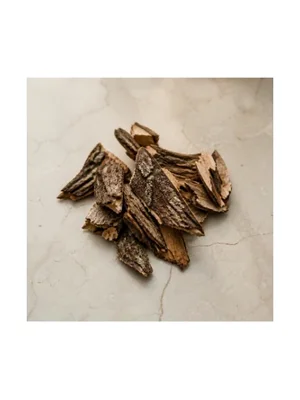
Liquidambar
Note Profile
About
A rich sweet-balsamic resin with a cinnamon spine, faint florals and a leathery, animalic base.
Scent Profile
Amber_resinous is the dominant facet and the one thing every source agrees on: rich, sweet, balsamic, incense-like, corroborated from Eden Botanicals through Hermitage to Grieve's herbal a century earlier. Warm_spice is next and is close to structural, because cinnamic and cinnamyl alcohol are the principal constituents. It reads as cinnamon bark and cassia, and it is what makes storax and cinnamon smell like kin. Leather is real but belongs to the resin forms only: the resinoid is called the most leathery of the three styrax types, and the low-styrene absolute is described as leathery and castoreum-like. Floral is faint but persistent and is why the material is used in lilac and mimosa work, with freesia and genet also named. Sweet_vanillic is the syrupy sweetness, held back from higher because one supplier says outright that the vanilla nuance often attributed to this material 'is not present'. Animalic runs under the resin forms as castoreum and a musky funk. Honeyed is the sticky-sweet quality of the essential oil. Smoky is the incense-rich edge of the resinoid. Below, creamy_woody carries a buttery softness, dry_woody the woody base that Premiere Peau and the Fragrantica grouping both point at, powdery the powdered-cinnamon dustiness, and mineral the styrene topnote that fresh material carries, gasoline-like or metallic, which mellows away and is not part of the note in use.
ScentWheel
Read off the wheel, not a label applied to the note.
Origin
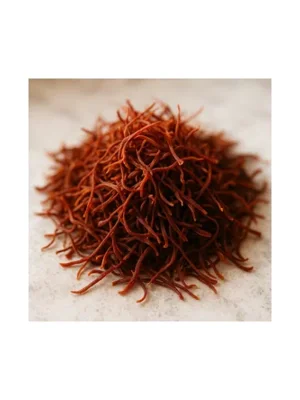
The balsam of the Liquidambar tree. Bark is stripped and the sapwood cut, and the crude oozes out and is collected. Liquidambar orientalis gives Levant or Asian storax, the material most of the trade evidence here describes. Liquidambar styraciflua, American sweetgum, gives a different one, and one trade reviewer is explicit that the three commercial styrax types 'each smells different'. The crude is worked up into a resinoid, an absolute, or steam-distilled to an essential oil, and those three do not smell alike.
Usage in Perfumery
A base note used as a modifier rather than a lead, as Eden Botanicals puts it, 'as a component of a composition, rather than on its own'. It builds floral accords, lilac, hyacinth, apple blossom, carnation, mimosa, violet and hawthorn, and it gives sweetness and tenacity to lavender and fougere bases. The resin forms are used in oriental, gourmand, amber and leather bases. 27 Fragrantica placements and 15 Parfumo placements across 13 brands.
Similar Notes
Perfumes featuring Liquidambar
A selection of reviewed perfumes where Liquidambar appears prominently.
No perfumes featuring this note have been reviewed yet. Check back soon.