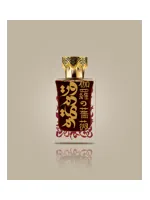

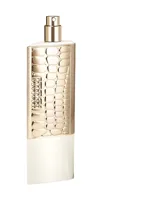
Swarovski Edition
EDT · 2012
Swarovski
Favourite
Note Profile
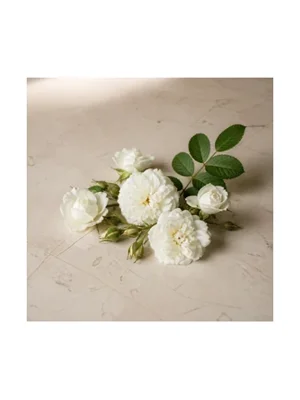
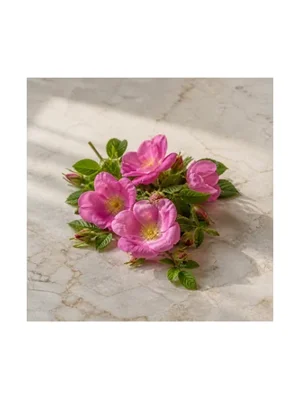
Hamanasu is Rosa rugosa, the wild rose that grows on cold northern beaches in Japan. The note is a rose with salt and green leaf in it, rougher and less sweet than a cultivated rose.
Rose Japanese, hamanasu, is a wild rose floral, rougher and less sweet than a cultivated rose. A mineral, salt-weathered edge sets it apart, cold and coastal rather than fishy. A rough, leafy green harshness runs through it, next to a distinct clove-like warm spice. A briny sea air carries the whole thing, less honeyed than a damask rose.
Read off the wheel, not a label applied to the note.
Tap a perfume to see where Rose Japanese (Hamanasu) sits in it. The rest of the picture goes grey
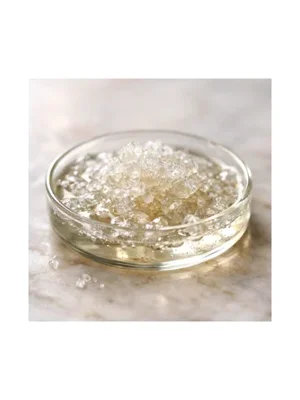
Perfumers can build Rose Japanese (Hamanasu) from materials such as:
Smell words come from published sources.
Allergens perfumes with this note can list: Citronellol, Geraniol
A given perfume with this note may use some of these, or something else, and may or may not contain the allergens above.
Rosa rugosa is native to eastern Asia, in northeastern China, Japan, Korea and southeastern Siberia, and Wikipedia records that it 'grows on the coast, often on sand dunes'. Hamanasu is its Japanese name. Premiere Peau ties the note's mineral-salty character directly to that dune habitat rather than to any processing step. Thirteen Fragrantica entries list it. Parfumo does not.
Used for a wild, maritime rose rather than a perfumed one. It gives a rose accord a green edge and a salt-air lift, which suits coastal and cold-air themes where a damask rose would read too rich.
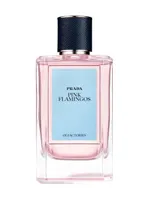
A selection of reviewed perfumes where Rose Japanese (Hamanasu) appears prominently.
New finds, honest verdicts, and price drops.
No spam. Unsubscribe anytime. See our privacy policy.