Silk Tree Blossom names no single substance
ReconstructedAlbizia is not extracted.
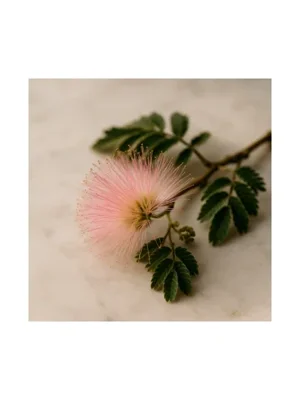
Note Profile
Silk Tree Flower
Silk tree blossom is the fragrant flower of Albizia julibrissin, often called the Persian silk tree. In perfumery it appears as a delicate, airy floral note with soft fruitiness and a subtle powdery veil, distinct from the better known yellow mimosa. Perfumers use it to evoke a light, pink, pompom-like floral character with gentle sweetness.
Silk tree blossom has a **delicate sweet floral** odor with **subtle fruity tones** reminiscent of apricot or light stone fruits and a faint powdery nuance. Its character is airy and luminous rather than dense, with a soft, petal-like impression that can suggest aspects of mimosa, acacia, and light rose. In compositions it tends to sit in the heart, adding a fluffy, pink-floral halo and a mild, nectar-like sweetness that remains understated rather than opulently heady.
Read off the wheel, not a label applied to the note.
Tap a perfume to see where Silk Tree Blossom sits in it. The rest of the picture goes grey
Albizia is not extracted.
The note comes from the flowers of **Albizia julibrissin**, commonly known as the silk tree or Persian silk tree, a leguminous ornamental tree native to Asia and now grown widely in temperate regions. In nature, its blossoms are pink, filamentous pompons that produce a honeyed, nectarous fragrance attractive to insects and birds, though they are not commonly harvested commercially for essential oil. In perfumery, silk tree blossom is typically represented through accords and synthetic materials designed to reproduce its fruity-floral, slightly powdery scent, often informed by the odor of living flowers rather than a standardized natural extract.
Perfumers primarily use silk tree blossom as a **heart note** to lend an ethereal, modern floral signature with gentle sweetness and a soft, powdery overlay. It pairs well with other transparent florals such as jasmine, peony and rose, and with fruity notes like apricot and light citrus to emphasize its nectarous side, as seen in Jo Malone Silk Blossom and similar compositions. It also blends smoothly with musks, heliotrope, and soft woods or mosses in the base, where it can help create pastel floral chypres or luminous floral-musky fragrances without becoming heavy or indolic.
Perfumers known for using Silk Tree Blossom include
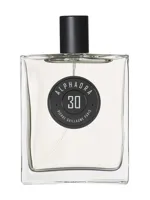
Pierre Guillaume
A selection of reviewed perfumes where Silk Tree Blossom appears prominently.
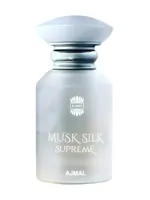
EDP · 2020
Ajmal
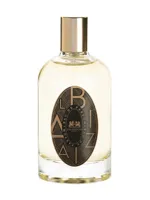
EDP · 2021
Phaedon Paris
EDP
Perfume Parlour
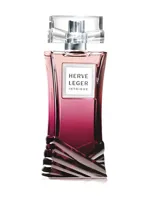
EDP · 2012
Avon
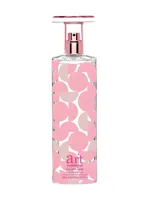
EDP · 2011
Masaki Matsushima
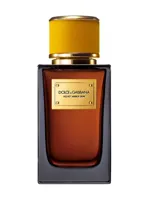
EDP · 2017
Dolce & Gabbana
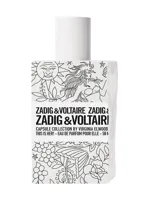
EDP · 2017
Zadig & Voltaire
EDP · 2021
Pierre Guillaume Paris
New finds, honest verdicts, and price drops.
No spam. Unsubscribe anytime. See our privacy policy.