Sumac names no single substance
ReconstructedA culinary spice, not extracted for perfumery.
Note Profile
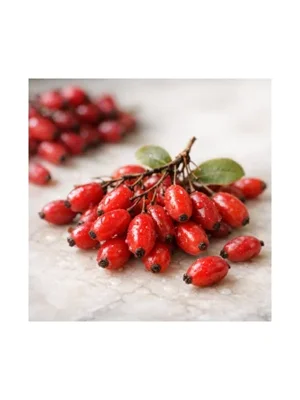
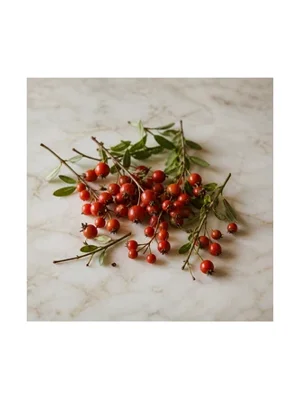
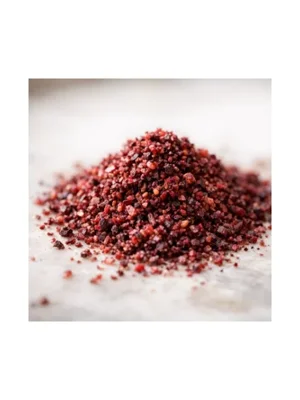
Sumac is made from the dried, ground berries of the Rhus genus, from the Mediterranean and Middle East. It is used as an infusion or tincture, as the oil is rarely made. It smells tart and lemony, with herbal and green touches over a faint wood. It is bright, crisp and slightly astringent, and mellows to a soft, earthy dryness. It is used in the top and heart.
Sumac has a tart, lemony aroma with subtle herbal and green facets, accompanied by a faintly woody undertone. Its scent is bright and slightly astringent, with a crisp freshness that can evoke both citrus and wild greenery. As it evolves, sumac maintains its tangy sharpness while mellowing into a soft, earthy dryness.
Read off the wheel, not a label applied to the note.
Tap a perfume to see where Sumac sits in it. The rest of the picture goes grey
A culinary spice, not extracted for perfumery.
Sumac is derived from the dried and ground berries of the Rhus genus, predominantly sourced from the Mediterranean and Middle Eastern regions. In perfumery, it is typically used as an infusion or tincture, as the essential oil is rarely produced due to low yield.
Perfumers employ sumac primarily in top and heart notes to introduce a lively, zesty brightness and herbal complexity. It blends well with citrus, green notes, aromatic herbs, and woody accords, enhancing freshness and adding a nuanced tartness to both masculine and unisex fragrances.
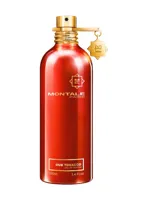
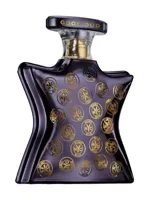
A selection of reviewed perfumes where Sumac appears prominently.
New finds, honest verdicts, and price drops.
No spam. Unsubscribe anytime. See our privacy policy.