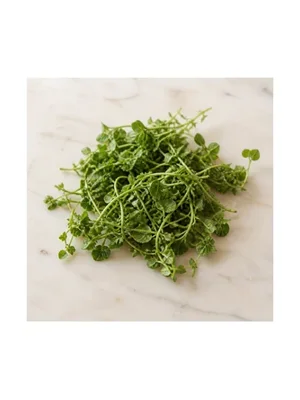
Watercress
Note Profile
About
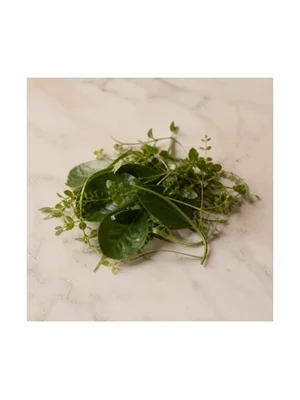
Watercress is the leaf of Nasturtium officinale, a peppery salad plant grown in running water. It smells green and sulphurous at the same time. A gas-chromatography study of its odorants puts cabbage-and-radish sulphur next to cut-grass green, with a peppery bite over the top and a faint honey sweetness underneath.
Scent Profile
Green leads and the analytical source names it three times: (Z)-3-hexen-1-ol reads "green, radishy" and 3-pentanone reads "green, grassy, floral" at high odour strength. Sulphurous is the other half of the identity, and it is a real facet here rather than a borrowed one: 1-penten-3-ol reads "cabbage, sulphury" at high intensity and the isothiocyanate reads "radish, gooseberry, sweet". Fresh_spice is the pepperiness, named directly from the finished-perfume side as "peppery water... crunchy green yet delicate clean and fresh". Honeyed is phenylacetaldehyde, listed as "honey-sweet" at high intensity, and it is the one facet that stops this reading as pure vegetable. Aquatic_ozonic carries the "cucumber" descriptor in the odorant list and the "peppery water" framing. Below the naming line: mineral for the wet-stone side of that same watery reading, earthy for the "potato" descriptor, floral and fruity for the "floral" and "gooseberry" tails on two odorants, aromatic_herbal, sour, aldehydic and powdery and clean_musk each, warm_spice. Beta-ionone's "soapy, fusty" has no clean home among the 32 and only reaches clean_musk rather than being forced somewhere larger.
ScentWheel
Read off the wheel, not a label applied to the note.
Origin
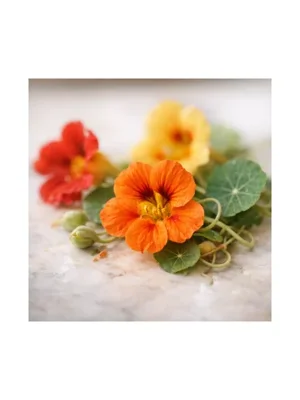
Nasturtium officinale, a Brassicaceae grown in shallow moving water across Europe, Asia and North America. Its smell comes from glucosinolates that break down to isothiocyanates when the leaf is crushed, the same chemistry as mustard, radish and wasabi. No supplier absolute or essential oil for watercress was found on Eden Botanicals, ScenTree or Hermitage Oils, so the note is likely built as an accord rather than extracted. The genus name is a trap: the published Nasturtium note is Tropaeolum majus, a different plant.
Usage in Perfumery
Parfumo lists 33 fragrances using it across 8 brands, first in 1997 and last in 2026, and records it running through the whole fragrance rather than only the opening. It works as a green top accent where a plain cut-grass note would be too soft, adding a peppery, watery sharpness. Buly 1803 built a fragrance around it with parsley.
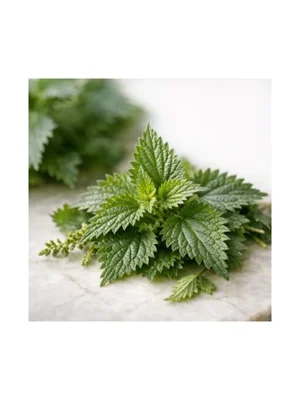
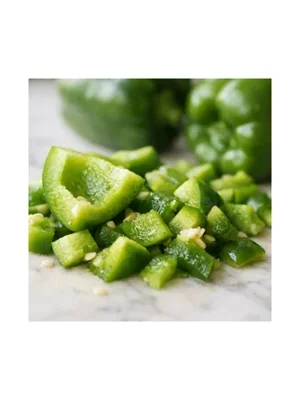
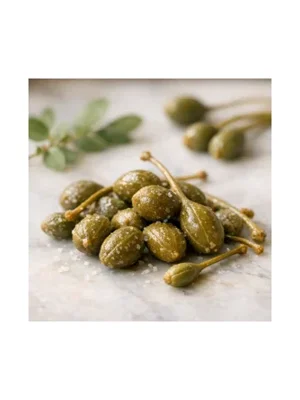
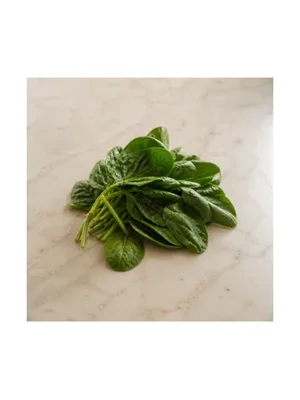
Similar Notes
Perfumes featuring Watercress
A selection of reviewed perfumes where Watercress appears prominently.
No perfumes featuring this note have been reviewed yet. Check back soon.