Nasturtium names no single substance
ReconstructedNot extracted.
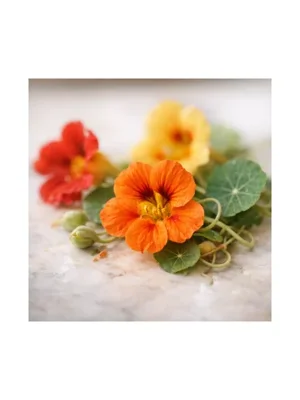
Note Profile
Nasturtium comes from the flowers and leaves of Tropaeolum majus, a plant native to South America. The aroma is taken by solvent extraction or headspace technology. It smells fresh, peppery and floral, with green, slightly spicy touches and a watercress-like sharpness. It is bright and crisp. It can show citrus and herbal hints as it dries. It is used in the heart.
Nasturtium has a fresh, peppery floral scent with green, slightly spicy undertones and a hint of watercress-like sharpness. Its aroma is bright and lively, combining floral facets with a crisp, vegetal edge. The scent can evolve to reveal subtle citrus and herbal nuances as it dries down.
Read off the wheel, not a label applied to the note.
Not extracted.
Nasturtium is derived from the flowers and leaves of Tropaeolum majus, a plant native to South America. In perfumery, its essence is typically obtained through solvent extraction or by using headspace technology to capture its delicate aroma.
Perfumers use nasturtium primarily as a heart note to impart freshness and a unique green-floral character. It blends well with citrus, aquatic, and other green notes, as well as light florals, to create vibrant, modern compositions. Its peppery quality can add complexity to both feminine and unisex fragrances.
Perfumers known for using Nasturtium include
Anne Flipo
A selection of reviewed perfumes where Nasturtium appears prominently.
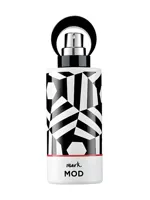
EDP · 2017
mark.
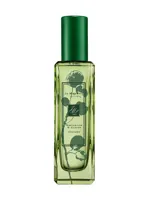
EDC · 2016
Jo Malone London
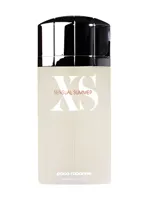
EDT · 2003
Rabanne
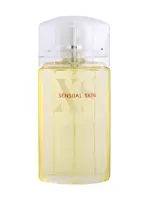
EDT · 2004
Rabanne
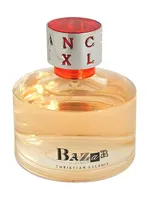
EDP · 2002
Christian Lacroix
EDP · 2014
Perfume Parlour
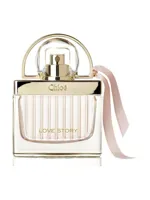
EDT · 2016
Chloé
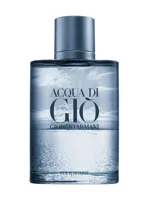
EDT · 2014
Giorgio Armani
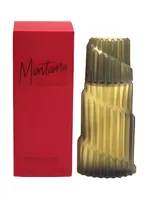
Parfum · 1989
Montana
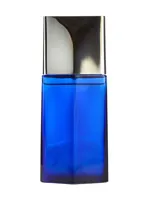
EDT · 2004
Issey Miyake
New finds, honest verdicts, and price drops.
No spam. Unsubscribe anytime. See our privacy policy.