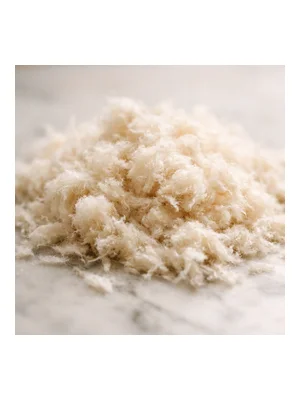
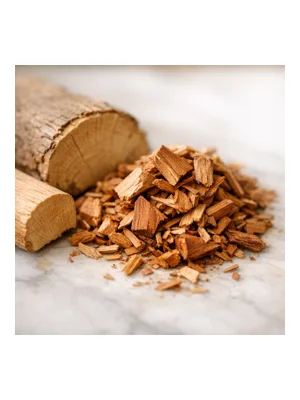
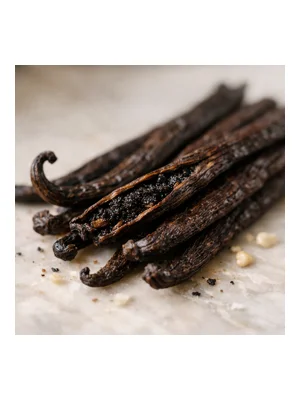
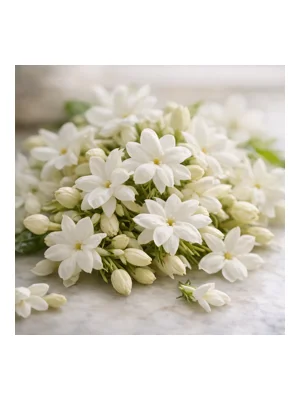
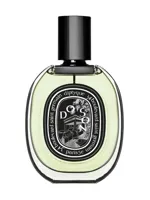
Do Son
EDP · 2013
Diptyque
Favourite

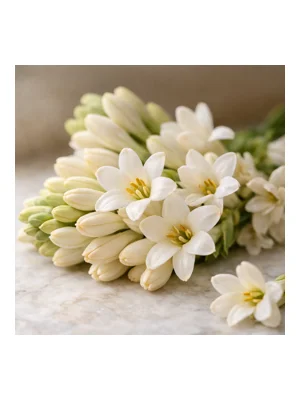
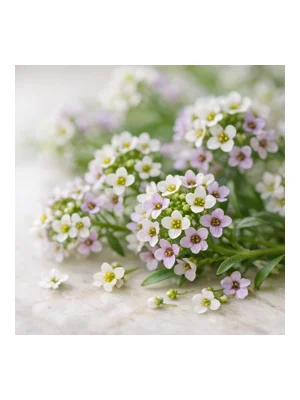
The Tuberose accord is an intensely heady, creamy white floral with narcotic, buttery sweetness. One of the most powerful and intoxicating floral notes.
The Tuberose accord is characterized by a rich, creamy white floral scent with pronounced buttery, lactonic, and slightly green facets. It is intensely heady, with a narcotic sweetness and subtle hints of coconut, menthol, and spice. The accord is warm, opulent, and enveloping, often perceived as both sensual and lush.
Notes most distinctively associated with Tuberose fragrances.
Notes most frequently found in Tuberose fragrances.
Tuberose has been used in perfumery since the 17th century, particularly in French and Indian traditions. Its distinctive scent became popular in soliflore compositions and complex floral bouquets during the late 19th and early 20th centuries. The accord remains significant as a symbol of luxury and sensuality in classic and contemporary perfumery.
Perfumers use the Tuberose accord as a central note in white floral fragrances, often in the heart of the composition. It is commonly paired with jasmine, gardenia, ylang-ylang, and green notes to balance its intensity. The accord is also used to add depth and richness to oriental, chypre, and modern gourmand fragrances.
A selection of reviewed perfumes built around Tuberose.
EDP · 2013
Diptyque
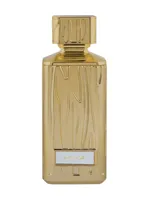
EDP · 2025
Hamidi
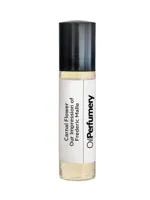
Oil · 2005
Oil Perfumery
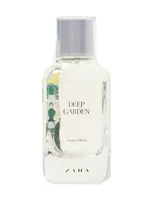
EDP · 2018
Zara
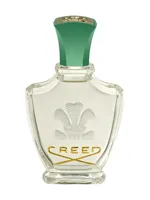
EDP · 1956
Creed
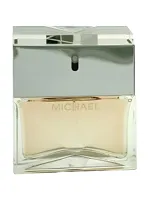
EDP · 2000
Michael Kors
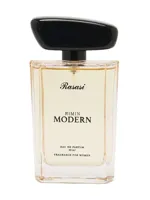
EDP · 2023
Rasasi
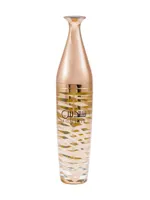
EDP · 2023
Lattafa
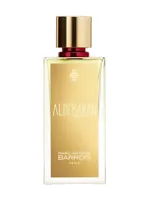
EDP · 2025
Marc-Antoine Barrois
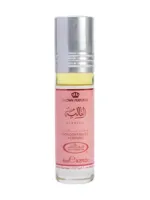
EDP · 2016
ALREHAB PERFUMES
New dupes, honest verdicts, and UK price drops.
No spam. Unsubscribe anytime. See our privacy policy.