Angela Flanders 2001 EDP
Tuberose
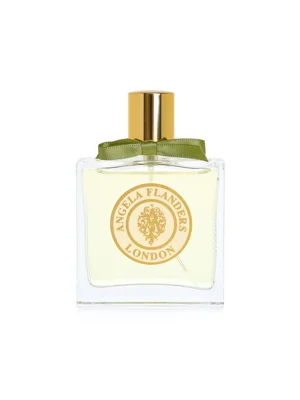
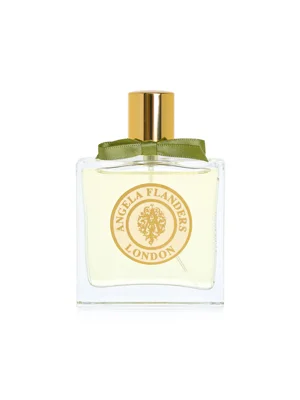
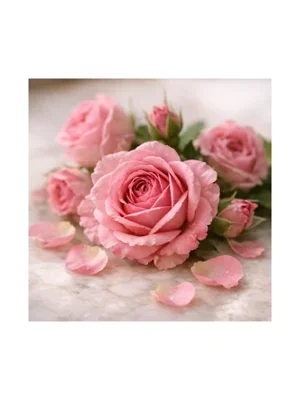
Angela Flanders Tuberose is an Eau de Parfum launched in 2001. Tuberose settles into a heart of Rose and Tuberose, and dries down to a base of Oakmoss. Angela Flanders's Tuberose carries an Acquired verdict, a woody-led wear.
Compiled from community sources and the brand's own notes: a heady, creamy tuberose soliflore from Angela Flanders' Collection Florale, layered with rose and oakmoss and carrying an animalic depth unusual among tuberose scents. Reviews are thin, reflecting the house's small, cult-favourite following rather than any real weakness.What our verdicts mean →
- Heady
- Sensual
- Creamy
- Animalic
- Bold
Scent Profile
Composition
Timeline
Top, heart and base are the brand's own listing, not a timing claim - the industry classifies a note by its character as much as by how fast it fades. Each curve here is modelled from that material's own volatility, so groups can overlap when a house lists long-lasting materials in its heart.
ScentArt
Performance & Mood
Performance
Mood
When To Wear
Best Seasons
Its heady, animalic warmth suits cooler air best, where the tuberose reads rich rather than cloying, and it fits less naturally into hot summer wear.
Best Occasions
This is a bold, statement tuberose better suited to evenings and dates than the office, and its intensity carries well into formal settings too.



Declarable allergens
We derive these from the materials behind this fragrance's notes, not from the bottle. Each one is likely, not confirmed. The list is partial - the box can name others.
In standard patch-test panels
- Geraniol
- Oakmoss
The large name is the everyday one. The small name is the INCI form on the box, so you can compare the two. Reactions differ between people. A patch-test panel is not a ranking of risk. How we derive this
About
Similar
Compare & Pair
Compare Tuberose Eau de Parfum with...
Layer
Wear two at once. See what layers well with Tuberose Eau de Parfum - the blends worth trying, and how each one scores.
Complement
Round out the rotation. See what complements Tuberose Eau de Parfum - fragrances that pair with it, worn side by side.
Where to buy
Prices for the United Kingdom · · checked 29 September

ScentVerdict earns a commission from purchases - this doesn't affect our verdicts.
Get the verdict in your inbox
New finds, honest verdicts, and price drops - straight to your inbox.
No spam. Unsubscribe anytime. See our privacy policy.