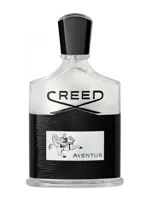
Aventus
EDP · 2010
Creed
Favourite
Catalogue
Every perfume marketed to men from niche and independent houses, each with a verdict on how it smells, how long it lasts and what it costs.
1-20 of 818 perfumes
EDP · 2010
Creed
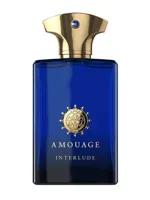
EDP · 2012
Amouage

EDP · 2016
Penhaligon's

EDP · 2020
Parfums de Marly
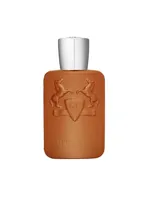
EDP · 2023
Parfums de Marly
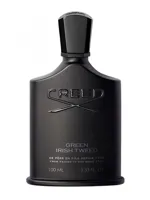
EDP · 1985
Creed

EDC · 2023
Thomson Carter

Extrait · 2023
Nishane

EDP · 2023
Thomson Carter

EDP · 2015
Byredo

EDP · 2011
Mancera

EDP · 2020
Penhaligon's

EDP · 2018
Penhaligon's

Parfum · 2017
Roja Parfums
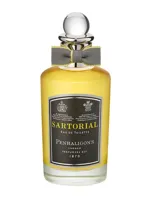
EDT · 2010
Penhaligon's

EDP · 2007
Frédéric Malle

EDP · 2018
Creed

Extrait · 2021
Mancera

EDT · 1902
Penhaligon's

EDP · 2017
Amouage
Niche began as the alternative to mass production: smaller houses, more selective shops and a narrower audience. The critic Luca Turin calls L'Artisan Parfumeur, founded in Paris in 1976, the first niche firm. Frédéric Malle took the idea further by putting the perfumer's name on the bottle, when most perfumers still worked unseen in their labs, as The Perfume Society tells it.
Indie lines sit a step further out: usually owned and run by the perfumer, and free to bottle scents the big commercial houses leave alone. For a perfumer the draw is room to experiment, away from the marketers and focus groups that Malle set out to escape.
Niche describes how a house makes and sells perfume, not how good a bottle is. Since the 2010s large groups have bought many niche houses, Estée Lauder among them with Frédéric Malle and Le Labo, and plenty now sit beside designer names in department stores. Malle himself worries that some very bad perfumes now arrive under the label.
A high price proves nothing either: one perfume writer told The Observer that good perfume does not have to be expensive. That is why every perfume here carries a verdict on how it smells, how long it lasts and what it costs, so you can judge the bottle rather than the label.
These perfumes were marketed to men, and that label is marketing too. The Guardian's beauty columnist has written that nothing in a scent decides who it is for, and that cues such as spice, smoke, wood and leather are learned. Many niche houses never assign a gender at all, so the unisex list has plenty more.
Designer perfume comes from fashion houses and is made for wide distribution. Niche perfume comes from smaller houses that sell more selectively to a narrower audience and give perfumers more room to experiment. The line has blurred since large groups began buying niche houses, so judge each perfume on how it smells and wears.
Not by definition. Niche describes how a house works and sells, not the quality of a bottle, and Frédéric Malle, one of the names behind the category, worries that some very bad perfumes now carry the label. Price is no guarantee either. Read the verdict on each perfume for how it smells, how long it lasts and what it costs.
Yes. The label says who a perfume was marketed to, not who may wear it. The Guardian's beauty columnist has written that cues such as wood, smoke and leather are learned rather than built into a scent, and many niche houses never assign a gender at all, so the unisex list is worth a look too.
New finds, honest verdicts, and price drops.
No spam. Unsubscribe anytime. See our privacy policy.