







Vivara
EDP
Emilio Pucci
Statement

Color‑driven Italian designer scents with a green, Mediterranean chypre leaning.
Emilio Pucci is an Italian fashion house founded by Emilio Pucci in 1947, rooted in Florence and closely associated with bold, geometric prints and saturated Mediterranean color. Pucci was born in Naples in 1914 and opened his first boutique, Emilio Pucci Original Sportswear, in Capri in 1950, directly opposite the beach club La Canzone del Mare. His resortwear and later ready‑to‑wear collections made the brand synonymous with streamlined shapes and vivid prints that reflected the landscapes and light of the Italian coast.
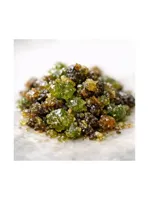
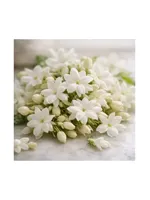
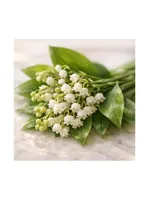
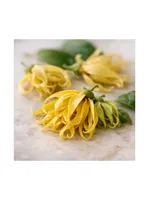
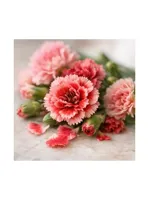
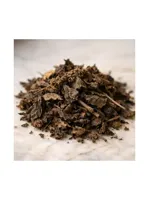
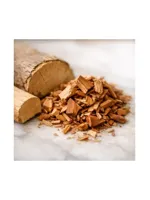
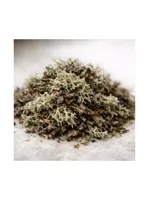
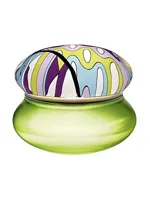
The label’s entry into perfumery came in 1965 with Vivara, its first fragrance, launched alongside an eponymous print and collection inspired by the crescent‑shaped island of Vivara in the Gulf of Naples. Vivara was composed by perfumer Michel (Michael) Hy as a green chypre with aldehydes, galbanum, peach, jasmine, carnation, leather, oakmoss, patchouli, vetiver, sandalwood and resinous notes, mirroring the brand’s mix of sharp structure and lush color. Over time, additional perfumes followed, often echoing Pucci’s visual language and Mediterranean themes.
Today the Emilio Pucci brand operates under the ownership of LVMH, which controls the fashion house behind the perfume licenses listed on major fragrance databases. While not a large fragrance portfolio compared with some designer peers, Pucci scents are closely tied to the house’s design heritage, drawing on its history of Capri resortwear, its Naples and Florence roots, and the distinctive prints that made the label recognizable worldwide.
A designer, luxury house known for green chypre compositions.
The fragrance line began in 1965 with Vivara, a green chypre that clearly reflected the house’s mid-century Capri resort aesthetic and love of Mediterranean landscapes. Later reissues and additional scents kept the emphasis on bright, sunlit themes and color-driven storytelling rather than following every mainstream trend. While ownership by LVMH placed Pucci firmly in the luxury fashion stable, the perfume side has remained relatively niche in distribution and output, appealing mainly to enthusiasts who appreciate vintage-leaning Italian designer style.
Emilio Pucci fragrances suit people who enjoy green, slightly retro designer perfumes with a strong sense of place and visual identity. If you want loud, sugary blockbusters you have better options elsewhere, but for Mediterranean chypre character from a serious fashion house, Pucci is worth seeking out.
Favourite - easy to wear anywhere · Statement - bold & distinctive · Acquired - bold, for fewer occasions
New finds, honest verdicts, and price drops.
No spam. Unsubscribe anytime. See our privacy policy.