






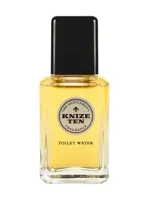
Ten
EDP
Knize
Statement

Historic Viennese tailoring house known for leather-centered, traditionally masculine fragrances.
Knize is an Austrian mens tailoring house founded in Vienna in 1858 by Joseph Knize, a tailor who became dressmaker to the imperial and royal court. Historical accounts note that the firm received a Royal Warrant in 1888 for serving the Austrian emperor, and its flagship shop at Graben 13 in Vienna was designed by architect Adolf Loos between 1910 and 1913, a distinctive interior that has reportedly remained largely unchanged.
The company entered perfumery in the early 1920s and released Knize Ten in 1924-1925, often cited as one of the first fragrances conceived specifically for men. Multiple sources attribute its composition to François Coty and Vincent Roubert working for Coty, based on a brief developed by art director Ernst Deutsch-Dryden, who chose English polo as the thematic inspiration and added the number “Ten” for the top handicap in the sport. Knize Ten established the house’s reputation for leather-focused, dry, classically masculine scents.
Over time, Knize expanded the line with flankers and related compositions such as Knize Two (introduced in 1978), the fresher green Knize Forest, and Knize Ten Golden Edition, launched in 2000 to mark the 75th anniversary of the original Knize Ten with a slightly modernized interpretation. The fragrance range is relatively small and concentrated, with recurring themes of leather, woods, and restrained florals. Today, Knize fragrances remain closely associated with the brand’s Viennese tailoring heritage and continue to be sold alongside its suits, shirts, ties, and knitwear at the historic Graben boutique and select specialty retailers.
A designer, premium house known for leather compositions.
Knize moved from tailoring into fragrance in the 1920s with Knize Ten, anchoring itself firmly in the leather-chypre style that was fashionable at the time. Subsequent releases such as Knize Two and Knize Forest lightened the formula palette slightly with green and aromatic facets, while Knize Ten Golden Edition nudged the original leather accord toward a smoother, more contemporary profile without abandoning its structure. The brand has kept a small catalog and has resisted chasing trends like loud gourmands or mass-appeal ambers, which preserves its identity but also keeps it niche in appeal.
Knize is a must-know name if you care about classic masculine leather, but its old-school character and limited distribution mean it will never be a crowd-pleasing mainstream choice. If you like sharp suits and vintage aesthetics, the fragrances will likely feel perfectly at home.
Favourite - easy to wear anywhere · Statement - bold & distinctive · Acquired - bold, for fewer occasions
New finds, honest verdicts, and price drops.
No spam. Unsubscribe anytime. See our privacy policy.