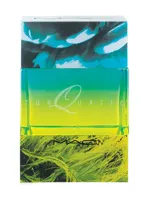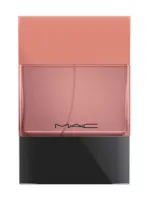



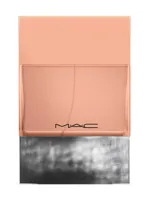
Crème D'Nude
EDP
M·A·C Cosmetics
Favourite
Artist-led beauty brand with colorful, accessible fragrances tied to a makeup-first identity.
M·A·C Cosmetics began in Toronto in 1984, founded by makeup artist and photographer Frank Toskan and salon owner Frank Angelo. The brand name stands for Make-up Art Cosmetics, and its early products were developed for professional use, especially for makeup artists, photographers, and performers who needed colors that worked on camera.
MAC entered the U.S. market in 1985 and later became part of The Estée Lauder Companies through a staged acquisition that began in 1994, with full control following in 1998. Its brand identity has long centered on bold color, artist-driven creativity, and broad inclusivity, expressed in its long-running slogan 'All Ages. All Races. All Sexes.'
In fragrance, MAC is a less central player than in makeup, but the brand's perfume offerings follow the same high-impact, expressive approach: noticeable, trend-aware compositions that lean playful, youth-oriented, and commercially accessible rather than abstract or ultra-luxurious. The scent lineup has generally been tied to color cosmetics collaborations, limited editions, and easy-wearing statement fragrances rather than a large standalone perfume universe.
A designer, mid house known for floral compositions.
MAC started as a professional makeup brand and fragrance has always been secondary to cosmetics. Over time, the brand expanded into scent with the same commercial, trend-driven approach it uses in color cosmetics. Its fragrances have stayed accessible and expressive rather than moving toward niche perfumery or high-concept luxury.
MAC perfumes are fine if you want colorful, easygoing, brand-right scents at a fair price. They are not serious fragrance collector territory, but they do what a makeup giant's fragrances should do: sell well, smell friendly, and stay uncomplicated.
Favourite - easy to wear anywhere · Statement - bold & distinctive · Acquired - bold, for fewer occasions
New finds, honest verdicts, and price drops.
No spam. Unsubscribe anytime. See our privacy policy.