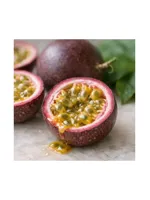
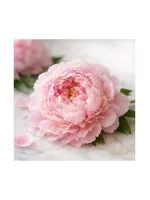
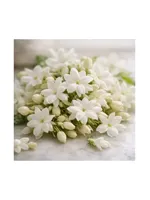
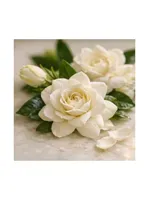











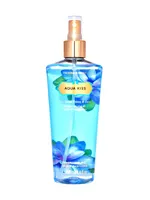
Aqua Kiss
Body Spray
Victoria's Secret
Favourite
Accessible luxury fragrances for everyday sensuality and confidence.
Victoria's Secret was founded in 1977 by Roy Raymond in San Francisco as a lingerie retailer designed to make shopping comfortable for men. The brand was acquired by Leslie Wexner's Limited Brands in 1982, after which it expanded rapidly to 350 stores nationwide by the early 1990s with estimated sales reaching $1 billion. The fragrance division launched in 1988 with the debut scent Victoria, a rosy floral with amber and woody notes that drew inspiration from English aesthetics - the brand even used a fake London address in early marketing. The fragrance portfolio expanded significantly through the 1990s and 2000s, with Bombshell launching in 2010 to become America's number-one fragrance. Today, Victoria's Secret Beauty claims six fragrances in the top 25 best-sellers in the U.S., with pillar scents including Dream Angels, Very Sexy, Breathless, Tease, and Heavenly. The brand operates a sub-label called Pink targeting younger, college-aged consumers.
A mass market, mid house known for floral compositions.
Victoria's Secret began with a distinctly English-inspired aesthetic in 1988, positioning itself as sophisticated and refined. By the 1990s, the brand shifted toward broader mass-market appeal, introducing fruity-floral fragrances designed for maximum wearability. The 2010 launch of Bombshell marked a turning point toward sweeter, fruitier compositions that dominated the brand's output through the 2010s and 2020s. Recent releases show continued focus on accessibility and commercial viability rather than olfactory innovation.
Victoria's Secret delivers reliable, long-lasting fragrances at accessible price points for consumers seeking everyday sensuality without complexity. The brand excels at mass-market positioning but lacks the olfactory depth or innovation expected from premium fragrance houses.
Favourite - easy to wear anywhere · Statement - bold & distinctive · Acquired - bold, for fewer occasions
Body Spray
Victoria's Secret
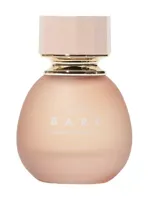
EDP
Victoria's Secret
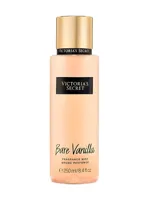
EDP
Victoria's Secret
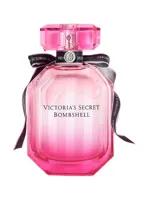
EDP
Victoria's Secret
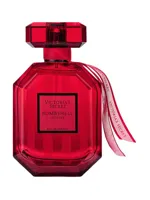
EDP
Victoria's Secret
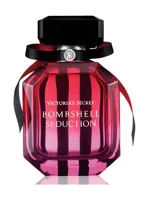
EDP
Victoria's Secret
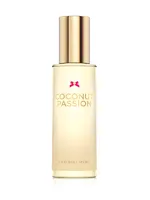
Body Spray
Victoria's Secret
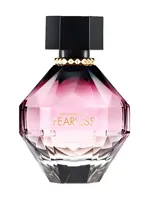
EDP
Victoria's Secret
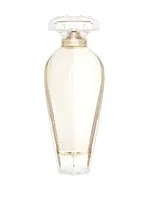
EDP
Victoria's Secret
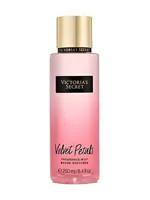
EDP
Victoria's Secret
New finds, honest verdicts, and price drops.
No spam. Unsubscribe anytime. See our privacy policy.