







Turbulences
EDP
Revillon
Acquired
Historic Parisian fur house turned classic perfume name, best known for mid-century aldehydic florals and vintage-style signatures.
Revillon traces its roots to 1723, when the furrier house Maison Givelet opened a boutique in Paris. Louis-Victor Révillon acquired the business in 1839, transforming it over the 19th century into an international fur and luxury-goods company with operations in Europe, Asia, Alaska and Canada. The firm established a London branch in 1871, with significant trade in imported products, and later became closely associated with high-end fur in haute couture.
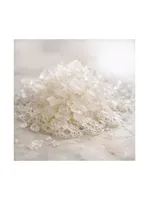
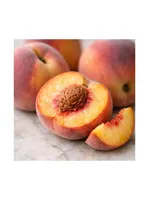
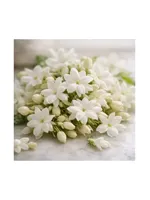
Revillon expanded into perfumery in the 20th century, launching fragrances from the mid-1930s and building out a dedicated perfume arm. In 1963 the company acquired Parfums Millot, integrating existing Millot compositions into the Revillon catalog. Over time, Revillon developed a portfolio that included feminine classics such as Detchema (1953), a floral fragrance built around aldehydes, peach, hyacinth, neroli and bergamot, and later launches such as Eau de Revillon (1998) and R de Revillon.
The corporate structure shifted in the 1980s, when the Belgian retail group Cora bought Revillon in 1982 to consolidate its high-end and luxury activities under the Cora-Revillon name. Today the Revillon name is fragmented across independent entities in fur and cosmetics, while its vintage perfumes remain of particular interest to collectors. Many of these scents reflect mid-20th-century French perfumery, with aldehydic floral signatures, leather and woody bases, and a style that aligns closely with classic designer fragrance aesthetics rather than contemporary niche experimentation.
A designer, mid house known for floral-aldehydic compositions.
Revillon moved from being primarily a fur and luxury-goods house in the 19th century to adding a dedicated perfume line in the 20th century. The acquisition of Parfums Millot in 1963 expanded its fragrance catalog and reinforced its position among French designer perfume houses. After the 1982 acquisition by Cora and the resulting Cora-Revillon structure, the brand's fragrance activity gradually diminished, with many scents becoming discontinued and the name shifting toward heritage and collector status. Today, Revillon's influence is felt more through its surviving vintage bottles and the interest of enthusiasts than through new mainstream launches.
Revillon is a historically important but now niche-in-practice designer name, mainly relevant to vintage lovers and collectors. If you enjoy classic aldehydic florals and leather-woody structures, its older scents are worth seeking out despite the hunt required.
Favourite - easy to wear anywhere · Statement - bold & distinctive · Acquired - bold, for fewer occasions
New finds, honest verdicts, and price drops.
No spam. Unsubscribe anytime. See our privacy policy.