

Acqua di Selva
EDC
Visconti di Modrone
Statement
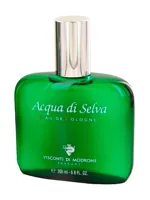
Historic Italian perfume house best known for the green masculine cologne Acqua di Selva (1949).
Visconti di Modrone traces back to Giuseppe Visconti di Modrone, a Milanese industrialist and fragrance enthusiast active in the early 20th century. Historical accounts from the Museo del Profumo and related essays describe him as a pioneering Italian perfumer who helped establish Milan as a key perfume hub and founded the perfume house Giviemme, derived from his initials G.V.M. In 1911 he completed his first major fragrance project after extensive experimentation, then asked his friend, the writer Gabriele D’Annunzio, to provide a name; D’Annunzio famously suggested “Contessa Azzurra” (Countess Azzurra) as a suitably aristocratic title.
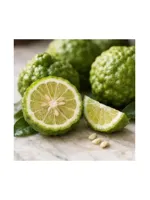
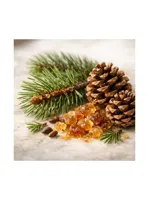
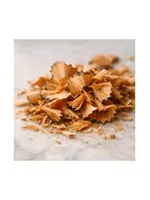
Later, Giuseppe Visconti developed a fragrance line sometimes abbreviated as GVM, which was produced in collaboration with the Carlo Erba company. Sources on Italian perfume history and niche fragrance blogs note that the perfume most strongly associated with the Visconti di Modrone name is Acqua di Selva, released in 1949 and widely sold as a fresh masculine cologne in Italy. Acqua di Selva is characterized by green, pine and cedar nuances, reflecting a classic mid‑20th‑century Italian fougere style that has remained the brand’s main reference point in contemporary listings.
Modern databases such as Fragrantica list Visconti di Modrone as an old perfume house with a very small catalog, indicating that Acqua di Selva is effectively its flagship scent. The brand today is primarily known through reissues and continued distribution of this 1949 composition rather than through a broad portfolio or ongoing new launches. As a result, Visconti di Modrone occupies a niche position, appealing mostly to collectors and enthusiasts interested in historically significant Italian colognes and vintage‑style green fragrances.
A niche, mid house known for green compositions.
The brand’s creative peak belongs to the first half of the 20th century, when Giuseppe Visconti experimented with chypres and worked through his Giviemme enterprise. Over time, Visconti di Modrone’s presence narrowed to a handful of references, with Acqua di Selva 1949 emerging as the long-term survivor. In contemporary distribution, the house functions largely as a heritage label, maintaining this signature green cologne rather than actively expanding its range or radically updating its style.
Visconti di Modrone is mainly worth seeking out if you enjoy historically important Italian fougeres and a dry green profile. If you prefer modern sweet or heavily diffused designer styles, its offerings will likely feel austere and old-fashioned.
Favourite - easy to wear anywhere · Statement - bold & distinctive · Acquired - bold, for fewer occasions
New finds, honest verdicts, and price drops.
No spam. Unsubscribe anytime. See our privacy policy.