

Is Fragrance World Celestia Viola a dupe of Mancera Instant Crush?






 Instant Crush EDP
| EDP | Concentration | EDP |
| U | Gender | F |
| 2019 | Year | 2024 |
| $$ | Price Tier | $ |
 Celestia Viola EDP
While both Instant Crush and Celestia Viola share a similar DNA with their woody, warm spicy, and vanilla accords, the overall experience differs significantly. Instant Crush, released in 2019, leans heavily into sweetness and projection, making it a 'beast mode' fragrance, that can be polarizing due to its synthetic edge. Celestia Viola presents a bolder, spicier profile that exudes elegance and makes a statement. The key difference lies in the intensity and the presence of dominant spice notes in Celestia Viola against the sweet profile of Instant Crush. If you seek subtlety, Celestia Viola offers a refined alternative.

Where they differ
Biggest gaps first. The bolder side leads.
ScentArt
How it unfolds
Notes
- Instant Crush
- Celestia Viola
- in both
Tap a note to light it in both. A+B means both have it


Which Should You Buy?
- You want a fragrance with beast mode projection.
- You prefer a sweeter, warmer vanilla-amber dominant scent.
- You want a fragrance that is more mass-appealing.
- You want an affordable dupe of BR540.
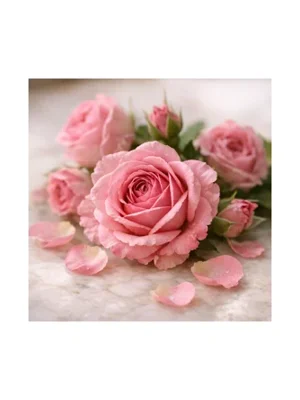
- You favor a fragrance with a strong rose presence.
- You prefer a fragrance with a spicy edge.
- You want a fragrance that is more refined.
- You like a fragrance that makes a statement.
- You want a fragrance with more patchouli.
- You prefer a modern and bold fragrance.
Saffron and ginger give the bright citrus opening a dry warmth, while rose and jasmine soften the amberwood heart. Vanilla, musk and oakmoss settle into a smooth, gently woody finish.
Spicy, rich and made to be noticed: an evening scent for dates and dressed-up nights. Ginger and saffron start it hot, and jasmine, rose and amber warm it toward a vanilla finish.
Scent Profile
How They Wear
Mood
Notes
Top Notes
Heart Notes
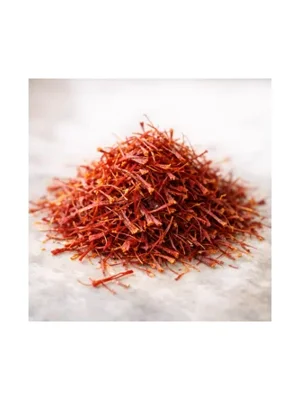 Saffron
18%
vs
17%
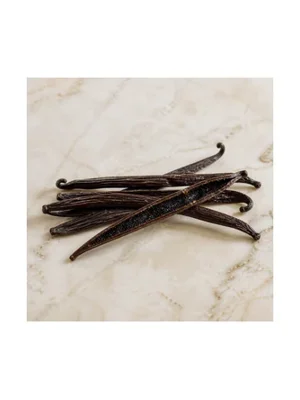 Vanilla
17%
vs
9%
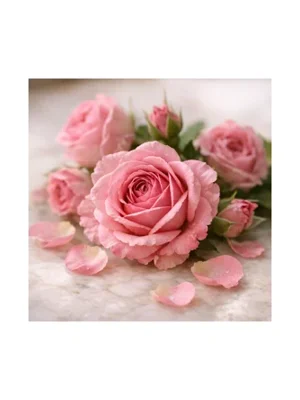 Rose
9%
vs
11%
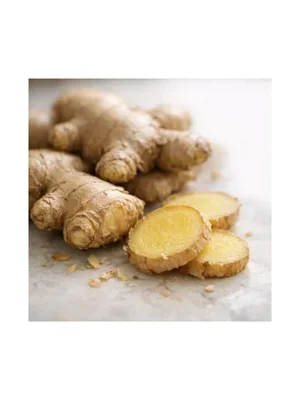 Ginger
6%
vs
18%
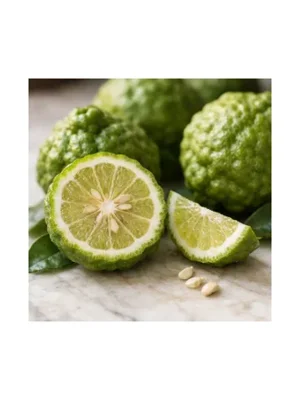 Bergamot
5%
vs
7%
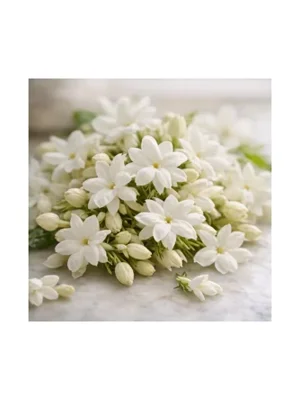 Jasmine
4%
vs
11%
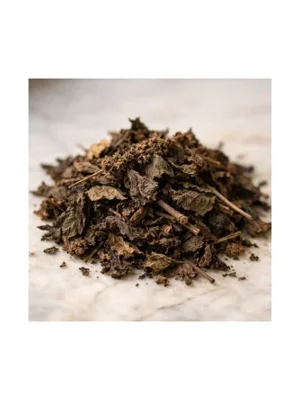 Patchouli
2%
vs
10%
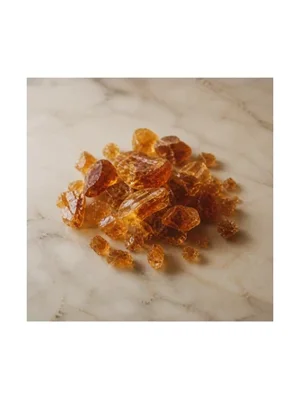 Amberwood
13% share of the perfume
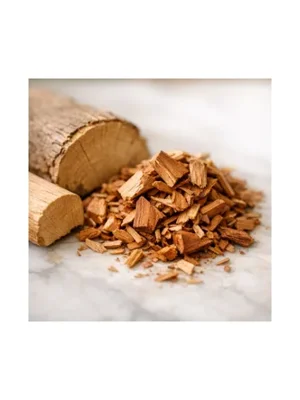 Sandalwood
10% share of the perfume
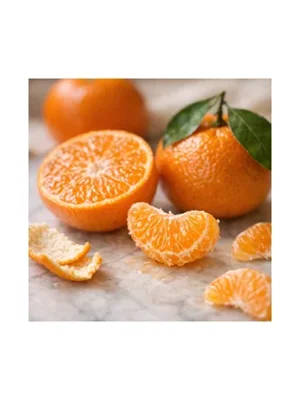 Mandarin
4% share of the perfume
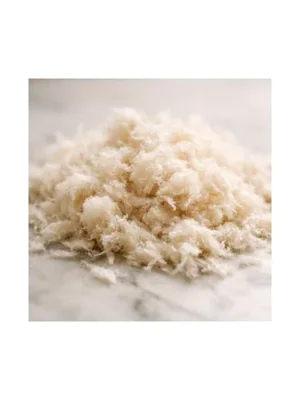 Musk
4% share of the perfume
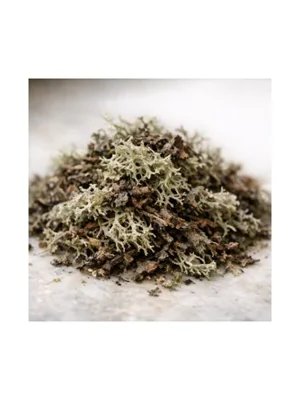 Oakmoss
3% share of the perfume
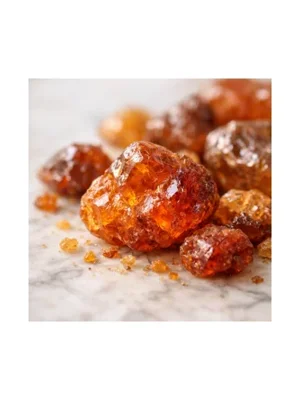 Amber
12% share of the perfume
Saffron
18%
vs
17%
Ginger
6%
vs
18%
Bergamot
5%
vs
7%
Mandarin
4% share of the perfume
Vanilla
17%
vs
9%
Sandalwood
10% share of the perfume
Musk
4% share of the perfume
Oakmoss
3% share of the perfume
Patchouli
11% share of the perfume
Note weights are our estimate from each note's place in the pyramid, not the share of the formula. Brands do not publish formulations.
Performance
Season and Occasion Fit
Seasons
Saffron, amberwood and vanilla give the citrus and florals a warm depth that leans towards autumn and winter.
Occasions
Warm spice, rose and amberwood give the composition a composed character, while vanilla and jasmine soften its edges.
Seasons
Saffron, amber and vanilla are warm and rich: winter is its home, autumn close behind, and summer far too heavy.
Occasions
The strong warm spicy and amber accords, combined with a luxurious feel, make this an ideal choice for dates and formal events where you want to stand out. Its intensity means it might be a bit much for a typical office setting or casual daytime wear, but it wouldn't be out of place for an evening out.
Similarity Breakdown
Our estimate of how alike these two fragrances smell, calculated from their published notes. It is a position on our scale, not a measured percentage of shared smell.
Shares 7 of its 12 notes, including Jasmine, Vanilla, Bergamot
Adds amberwood and mandarin, drops amber
Where to buy
Pick a size. The two cheapest offers, then the rest.







Prices before sales tax, which the shop adds at checkout.
ScentVerdict earns a commission from purchases - this doesn't affect our verdicts.