

Is Fragrance World Wurood Blanc Sapphire a dupe of WIDIAN Limited 71?







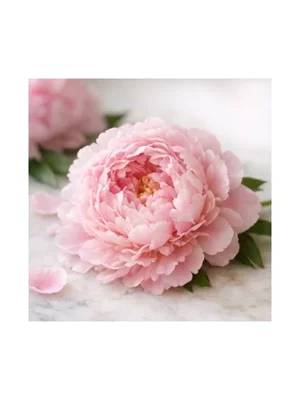
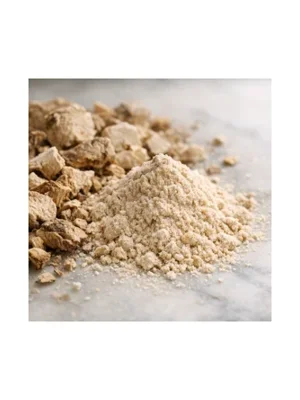


 Limited 71 EDP
| EDP | Concentration | EDP |
| U | Gender | F |
| 2016 | Year | 2022 |
| $$$$$ | Price Tier | $ |
 Wurood Blanc Sapphire EDP
Wurood Blanc Sapphire and Limited 71 share musky and powdery facets, but diverge dramatically in execution. Sapphire, a budget option, is widely considered a scrubber due to its clashing notes. Limited 71, in contrast, is a high-end amber fragrance celebrated for its sophisticated blend and impressive longevity. While both contain incense and musk, Limited 71 presents a balanced, bright, and refined experience, while Sapphire struggles with an unbalanced and unpleasant profile. If you favor quality and complexity, Limited 71 is the clear winner. Sapphire is best avoided.

Where they differ
Biggest gaps first. The bolder side leads.
ScentArt
How it unfolds
Notes
- Limited 71
- Wurood Blanc Sapphire
- in both
Tap a note to light it in both. A+B means both have it


Which Should You Buy?
- You enjoy taking risks with unusual scent profiles.
- You like challenging fragrances that provoke strong reactions.
- You prioritize affordability above all else.
- You appreciate high-quality ingredients and masterful blending.
- You seek a sophisticated and long-lasting amber fragrance.
- You want a unique scent that exudes class and refinement.
- You are willing to invest in a truly exceptional perfume.
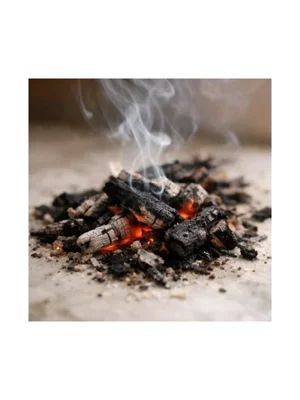
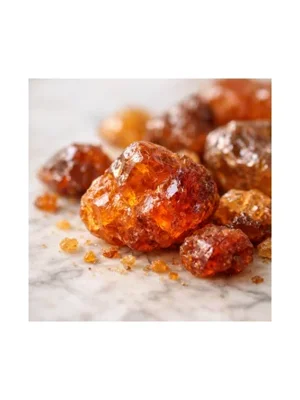
A smoky amber with a bright start: bergamot and coriander give way to ambergris and haze, then incense, musk and amber. Warm, dry and long-lasting in the Middle Eastern style, with the edges kept clean.
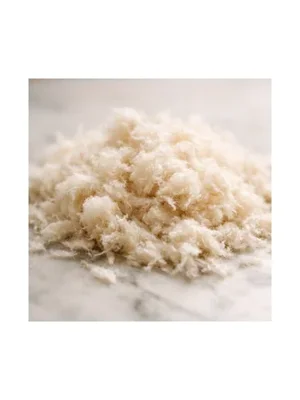
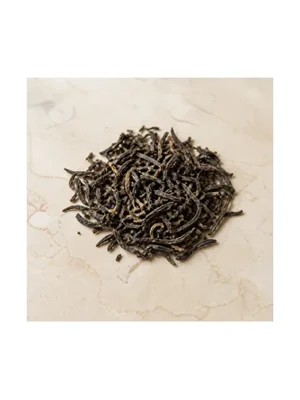
An odd one. Aldehyde fizz, tea and powdery iris never settle on a single idea, and the finish reads soapy and a little chemical. Test it on skin before you buy.
Scent Profile
How They Wear
Mood
Notes
Top Notes
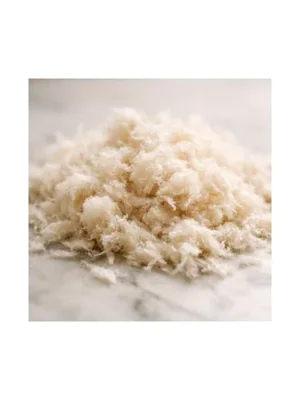 Musk
16%
vs
2%
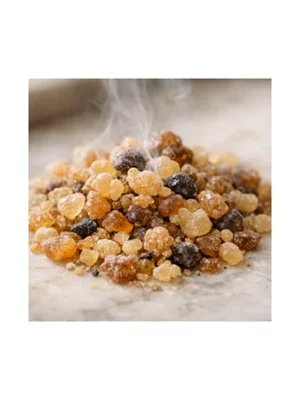 Incense
13%
vs
10%
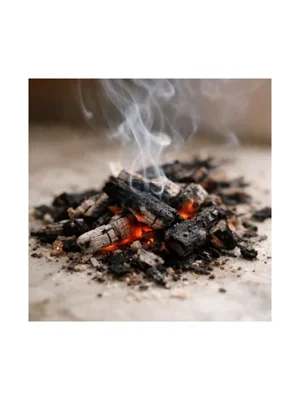 Smoke
16% share of the perfume
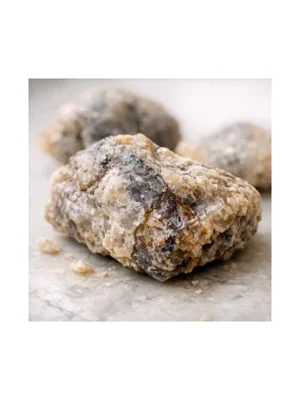 Ambergris
15% share of the perfume
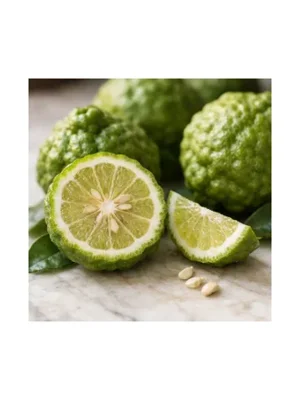 Bergamot
11% share of the perfume
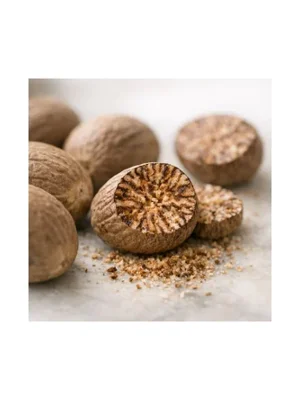 Nutmeg
11% share of the perfume
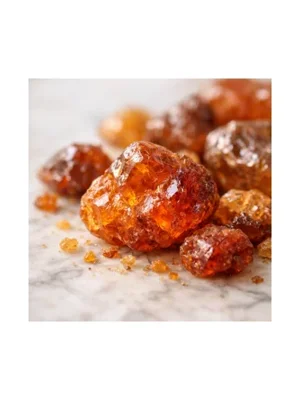 Amber
9% share of the perfume
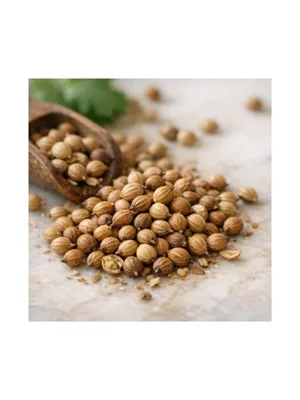 Coriander
8% share of the perfume
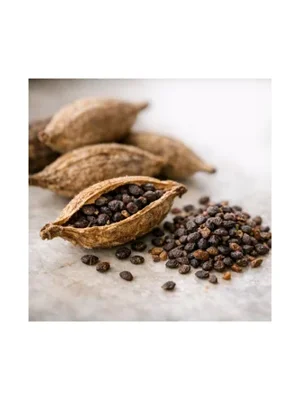 Ambrette
13% share of the perfume
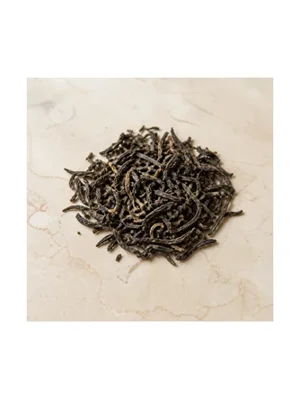 Tea
13% share of the perfume
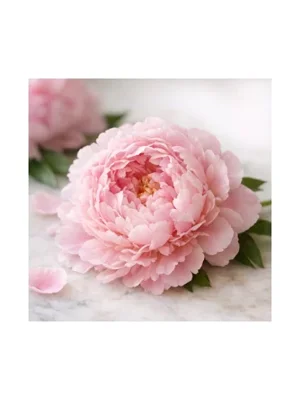 Peony
12% share of the perfume
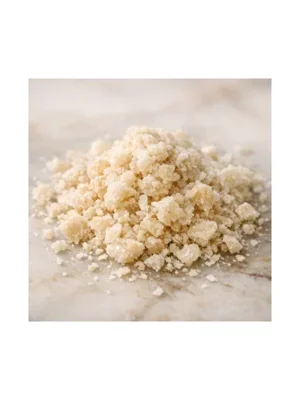 Cashmeran
11% share of the perfume
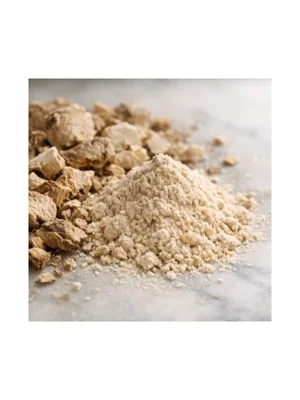 Iris
10% share of the perfume
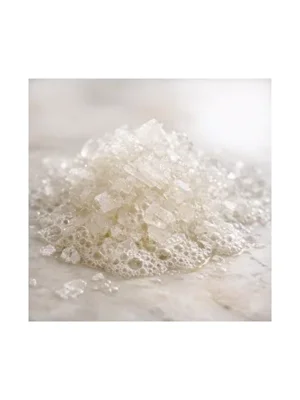 Aldehydes
9% share of the perfume
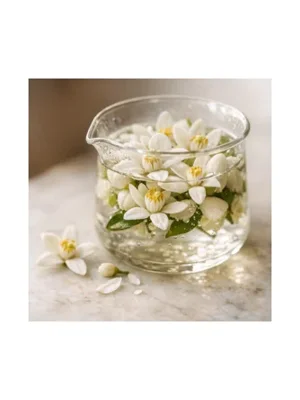 Neroli
8% share of the perfume
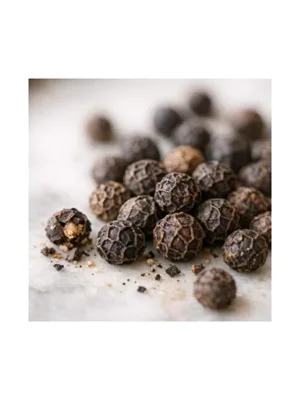 Pepper
7% share of the perfume
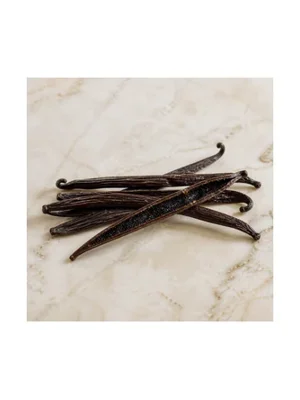 Vanilla
4% share of the perfume
Bergamot
11% share of the perfume
Nutmeg
11% share of the perfume
Coriander
8% share of the perfume
Aldehydes
9% share of the perfume
Neroli
8% share of the perfume
Pepper
7% share of the perfume
Ambrette
13% share of the perfume
Tea
13% share of the perfume
Peony
12% share of the perfume
Iris
10% share of the perfume
Note weights are our estimate from each note's place in the pyramid, not the share of the formula. Brands do not publish formulations.
Performance
Season and Occasion Fit
Seasons
Smoke, amber and incense are warm and dry, so autumn and winter suit it best. Spring is possible; summer would be too heavy.
Occasions
Rich and smoky, it shines on dates and at formal occasions. It is strong for an office, though a light hand makes it workable.
Seasons
Aldehydes, tea and clean musk are lightest in spring, summer and autumn, and winter would leave it flat.
Occasions
Clean and quiet, it is best kept for easy daytime wear. Dates and formal evenings ask for more shape than it has.
Similarity Breakdown
Our estimate of how alike these two fragrances smell, calculated from their published notes. It is a position on our scale, not a measured percentage of shared smell.
Shares 2 of its 8 notes, including Incense, Musk
Adds amber and ambergris, drops aldehydes and ambrette
Where to buy
Pick a size. The two cheapest offers, then the rest.

Prices before sales tax, which the shop adds at checkout.
ScentVerdict earns a commission from purchases - this doesn't affect our verdicts.