

Is Maison Alhambra My Party a dupe of Yves Saint Laurent Mon Paris?










 Mon Paris EDP
| EDP | Concentration | EDP |
| F | Gender | F |
| 2016 | Year | 2022 |
| $$ | Price Tier | $ |
 My Party EDP
My Party is a budget-friendly dupe of Mon Paris, delivering a similar fruity-sweet white floral experience at a fraction of the cost. However, the key difference lies in the quality of ingredients. Mon Paris boasts a refined, luminous blend, while My Party can lean synthetic and may require time to macerate. If you prioritize a polished, designer fragrance with proven longevity, Mon Paris is the winner. But if you're budget-conscious and willing to gamble on a potentially excellent dupe after some aging, My Party could be a steal.
 →
Where they differ
Biggest gaps first. The bolder side leads.
ScentArt
How it unfolds
Notes
- Mon Paris
- My Party
- in both
Tap a note to light it in both. A+B means both have it


Which Should You Buy?
- You want a refined, signature-worthy scent.
- You prefer higher-quality ingredients and smoother blends.
- Longevity and projection are important to you.
- You appreciate the prestige of a designer brand.
- You're on a tight budget and want a similar vibe.
- You enjoy experimenting with affordable dupes.
- You don't mind letting a fragrance macerate.
- You want a strong performer without breaking the bank.
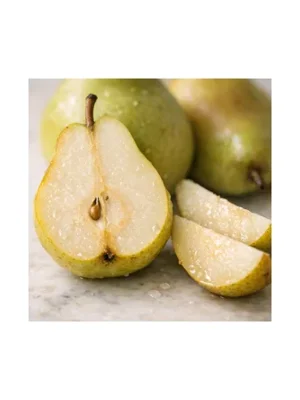
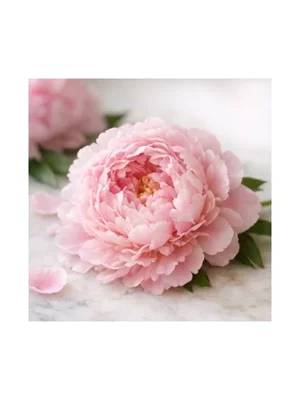
Strawberry and raspberry brighten a floral heart of peony and datura, while patchouli, musk and vanilla bring a soft, mossy depth.
Strawberry, raspberry and citrus open it, then jasmine and orange blossom lead to patchouli and vanilla. A sweet fruity-floral in the style of Mon Paris, fun on casual days and dates.
Scent Profile
How They Wear
Mood
Notes
Top Notes
Heart Notes
Base Notes
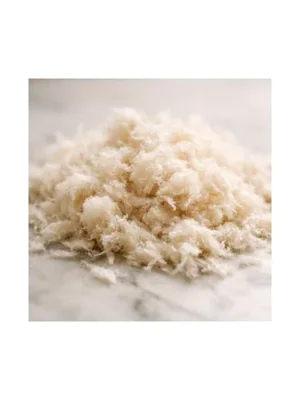
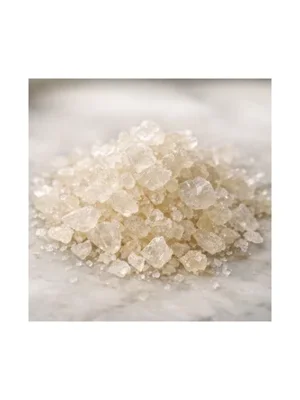
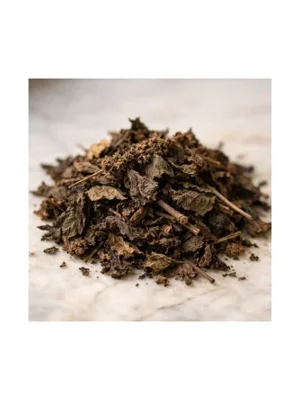 Patchouli
13%
vs
9%
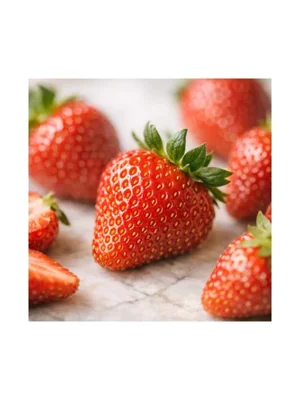 Strawberry
11%
vs
10%
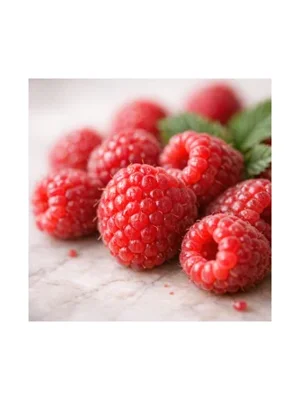 Raspberry
10%
vs
9%
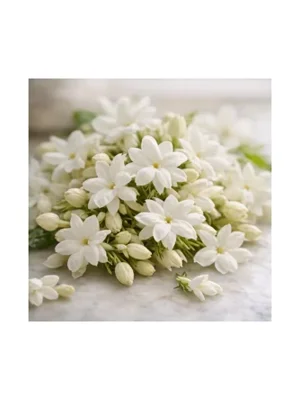 Jasmine
7%
vs
10%
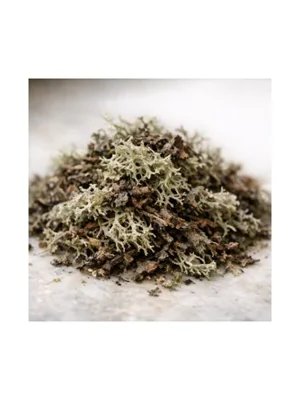 Oakmoss
6%
vs
5%
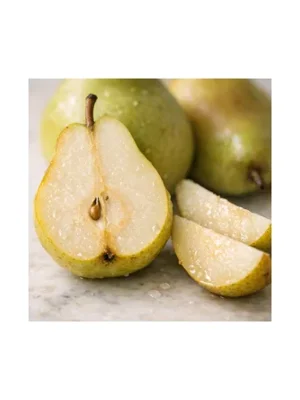 Pear
5%
vs
7%
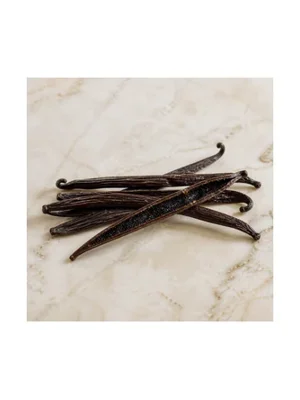 Vanilla
5%
vs
7%
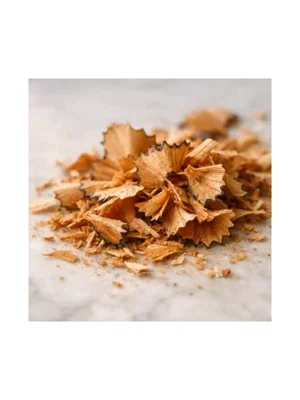 Cedar
4%
vs
5%
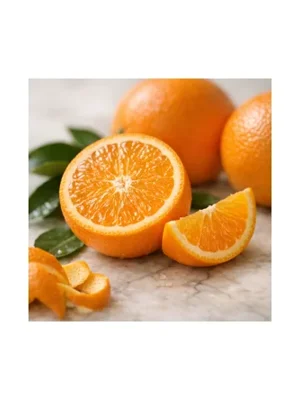 Orange
4%
vs
7%
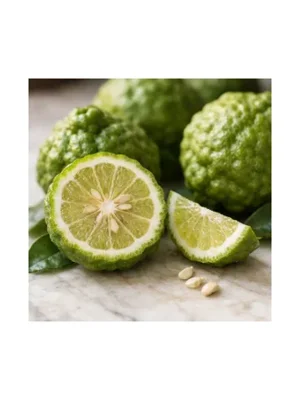 Bergamot
3%
vs
5%
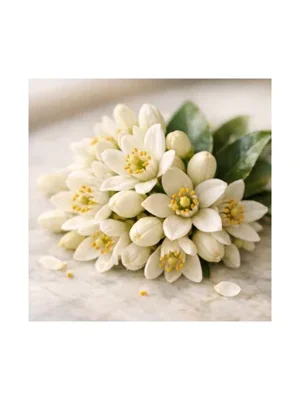 Orange Blossom
3%
vs
7%
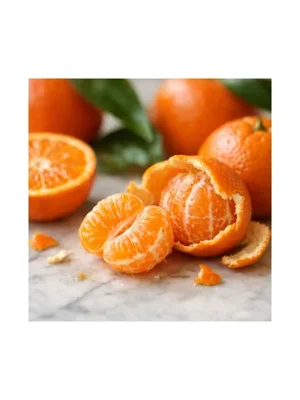 Tangerine
3%
vs
6%
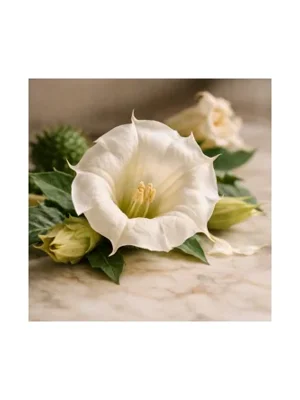 Datura
2%
vs
7%
Strawberry
11%
vs
10%
Raspberry
10%
vs
9%
Pear
5%
vs
7%
Orange
4%
vs
7%
Bergamot
3%
vs
5%
Tangerine
3%
vs
6%
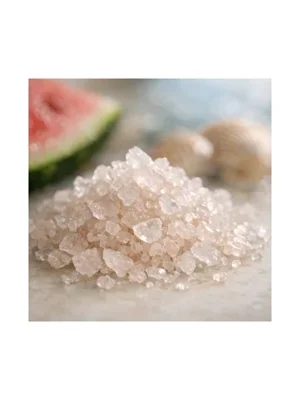 Calone
1% share of the perfume
Jasmine
7%
vs
10%
Orange Blossom
3%
vs
7%
Datura
2%
vs
7%
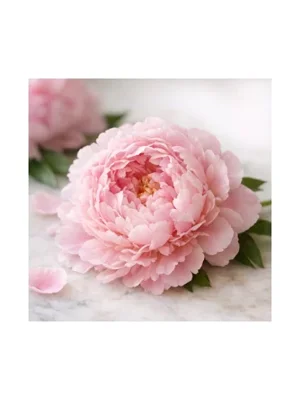 Peony
7% share of the perfume
Note weights are our estimate from each note's place in the pyramid, not the share of the formula. Brands do not publish formulations.
Performance
Season and Occasion Fit
Seasons
The lively berries and peony give the blend a clear spring lift, while patchouli and oakmoss bring autumnal depth. Citrus keeps summer present, with the base carrying moderate weight into winter.
Occasions
Fruity brightness and softened florals sit most naturally in casual settings, with date and office character also well represented. Its more formal character is moderate and its sport aspect is quieter.
Seasons
Fruit and white flowers suit spring and summer best, and the vanilla and patchouli keep it cosy enough for autumn. Cold winter air mutes the fruit.
Occasions
Sweet, lively and clearly noticeable, so evenings out, dates and casual days suit it. It is too loud for a quiet office and too sugary for sport.
Similarity Breakdown
Our estimate of how alike these two fragrances smell, calculated from their published notes. It is a position on our scale, not a measured percentage of shared smell.
Every one of its 13 notes is in the original, including Bergamot, Datura, Orange Blossom
Without ambroxan and calone
Where to buy
Pick a size. The two cheapest offers, then the rest.








Prices before sales tax, which the shop adds at checkout.
ScentVerdict earns a commission from purchases - this doesn't affect our verdicts.