Ajowan oil
A natural extractCAS 8001-99-8
Trachyspermum ammi oil (IFRA NCS E2.12). The note describes the thymol-dominant character this oil carries.
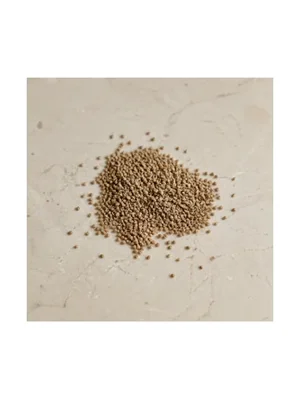
Note Profile
Ajowan smells like thyme turned sharper and more medicinal, with a cumin-like spice under it. The oil is 34-61% thymol, so the phenolic, almost antiseptic herb character leads. A dry, zesty terpene lift sits on top and a warm, faintly sweaty spice sits below.
Aromatic_herbal leads and all three suppliers put it first: 'odor very similar to thyme', 'thymolic after note', 'Aromatic'. Thymol at 34-61% of the oil is the reason, and it carries the medicinal, phenolic register the same source calls out. Warm_spice is the second thing every source names - 'spicy', and the 'cyminic' odour, which is the trade term for cumin-like. It stays below the published cumin note's 0.72 because in ajowan the spice sits under the herb rather than over it. Cooling_mentholic is the camphoraceous lift: Aliksir lists camphene in the oil, and Sunrise Botanics calls the smell medicinal. It is set below the published thyme note's 0.35 because no source here uses the word camphoraceous directly. Animalic rests on one source only, Aliksir's 'Aromatic, animal and zesty odor', and the cumin comparison that points the same way. Two other suppliers describe the oil without naming anything animal, so this facet is held low with a wide spread. Below that, green and citrus are the gamma-terpinene and p-cymene top - Aliksir's 'zesty'. Earthy and dry_woody are the p-cymene drydown and the cumin side of the profile.
Read off the wheel, not a label applied to the note.
CAS 8001-99-8
Trachyspermum ammi oil (IFRA NCS E2.12). The note describes the thymol-dominant character this oil carries.
Steam-distilled from the seeds of Trachyspermum ammi, an umbellifer grown mainly in India and Iran. The oil is dominated by thymol, with gamma-terpinene and p-cymene as the other major volatiles. Thymol content is not fixed: one field study measured it from 37.54% to 89.01% across populations under different water stress, so commercial grades vary a lot.
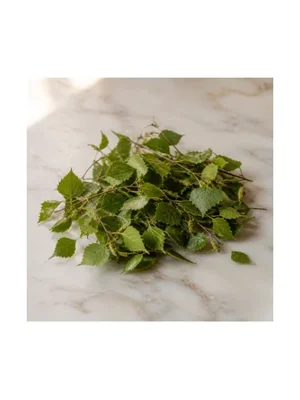
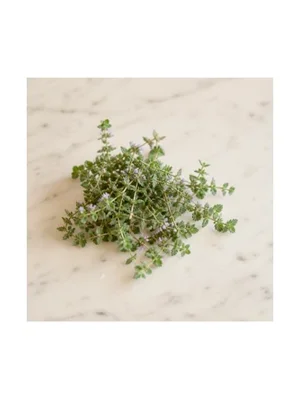
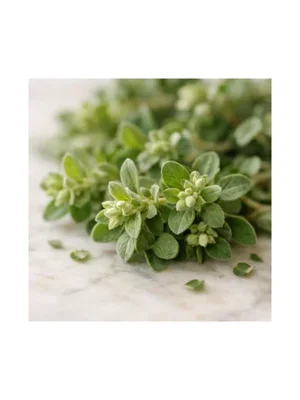
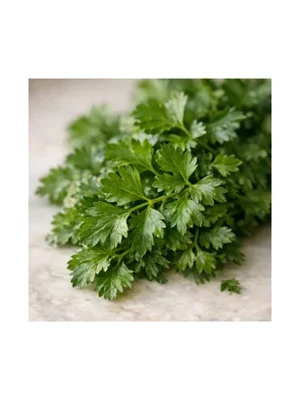
Ajowan is a spice first and a perfumery material second. Suppliers state its main market is flavour work, and the four perfume uses recorded here come from four different brands, so it is a rare and deliberate choice rather than a workhorse. Where it appears it does the job thyme or cumin would do, with a harder medicinal edge. It blends with thyme, parsley, oregano and the other thymol-carvacrol herbs.
A selection of reviewed perfumes where Ajowan appears prominently.
No perfumes featuring this note have been reviewed yet. Check back soon.
New finds, honest verdicts, and UK price drops.
No spam. Unsubscribe anytime. See our privacy policy.