Blood
Note Profile
About
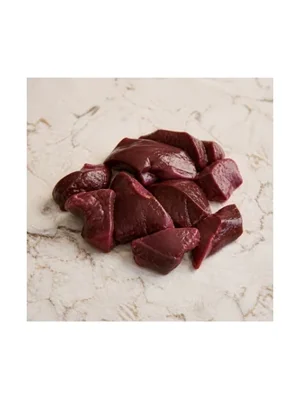
Blood is a fantasy accord with a real, named odorant behind it. trans-4,5-epoxy-(E)-2-decenal is an aldehyde present in mammalian blood that gives it its metallic smell, and humans detect it at 1.5 pg/L in air. A second mechanism runs alongside: blood on skin oxidises skin lipids and produces the same fungal-metallic bouquet that iron does, which is why a coin and a cut smell alike.
Scent Profile
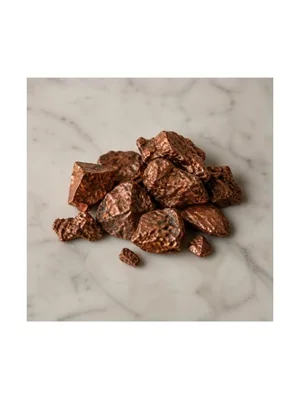
Metallic first and by a long way - iron, a copper-penny sharpness, the mineral facet doing metal rather than stone. Under it a clear animalic warmth, visceral rather than faecal. Then earthy, which is not an ornament: 1-octen-3-one is the mushroom odorant, so the fungal-earthy note is the same molecule as the metallic one. A warm skin-musk carries it, and there is a leathery turn in the drydown that the sources name directly.
ScentWheel
Read off the wheel, not a label applied to the note.
Origin
Not extracted from anything. The accord is rebuilt from iron-like aldehydes, warm skin musks and salty mineral materials. The chemistry it imitates is lipid oxidation - the epoxydecenal comes from linoleic-acid hydroperoxides, and 1-octen-3-one is generated on skin when iron ions break down lipid peroxides. The 2006 Angewandte Chemie work that established the second route puts it flatly: that we are smelling the metal itself is an illusion.
Usage in Perfumery
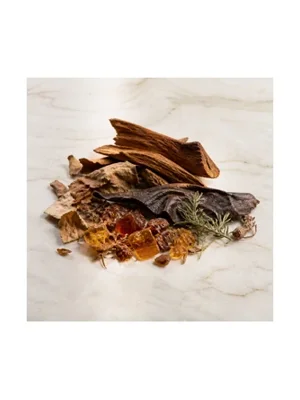
A base-level animalic modifier used at trace. It gives a composition a visceral, bodily undertone and works beside leather, castoreum substitutes and dark oud. In the four measured uses of the bare note, three print an explicit metal note next to it and two print salt or brine, so in practice perfumers use it as the metallic member of the animalic family rather than as a warm one.
Similar Notes
Perfumes featuring Blood
A selection of reviewed perfumes where Blood appears prominently.
No perfumes featuring this note have been reviewed yet. Check back soon.