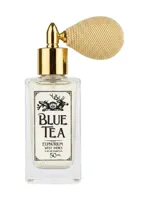
Blue Pea Flower names no single substance
ReconstructedClitoria is used as a dye; it is scentless.
Note Profile
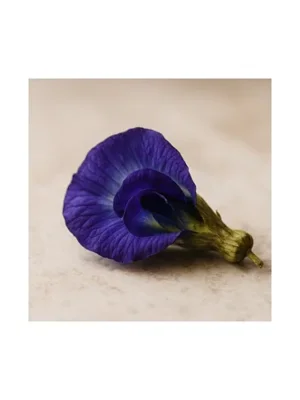
Blue pea flower is the blossom of Clitoria ternatea, also known as butterfly pea, used both as a vivid natural colorant and as a subtle aromatic material. Its scent is characterized by earthy, woody and grassy facets with soft floral nuances and a gentle herbal tone. In perfumery, it can suggest blue tea or butterfly pea accords that add a calm, natural, slightly rustic character to compositions.
Olfactorily, blue pea flower presents a **dry, earthy and woody** backbone, often likened to herbal tea or fermented soy-like nuances, accompanied by gentle grassy and mildly floral tones. When infused, the aroma becomes a touch more sour-citrus and green, but it remains low-intensity and understated rather than heady or sweet. This makes it a nuanced, atmospheric note that reads as herbal, meadow-like and natural rather than overtly perfumed.
Read off the wheel, not a label applied to the note.
Tap a perfume to see where Blue Pea Flower sits in it. The rest of the picture goes grey
Clitoria is used as a dye; it is scentless.
Blue pea flower comes from the plant Clitoria ternatea, a leguminous vine native to Southeast Asia and widely grown in Thailand, Vietnam and other tropical regions. The dried petals are used to make blue-colored herbal tea and to prepare natural anthocyanin-based colorants rich in ternatins, which show good thermal and storage stability. In fragrance contexts, the note typically represents either the dried blossom itself or an accord inspired by butterfly pea tea, sometimes linked to its striking blue hue rather than direct extraction.
Perfumers may use blue pea flower as an atmospheric note to evoke herbal blue tea, meadows, or subtly colored, wellness-themed accords, emphasizing its earthy, woody and grassy facets. It fits naturally into heart-level herbal-floral blends and can bridge green notes, soft florals and gentle woods without dominating the composition. It pairs well with tea notes, lemongrass, mint, jasmine, gardenia, honey and soft musks to create soothing, gourmand-tinged or spa-like fragrances.
A selection of reviewed perfumes where Blue Pea Flower appears prominently.
New finds, honest verdicts, and price drops.
No spam. Unsubscribe anytime. See our privacy policy.