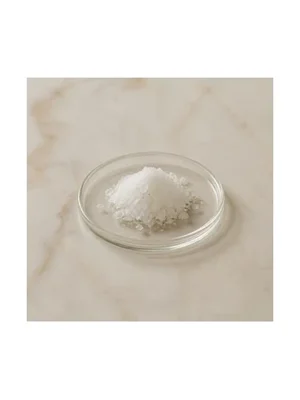
Damascone
Note Profile
About
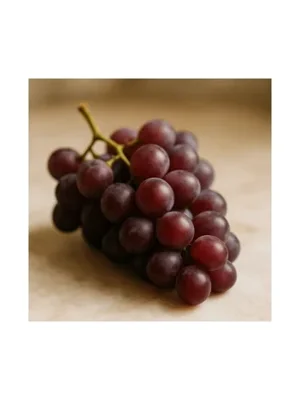
A rose ketone. Used without an isomer name the term maps onto beta-damascone, CAS 23726-91-2, the commercially dominant form. It smells of stewed plum and blackcurrant over a rose-floral core, and turns dry and tobacco-like within minutes.
Scent Profile
Fruity is the lead facet and both a manufacturer and a trade glossary put it first: plum and blackcurrant, described as overripe and denser than any fruit ester. Floral is the rose-like character IFF names in its own compendium copy. Tobacco_hay is the dry warm tobacco leaf that emerges within minutes, named by both sources. Honeyed is the honey undertone IFF lists and the glossary repeats as faintly honeyed. Green and dry_woody are the green and woody facets in the IFF line, both held as undertones because that is how the source ranks them. Boozy is the wine-like undertone. Sweet_vanillic is the jam-preserve sweetness. Mineral is held because the metallic brightness is stated to be absent from this isomer and present in alpha; that is a stated absence, not an unmentioned facet.
ScentWheel
Read off the wheel, not a label applied to the note.
Origin
First identified in Bulgarian rose oil, where the damascones and damascenone occur at trace level and account for much of the smell of the oil. All perfumery material is synthetic. Damascones are made from routes based on alpha-ionone chemistry, and the family takes its name from Rosa damascena.
Usage in Perfumery
Attested on 10 Fragrantica note listings and 6 Parfumo entries across 4 brands. Used at very low levels because the odour threshold is low. It gives dark-fruit body and a rose lift to floral, chypre and fruity structures, and it is a standard part of a modern rose reconstruction.
Similar Notes
Perfumes featuring Damascone
A selection of reviewed perfumes where Damascone appears prominently.
No perfumes featuring this note have been reviewed yet. Check back soon.