Fruit Tea
Note Profile
About
Fruit tea is scored as the drink, because no fragrance house sells a material under this name. Two different drinks answer to it and the sources could not settle which one perfumers mean. One is a fruit tisane with no tea leaf in it at all, built on hibiscus, rosehip, blackcurrant and berries. The other is black or green tea flavoured with fruit. The vector is written to sit between them rather than to pick one. Fruity leads because both drinks are fruity. Sour is second because both sources reach for acidity independently: Wikipedia states that 'fruit or fruit-flavored tea is usually acidic', and Fusion Teas calls hibiscus, the anchor of most fruit tisanes, 'bold, tart' with a 'cranberry-like flavor'. Tobacco_hay sits with the widest spread in the vector, 0.30, because that is the facet the two readings disagree about. A fruited black tea would carry it near black-tea's 0.60. A tisane would carry none of it.
Scent Profile
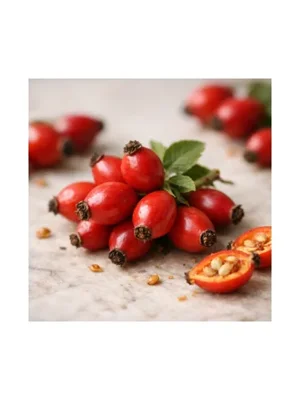
Fruity leads and is the one thing both readings of this note agree on. It is red and tart rather than ripe: cranberry, blackcurrant, berries and rosehip, which is why it is set below red-fruits and above iced-tea's. Sour is second and it is sourced twice over from two independent places, Wikipedia on acidity and a tea retailer on hibiscus. It is held under hibiscus's own 0.62 because a blend dilutes the calyx. Tobacco_hay is the tea leaf and it is the honest middle of a disagreement, not a measurement. If the note means fruited black tea it should be near 0.60. If it means a caffeine-free tisane it should be 0. The spread on it is 0.30, the widest in the vector, and that is what the spread is for. Floral is the blossoms the sources name in the blend, hibiscus, rose and mallow, plus Fusion Teas' 'aroma and bouquet of colorful blossoms and fruit'. Below the level worth naming: citrus for the orange zest and lemongrass on Wikipedia's ingredient list; sweet_vanillic and honeyed for the sugar that goes in the cup; green; tropical for the papaya; warm_spice for the cinnamon and aromatic_herbal for the peppermint, both named in the same list; dry_woody, smoky and leather carried thin from the tea-leaf reading; and trace powdery, earthy, clean_musk, lactonic and aquatic_ozonic.
ScentWheel
Read off the wheel, not a label applied to the note.
Origin
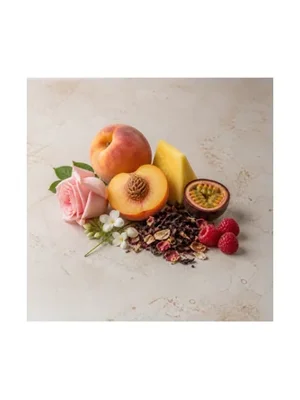
A brewed drink. A fruit tisane is dried fruit, hibiscus calyces, rosehip and berries steeped in hot water, with no Camellia sinensis. A fruit tea in the other sense is real tea leaf with fruit flavouring added. Wikipedia lists the usual blend components as apple, rose hips, orange zest, papaya, peppermint, liquorice root, lemon grass, cinnamon, blackcurrants, rose and mallow blossoms. No supplier catalogue was found selling a fragrance material called Fruit Tea. Related names exist in candle and soap catalogues, such as High Tea, Bubble Tea and Iced Dragon Fruit Tea, but they are different terms and were not used as evidence for this one.
Usage in Perfumery
Measured 2026-08-23: 4 placements on Fragrantica, filed under Beverages, and none in the local Parfumo snapshot. Fragrantica publishes no odour profile text for the note, only the group and the count. Use it where a tart red fruit infusion is wanted with a hint of leaf underneath. Use iced-tea instead for lemon and peach syrup over cold tea, and black-tea or ceylon-tea when the tannin is meant to lead.
Similar Notes
Perfumes featuring Fruit Tea
A selection of reviewed perfumes where Fruit Tea appears prominently.
No perfumes featuring this note have been reviewed yet. Check back soon.