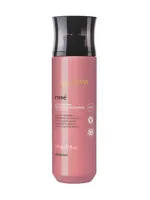
Rosé
Body Spray · 2020
O Boticário
Favourite
Note Profile
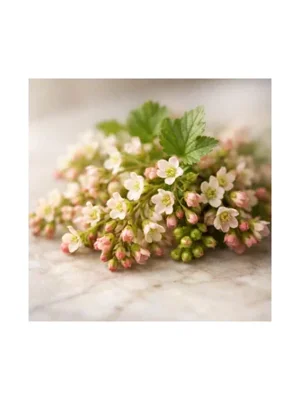
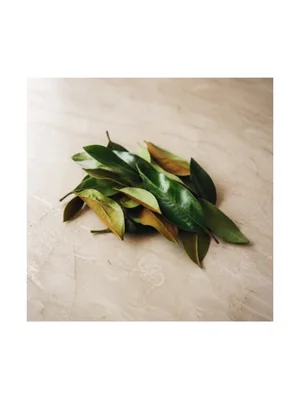
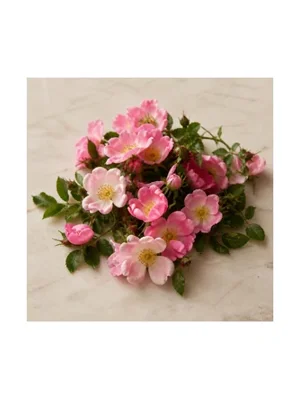
Wild hedgerow rose read through its apple-scented leaves. Tart and green first, lightly floral second.
Eglantine Rose smells green first, an apple-like freshness from its leaves rather than its flowers. A tart, unripe-fruit sharpness runs alongside it. A light floral note sits underneath, a simple, quiet rose rather than a heady cultivated one. A faint whisper of clove-like spice shows at the very back.
Read off the wheel, not a label applied to the note.
Tap a perfume to see where Eglantine Rose sits in it. The rest of the picture goes grey
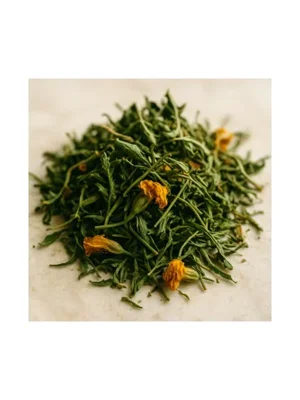
Eglantine is Rosa rubiginosa, the sweet briar of European hedgerows, now also grown in Chile and South Africa. The scent the name refers to is not in the flower. It is in the glandular hairs on the foliage, which give the plant its English name: sweet for the apple smell of the leaves, briar for the thorns. Piesse's Art of Perfumery recorded in 1857 that the plant does not repay the labour of collecting its odour and that what the trade sold as eglantine was a compound built on rose pomatum. No modern supplier sell-sheet for a Rosa rubiginosa extract was found, so the note as used today is best treated as a reconstruction.
Used to put a wild, unripe edge on a rose. It reads as hedgerow rather than as bouquet, so it works where a cultivated rose absolute would be too rich or too sweet. The apple-green top makes it a natural bridge between fruit and floral material, and the faint clove from the hips gives it a small spiced tail. Suited to green florals, chypres and any composition that wants a rose that has not been to market.
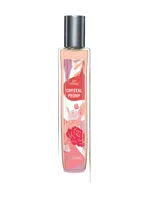
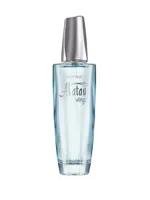
A selection of reviewed perfumes where Eglantine Rose appears prominently.
New finds, honest verdicts, and price drops.
No spam. Unsubscribe anytime. See our privacy policy.