hexyl acetate
Names this moleculeCAS 142-92-7
The note name IS the molecule - hexyl acetate, CAS 142-92-7.
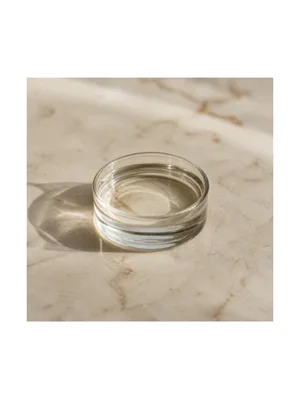
Note Profile
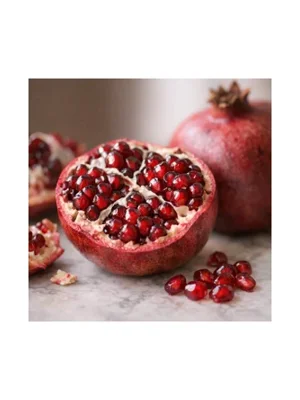
Hexyl Acetate is a volatile synthetic ester that delivers a bright, crisp green-apple and unripe-pear character with juicy, mouth-watering freshness. It is widely used as a top-note modifier in fresh, fruity, and floral compositions, prized for its clean, naturalistic fruit profile and exceptional blending versatility. The material is valued for its ability to lift heavy or cloying accords while maintaining sophistication and avoiding an artificial character.
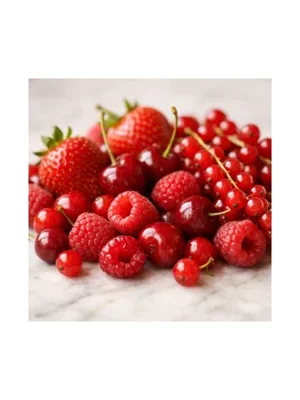
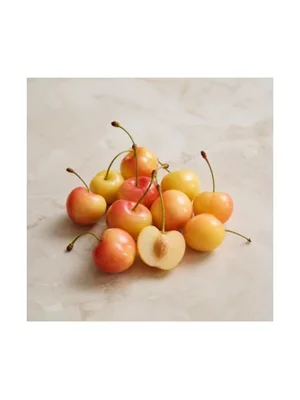
Hexyl Acetate opens with an immediately recognizable burst of crisp green apple and pear, accompanied by a watery, juicy character that evokes biting into fresh, unripe fruit. The profile includes subtle floral undertones reminiscent of lily of the valley and magnolia, alongside mild berry nuances, creating a refined fruity-sweet impression. Unlike heavier fruity esters, it remains clean and sharp, never becoming cloying or overly synthetic, with a characteristic green clarity that enhances naturalism in fruit accords.
Read off the wheel, not a label applied to the note.
CAS 142-92-7
The note name IS the molecule - hexyl acetate, CAS 142-92-7.
Hexyl Acetate is a synthetic aliphatic ester formed through the esterification of n-hexanol and acetic acid (molecular formula C8H16O2). Although it occurs naturally in trace quantities in apples, pears, strawberries, peaches, and roses, it is manufactured synthetically for fragrance use via chemical synthesis. The compound's low molecular weight (144.21 g/mol) and high vapor pressure (0.91 mm Hg at 23°C) contribute to its exceptional volatility and diffusive properties.
Hexyl Acetate functions as a highly volatile top-note modifier with approximately 5 hours of persistence on a smelling strip. Perfumers employ it strategically in fresh, fruity, citrus, and white-floral compositions, typically% average use in fragrance compounds. It blends exceptionally well with aldehydes, citrus oils, other fruity esters, and floral materials, where it serves as a naturalizing agent and diffusion enhancer, preventing synthetic or heavy components from dominating the composition.
A selection of reviewed perfumes where Hexyl Acetate appears prominently.
No perfumes featuring this note have been reviewed yet. Check back soon.
New finds, honest verdicts, and price drops.
No spam. Unsubscribe anytime. See our privacy policy.