
Lilacs & Gooseberries
EDP · 2021
Shay & Blue London
Favourite
Note Profile
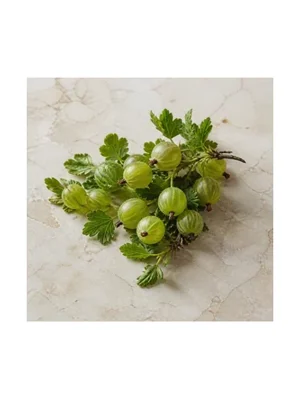
Gooseberry is a built accord, because no gooseberry extract exists for perfumery. It smells tart and green, like a firm, unripe berry. In the fresh fruit, the green comes from leaf aldehydes such as (Z)-3-hexenal. The fruit comes from short esters such as ethyl butanoate. It is used mainly as a top note.
Gooseberry smells tart and green, like a firm, unripe berry. A cut-leaf green sits over a light, juicy fruit. It is not sweet. Some accords borrow a faint catty edge from blackcurrant. In the drydown the green stays and the tartness softens.
Read off the wheel, not a label applied to the note.
Tap a perfume to see where Gooseberry sits in it. The rest of the picture goes grey
The fruit of the European gooseberry, Ribes uva-crispa, a relative of the currants. It is not the Indian gooseberry (amla) or the Cape gooseberry (Physalis). No extract is made for perfumery. Perfumers build the note from green materials such as cis-3-hexenol and from fruity esters.
Used mainly as a top note, to give a tart, juicy, green lift. It blends with green, citrus and fruity notes and with white florals, in fresh and fruity-floral perfumes. It can also sit in the heart, as in Shay & Blue Lilacs & Gooseberries.
Perfumers known for using Gooseberry include
Prin Lomros, Alberto Morillas, Bertrand Duchaufour, and Christine Nagel
A selection of reviewed perfumes where Gooseberry appears prominently.
EDP · 2021
Shay & Blue London

EDC · 2013
Jo Malone London

EDP
Perfume Parlour

EDP · 2021
Jo Malone London
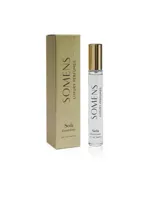
EDP
Somens
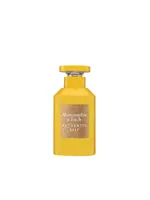
EDP · 2023
Abercrombie & Fitch
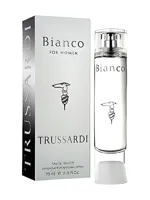
EDT · 2006
Trussardi

EDP · 2023
Karl Lagerfeld
EDT · 2018
Brocard

EDT · 2021
Marc Jacobs
New finds, honest verdicts, and price drops.
No spam. Unsubscribe anytime. See our privacy policy.