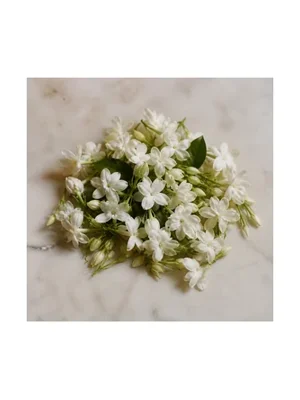
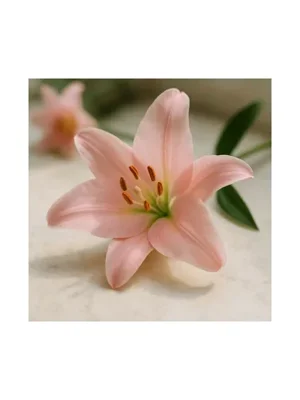
Hexyl Cinnamal is a synthetic fragrance ingredient with a soft, sweet, floral scent, closely resembling jasmine. It imparts a gentle, airy freshness to compositions, brightening floral bouquets and often enhancing the impression of natural blossoms. Frequently used in both fine fragrance and cosmetic products, it is valued for its pleasant floral tones and versatility.
Scent Profile
Hexyl cinnamal has a clean, sweet floral smell close to fresh jasmine petals, with a faint green and slightly fruity edge. A soft, fatty waxy quality sits underneath, giving the flower a rounder body. It brings a luminous, airy lift to a blend and dries down warm and balsamic, with none of the spicy bite its name suggests.
Read off the wheel, not a label applied to the note.
What this is made of
2-benzylideneoctanal
Names this molecule
CAS 101-86-0
Held as `2-benzylideneoctanal` on CAS 101-86-0 - the systematic name for hexyl cinnamal, which IDENTITY.md rule 2 names as one of the exact cases where a name lookup fails and a CAS lookup succeeds. The old evidence was self-falsifying: it said 'we hold it in the regulatory layer but not as a material row', and the material row exists. Corrected 2026-08-18 by re-running the identity ladder over every material_not_held edge.
Declarable allergen
Named in EU Annex III as Hexyl cinnamalproducts must list this name above a set concentration
Restricted
An IFRA Standard limits how much of this a perfumer can usethe limit applies to the perfumer, not the wearer
These are facts about the substance, not about any perfume with this note.
Why that matters
A perfume that names Hexyl Cinnamal can use a different extract, a
reformulated version, or a synthetic reconstruction. It can also hold less
than the amount that requires a declaration. We cannot tell which applies.
These rows cover only the substances we hold a link for.
Hexyl Cinnamal is a synthetic aromatic compound, produced through chemical synthesis rather than direct extraction from plants. It is structurally related to cinnamaldehyde and is widely used in both perfumery and cosmetic formulations. Its consistent quality and stability make it a reliable ingredient for large-scale fragrance production.
Usage in Perfumery
Perfumers typically use Hexyl Cinnamal in the heart of floral accords, especially those built around jasmine, muguet, or other white flowers. It blends well with other floral, green, and citrus notes, enhancing brightness and naturalness in both feminine and unisex fragrances. Its role is often to provide lift and diffusion, supporting the overall floral character of a scent.
A selection of reviewed perfumes where Hexyl Cinnamal appears prominently.
No perfumes featuring this note have been reviewed yet. Check back soon.
We count visits to see which pages help people and to improve the site.
No advertising, and no tracking across other sites.
Read our cookie policy
Cookie Preferences
Analytics is on unless you switch it off here. Essential cookies cannot be
disabled as they're required for the website to function.
Always On
Required for the website to function. Includes session management and security tokens.
Counts visits and which pages people use, so we can improve the site. We use
Google Analytics with its advertising features switched off, plus our own
cookieless visit counter. Switching this off stops both.