

Ironleaf
Extrait
Oakcha
Favourite
Note Profile
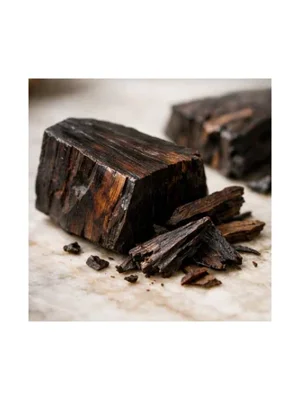
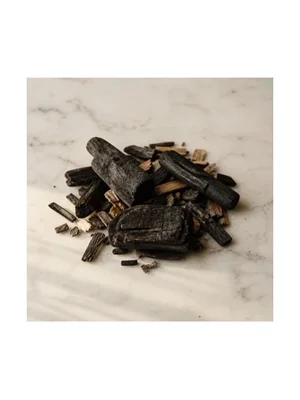
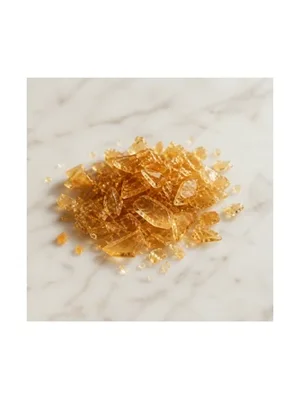
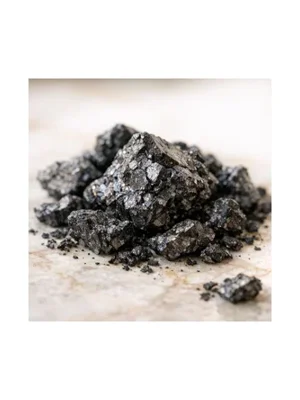
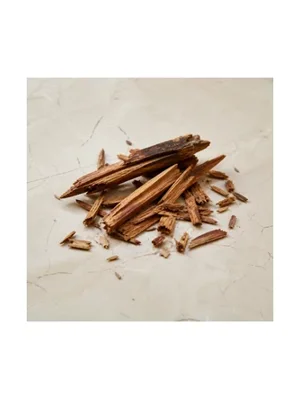
A dense, dry woody note built as an accord rather than distilled from one tree. It reads as hard, mineral heartwood with a tarry smoke edge and almost no sweetness.
Ironwood smells dense and dry, hard mineral heartwood rather than a soft or sweet wood. A stony, dusty mineral edge runs through it, like old workshop wood soaked in varnish. A resinous, amber warmth sits underneath, heavier than cedarwood and less sweet than sandalwood. A tarry, smoky edge and a faint earthy, vetiver note round it out, with a light leather undertone at the base.
Read off the wheel, not a label applied to the note.
Tap a perfume to see where Ironwood sits in it. The rest of the picture goes grey
Ironwood is a trade name, not a species. Premiere Peau lists at least three unrelated trees that carry it: Eusideroxylon zwageri (Borneo ironwood), Guaiacum species (lignum vitae) and Olneya tesota (desert ironwood). All are named for extremely dense heartwood, not for a shared smell. No manufacturer data sheet for a material called Ironwood was found. Premiere Peau says the perfumery note is a constructed accord of guaiac wood, cedryl acetate, vetiver and woody-amber molecules, which is consistent with the absence of any traded oil under the name.
A base note used for structure. Premiere Peau says it anchors heavy woody, leather and incense compositions and gives a backbone without the creamy sweetness sandalwood brings or the green root character vetiver brings. It appears in 6 Parfumo entries across 4 brands and 3 Fragrantica entries.
A selection of reviewed perfumes where Ironwood appears prominently.
New finds, honest verdicts, and price drops.
No spam. Unsubscribe anytime. See our privacy policy.