Laburnum
Note Profile
About
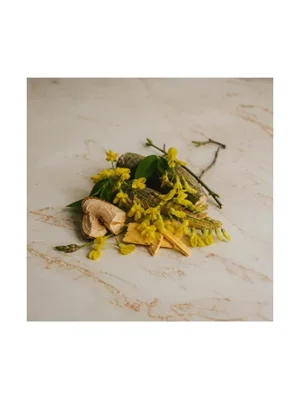
Laburnum is a fantasy note with no material behind it. Every part of the plant is poisonous, it contains cytisine, and no commercial essential oil or absolute exists, so what perfumery calls laburnum is a reconstruction of a flower nobody distils. Two sources describe the smell and they lean different ways. A perfumery glossary calls it sweet, honeyed and sunny, 'similar to of honey and warm sunshine', bright and uplifting, with a soft green undertone. A horticultural guide describing the living tree calls it 'sweetly fragrant, a sort of a pleasing woodsy scent some think is reminiscent of violas' - cooler and less sweet. Both agree it is faint rather than loud, and both put green underneath the sweetness. The vector splits the difference: floral leads, honeyed follows, and neither is pushed to the level a real absolute would earn.
Scent Profile
Floral leads and is the only thing both sources agree is the main event, a light pea-blossom shape rather than an indolic or fleshy one. Honeyed comes from the glossary's honey-and-warm-sunshine framing and its claim that the honeyed side strengthens as the note develops. It is held well below broom's 0.82 because the same source calls the whole thing faint and mild, and the horticultural source does not report honey at all. Green is the 'green-edged' and 'soft, green undertone' both sources name. Below the line, sweet_vanillic carries the plain sweetness, and powdery with a trace of dry_woody carries the 'woodsy... reminiscent of violas' impression that has no clean facet in this vocabulary.
ScentWheel
Read off the wheel, not a label applied to the note.
Origin
Laburnum anagyroides and Laburnum x watereri, deciduous trees of the pea family Fabaceae, native to central and southern Europe. The old poetic name is golden chain tree, after the dense hanging racemes of brilliant yellow flowers that open in spring. The flowers are the fragrant part. The seed pods are extremely poisonous and all parts of the plant are toxic, which is why no extraction is attempted. Perfumery reconstructions build the note from other floral materials rather than from the plant.
Usage in Perfumery
8 Fragrantica placements, none on Parfumo. Fragrantica files it under Flowers. A heart note of medium strength used to add a light spring-floral lift, working with jasmine, lilac and orange blossom, and with green notes that sharpen it. It also sits over sandalwood or amber bases, where its sweetness balances the warmth.
Similar Notes
Perfumes featuring Laburnum
A selection of reviewed perfumes where Laburnum appears prominently.
No perfumes featuring this note have been reviewed yet. Check back soon.