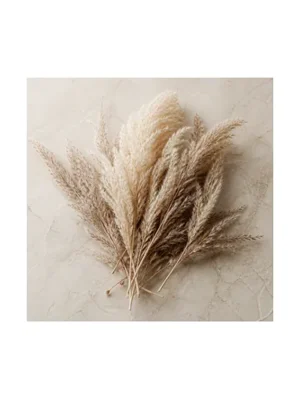
Pampas Grass
Note Profile
About
Pampas grass is the plume and blade of Cortaderia selloana, and it is a dry grass rather than a fresh one. No supplier sells it as a raw material and no source describes an isolated pampas grass extract. Every description found reads it as sun-bleached grassland: dusty, hay-adjacent, earthy, with a sour-green edge left over from the living blade. It is not the cut-lawn green already published under grass.
Scent Profile
Green leads, but it is the green of a standing dry blade, not of cut lawn. The one perfume review calls it 'sparkling sour-green' and then 'fleshy... like cacti', so the green is held well under the that plain grass carries. Tobacco_hay is the facet both suppliers state by placement rather than adjective: DOOP files it with 'Field Hay' and Hive & Honey with 'Hay, Tobacco'. It is set below hay's own 0.92 because nothing here calls pampas grass sweet or coumarinic, and that is exactly what separates it from sweet-grass. Earthy comes from DOOP's 'earthy and woody' opening and its 'Earthy Stems'. Sour is the Fueguia review's word, used first and used twice, and it is the only facet that comes from a description of an actual perfume rather than a candle oil. Dry_woody is the 'woody' in the same DOOP sentence and the stem going to straw. Mineral is the dust and the 'Dry Air' the same supplier lists next to it, the hot open ground under the plume. Below the naming line, powdery and clean_musk carry the sun-bleached softness both suppliers finish on, and sweet_vanillic is held on purpose.
ScentWheel
Read off the wheel, not a label applied to the note.
Origin
Cortaderia selloana is a large tussock grass from the pampas of Argentina, Chile and Brazil, grown worldwide as an ornamental for its silver plumes. It is wind-pollinated, so it has no reason to smell of anything, and the horticultural references checked for this dossier (RHS, Gardenia.net, NC State Extension) describe only its appearance and never its odour. There is no pampas grass essential oil, absolute or CO2 extract in trade. What the note names is therefore a reconstruction, and the three sources that describe one all reach for the same picture: dry blades and plumes in a hot open field. A Parfumo review of Fueguia 1833's 'Pampa Seca', the one fine fragrance found carrying the note, opens it as 'the sparkling sour-green scent of pampas grasses' turning into 'green, fleshy notes that remind me of the fresh smell of cacti'. Two candle fragrance-oil suppliers place it in the heart beside hay: DOOP lists 'Dried Pampas Grass, Earthy Stems, Field Hay' and calls the opening 'earthy and woody, reminiscent of the windswept fields', while Hive & Honey sets 'dusty pampas grass' next to hay, tobacco and patchouli.
Usage in Perfumery
Parfumo records 4 placements across 2 brands. Fragrantica records none. It is used as a dry landscape note, the grassland that a scene is set in rather than a material with its own arc. Both suppliers who list it put it in the middle of the pyramid, kept deliberately apart from a fresher grass note above it. DOOP's own pyramid runs 'Wild Grass' in the top and 'Dried Pampas Grass' in the heart, which is the clearest statement in this evidence that the two are not the same smell.
Similar Notes
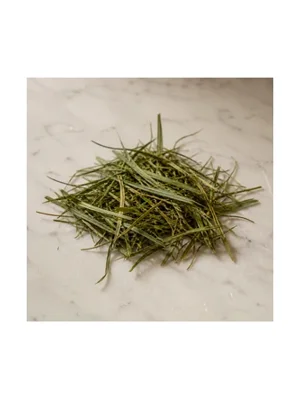
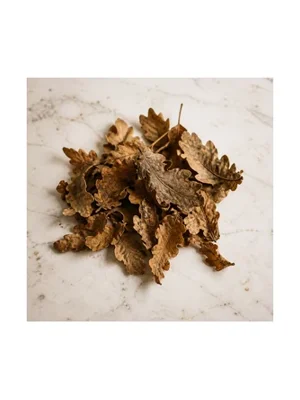
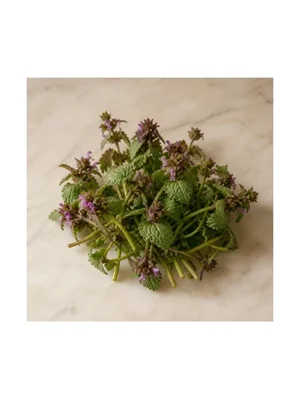
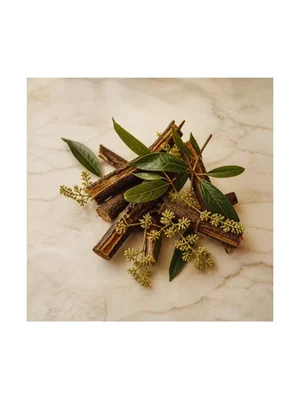
Perfumes featuring Pampas Grass
A selection of reviewed perfumes where Pampas Grass appears prominently.
No perfumes featuring this note have been reviewed yet. Check back soon.