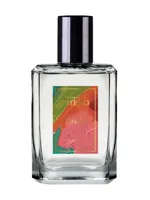
Ginga
EDP · 2022
Phebo
Favourite
Note Profile
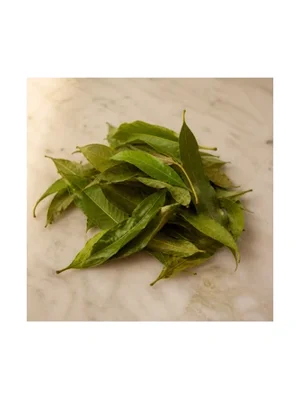
Mango tree is the leaf note of Mangifera indica, not the fruit and not the timber. Every material sold under a mango-tree name is a leaf product. It smells of crushed green leaf, new leather and warm tropical air, and it does not smell of mango juice.
Mango Tree smells of crushed green leaf, almost like green tea rather than anything juicy. A full, new leather note sits behind it, dry rather than worn, like walking into a shoe shop. Warm tropical air runs alongside, more sunshine and rind than fruit flesh. Underneath sits a dry, balsamic wood, a dried-grass, hay-like edge and a soft amber warmth, with an aromatic, herbal greenness running through the middle. It does not smell of mango juice at all.
Read off the wheel, not a label applied to the note.
Tap a perfume to see where Mango Tree sits in it. The rest of the picture goes grey
Mangifera indica, an evergreen tree of the Anacardiaceae grown across South Asia, Southeast Asia and tropical America. The perfumery material is a leaf absolute, made by solvent extraction of the leaves and sold green in colour, usually diluted to 50% in triethyl citrate. Steam-distilled leaf oils are also offered. The Wood Database records the timber itself as having no characteristic odour, so nothing here comes from the heartwood.
Used as a tropical floral-leafy note rather than a fruit note. Suppliers pair it with rose, jasmine sambac, sandalwood, green tea and tobacco accords. It is strong and is meant to be worked in dilution.
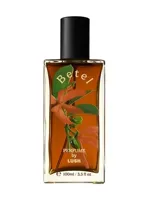
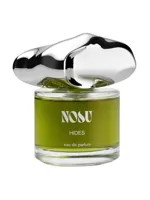
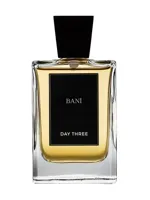
A selection of reviewed perfumes where Mango Tree appears prominently.
New finds, honest verdicts, and price drops.
No spam. Unsubscribe anytime. See our privacy policy.