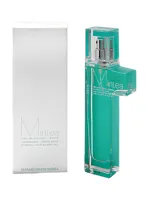
Mintea
EDP · 2006
Masaki Matsushima
Favourite
Note Profile
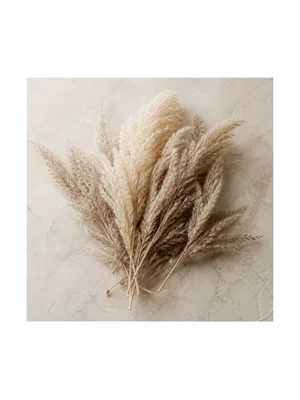
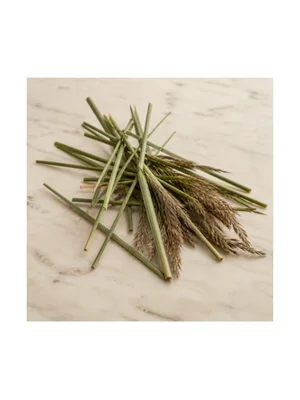
Reed is the dry side of a wetland, not the wet side. Premiere Peau, the one source that describes it, is emphatic about that: papery stalks and sun-baked grass, the vegetal equivalent of parchment, with a warm starchy sweetness that is not sugar. It is not aquatic, and it is not a sharp green in the galbanum sense.
Reed smells dry and hollow, like sun-baked grass stalks rather than fresh-cut lawn. It carries a papery hay character rather than the wet side of a wetland. Green stays well behind that, less green than fig leaf. A dry wood note sits alongside it too, papery rather than sawn timber, with a faint powdery, starchy quality.
Read off the wheel, not a label applied to the note.
Tap a perfume to see where Reed sits in it. The rest of the picture goes grey
The source states that no commercial essential oil or absolute of reed exists in standard supply chains, so the note is compounded rather than extracted. It names the construction as cis-3-hexenol, Cashmeran, vetiver and traces of lemongrass, with an optional trace of Calone or Hedione. The plant behind the name is Phragmites australis, the common reed of river and marsh margins, or the cattail stalks that grow beside it.
An atmospheric note for marshland and riverbank settings. It works heart to base as a green note that is drier and less sharp than galbanum and less aquatic than water lily. Fragrantica lists 29 placements and files it under greens, herbs and fougeres. Parfumo does not carry the term.
A selection of reviewed perfumes where Reed appears prominently.
New finds, honest verdicts, and price drops.
No spam. Unsubscribe anytime. See our privacy policy.