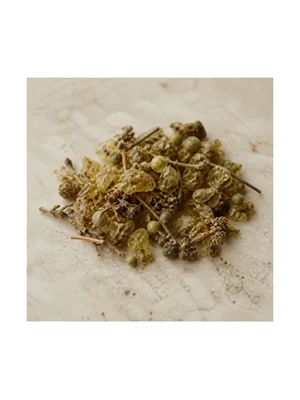
Terebinth Tree
Note Profile
About
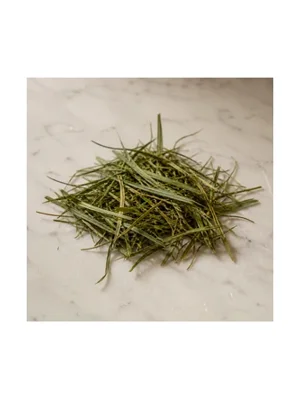
Terebinth is Pistacia terebinthus, the Mediterranean tree that gave turpentine its name. The note is the resin and the aromatic trunk, not the leaf. It is resinous and warmly balsamic with a terpene bite on top. It is softer and rounder than pine turpentine, and warmer and less fresh than mastic.
Scent Profile
Amber_resinous leads and both sources put it first. Premiere Peau opens with 'Resinous, turpentine-sharp, and warmly balsamic' and Wikipedia states flatly that 'all parts of the plant have a strong resinous smell'. Dry_woody is the turpentine sharpness read as timber and terpene rather than as balsam, and it is held below the published turpentine note at 0.75 because the trade source says terebinth is 'softer and more rounded than modern pine-derived turpentine'. Aromatic_herbal is the 'bright terpene bite' and the 'terpene freshness' the same source names twice. Sweet_vanillic is the 'soft, balsamic warmth' underneath, and the reason this note is set warmer than mastic: Premiere Peau says terebinth resin 'is warmer and less fresh' than mastic. Below the line: cooling_mentholic for the alpha-pinene and beta-pinene sharpness alone, cut from 0.22 because it was also carrying Wikipedia's 'medicinal'; phenolic now holds that word, and it rests on one bare adjective from the weaker source, so its bar is wide; green, which no source states and which is carried only by the Fragrantica group placement, so it has the widest spread in the vector; earthy, citrus for the terpene brightness, mineral for the dry bitterness Wikipedia calls 'bitter'.
ScentWheel
Read off the wheel, not a label applied to the note.
Origin
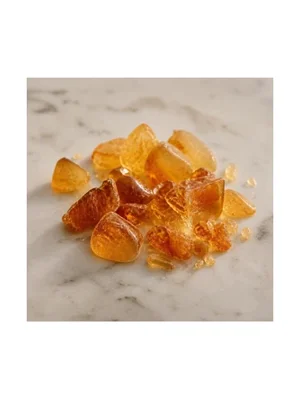
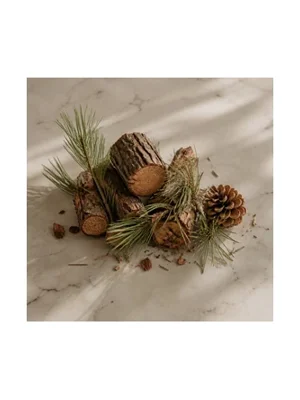
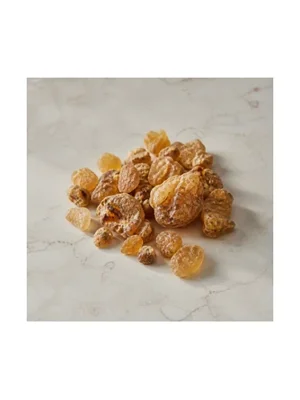
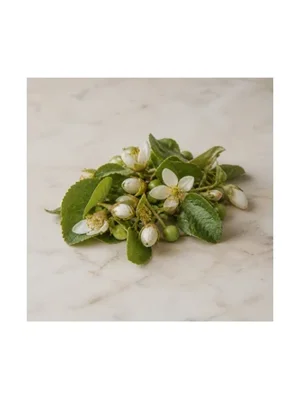
Sap and wood of Pistacia terebinthus, a small tree of the Aegean, the Levant and the western Mediterranean, in the same genus as mastic (P. lentiscus) and pistachio (P. vera). Its tapped resin is the historical Chian or Cyprus turpentine. Wikipedia records that all parts of the plant have a strong resinous smell and that the grey trunk is very aromatic. No modern supplier listing for a terebinth oil or absolute was found.
Usage in Perfumery
A historical Mediterranean resin note. It gives an incense, fougere or conifer base a turpentine cut without the vanilla weight of a benzoin or the sweetness of a labdanum. Use it where a composition wants classical or ancient character rather than a modern pine freshness.
Similar Notes
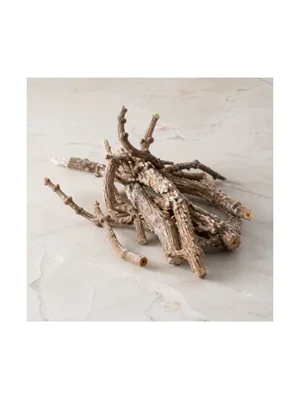
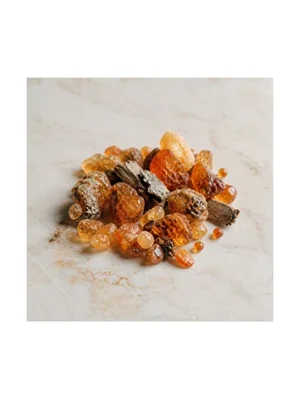
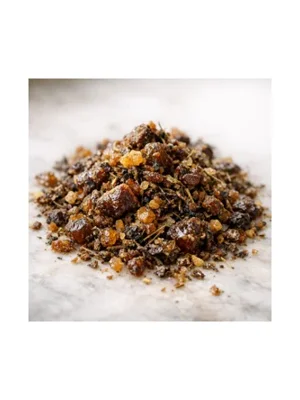
Perfumes featuring Terebinth Tree
A selection of reviewed perfumes where Terebinth Tree appears prominently.
No perfumes featuring this note have been reviewed yet. Check back soon.