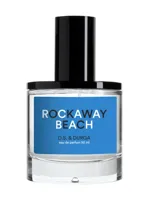
Rockaway Beach
EDP · 2020
D.S. & Durga
Acquired
Note profile
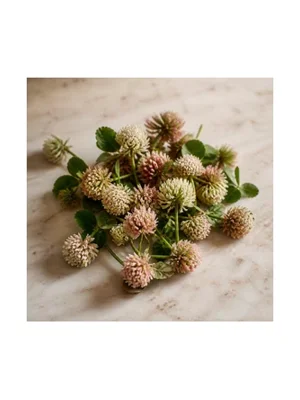
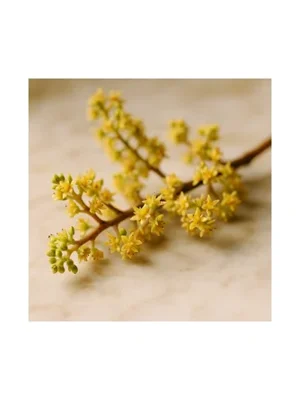
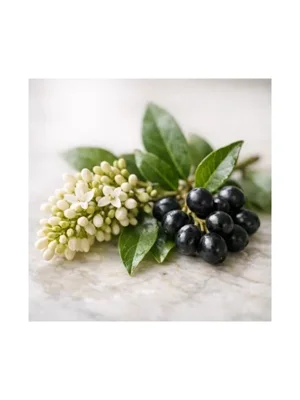
Privet is a note based on Ligustrum hedges, with their small ivory flowers and glossy dark leaves. The plant gives little usable extract, so perfumers build the note as an accord. Perfume sources read it as green and fresh, like a clipped hedge, with the honeyed sweetness of the flowers. The living flowers are heavy and pungent, and some people smell an animalic, bodily note in them that divides opinion.
Privet smells green and sweet at once. The leaves give a dark, sappy, leafy green. The flowers add a thick, honeyed sweetness. Close to the blooming hedge a pungent, animalic note appears, and it divides opinion. Worn as perfume, it can turn soft and powdery. It carries a heavy white-flower sweetness, like jasmine, and a faint waxy, fatty body underneath.
Read off the wheel, not a label applied to the note.
Tap a perfume to see where Privet sits in it. The rest of the picture goes grey

Privet is usually an accord, a blend of several materials, such as:
Smell words come from published sources.
A given perfume with this note may use this material, or something else.
Privet is the scent of Ligustrum species, grown as hedges. The plant gives little usable extract, and natural privet is rarely used commercially. The note is an accord. A trade privet base reads green, leafy and sappy. Glossaries build the flower side from honeyed florals and indole.
Perfumers use privet in green florals and garden themes. Goutal's Eau de Camille sets it with ivy, honeysuckle, lilac and cut grass. Demeter Privet and Hampton Sun Privet Bloom (2008) are named for it. It gives a leafy green freshness and a sweet, honeyed flower in the heart.
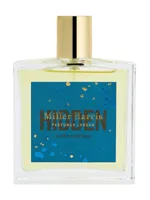
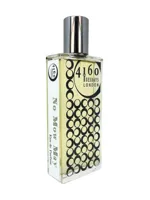
A selection of reviewed perfumes where Privet appears prominently.
Get the verdict in your inbox
New finds, honest verdicts, and price drops.
No spam. Unsubscribe anytime. See our privacy policy.
Are you sure?