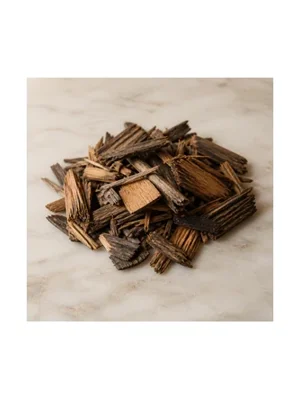
Smoked Cedar
Note Profile
About
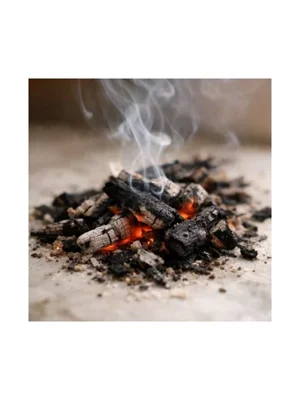
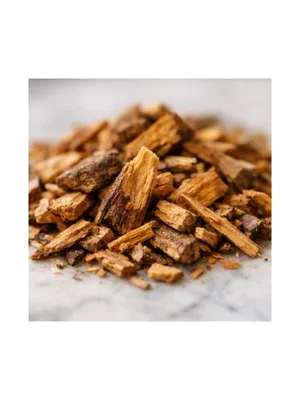
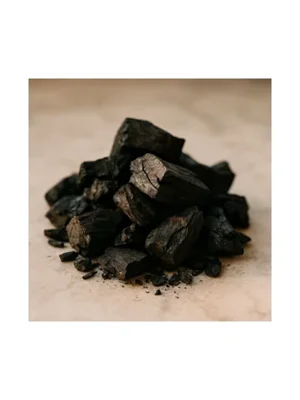
Smoked cedar is cedarwood with the smoke left in. It names the smoky pole of the cedar family rather than a new wood. Plain cedar is described as dry and pencil-sharp and its sources never mention smoke. Texas, Chinese and Alaskan cedarwood oils all do.
Scent Profile
Dry_woody leads and the note stays cedar first. Every source describes a cedarwood, not a bonfire: ScenTree calls Texas cedarwood 'a natural cedarwood note' before it mentions smoke at all, Alaska cedarwood 'brings a dry facet of wood chips', and Premiere Peau's cedarwood entry is dry, pencil-sharp and slightly resinous. Smoky is high and runs alongside the wood rather than behind it. Three separate ScenTree pages carry it independently, and one of them treats the smoke as strong enough to downgrade the oil commercially, which is a harder claim than a marketing adjective. It is held below dry_woody because putting smoke on top would make this the published smoke or burning-wood note instead of a cedar. Leather is the single facet ScenTree uses to tell Texas cedarwood apart from the other smoky cedars, 'its particular leathery smell', so it is real but secondary. Under the naming line, amber_resinous carries the resin that Premiere Peau names and the amber base of the commercial accord, creamy_woody is the Atlas-side warmth, and small earthy, fresh_spice, green and tobacco_hay facets carry the wood chips, the crisp green and spicy tail in ScenTree's Alaska classification, and the clove and pepper the accords are built with.
ScentWheel
Read off the wheel, not a label applied to the note.
Origin
Two routes lead to the same note and the sources do not separate them. The first is natural. ScenTree says Texas cedarwood 'brings a natural cedarwood note with an important smoky character', files Alaska cedarwood under 'Woody > Cedar > Smoky Woods', and reports that Chinese cedarwood is used 'to give a dry and smoky effect' while being 'considered a poor quality cedar because of its smoky note' and cheap because it holds very little cedrol. The second is compounding. Commercial 'smoked cedar' accords put a separate smoke note next to cedarwood, as in Midwest Fragrance Company's listing, which builds a cedarwood middle with oud and smoke over patchouli and amber. No manufacturer olfactive sheet for a material sold as 'smoked cedar' was found.
Usage in Perfumery
Use it where plain cedar reads too clean. It gives a woody spine that already carries char, so a composition does not need a separate smoke material fighting the wood for the same space. Chinese cedarwood is dosed as a trace for exactly this. It sits in the base with oud, patchouli, amber and vetiver, and takes clove and pepper well on top.
Similar Notes
Perfumes featuring Smoked Cedar
A selection of reviewed perfumes where Smoked Cedar appears prominently.
No perfumes featuring this note have been reviewed yet. Check back soon.