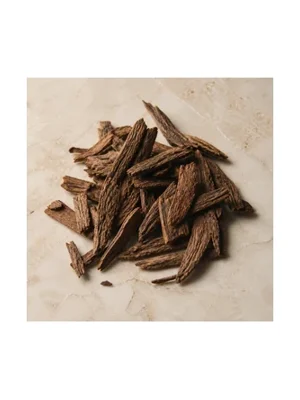
Tree Bark
Note Profile
About
Tree bark is a generic note name, not one material. No species and no commercial extract is behind it. The one thing sources agree on is what it should read as: green, earthy and dry, and specifically not sweet. Real barks diverge widely from each other, so this vector describes the shared impression the name is used to evoke, and it is held loosely.
Scent Profile
Dry_woody leads, because whatever bark a formula means, it is placed as wood and read as wood. Green and earthy sit close behind and come from the only source that states directly what bark ought to smell of, a review faulting a fragrance for lacking 'greenness and earthiness that you would expect' from the setting of a tree. Mineral is the dry dust and cold stone side of a bark surface, and it is the facet that separates this from a sawn-timber note. Below the named line: mossy_chypre for the lichen that lives on bark, amber_resinous for sap at a cut, powdery for the flaking outer layer, cooling_mentholic for the medicinal register aspen bark carries, and a small sour for tannin. Sweet_vanillic is pinned rather than zero because the same reviewer states the absence directly, 'such sweetness you would not associate with the setting of a tree', so the low value is a claim someone made and not an absence assumed here. Every value carries a spread of 0.15 or more, and the four leading facets carry 0.24 to 0.30, because this vector is an average over barks that genuinely do not smell alike.
ScentWheel
Read off the wheel, not a label applied to the note.
Origin
No material is sold as tree bark. The term covers the outer layer of any tree and whatever a perfumer builds to suggest it. The barks that do have named notes do not agree with one another: aspen bark is cold, thin and medicinal, the salicylaldehyde smell next to aspirin; chalood bark is warm, balsamic and spicy; yohimbe is dry and quinine-bitter; thanaka is powdery and sandalwood-like. Cinnamon and cascarilla are also barks and neither smells like any of those. So the name works the way 'roots' works in this vocabulary, as a category rather than a substance, and the same warning applies: the spread inside it is larger than the distance between many separate notes.
Usage in Perfumery
An evocative, non-standardised note name used to place a fragrance in a forest or against a tree. Six Parfumo mentions across five brands and none on Fragrantica. Imaginary Authors lists Tree Bark in Yesterday Haze alongside fig, iris, cream, tonka and walnut bitters, and gives no description of what the note contributes, which is the pattern: the name does the work and the material is left unstated.
Similar Notes
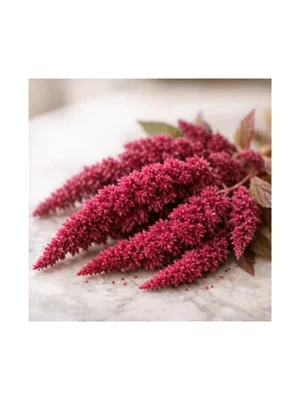
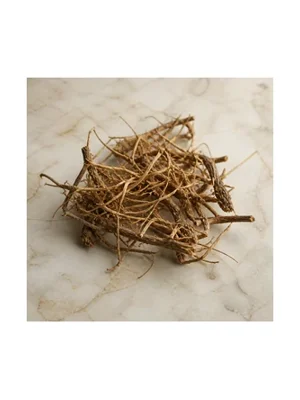
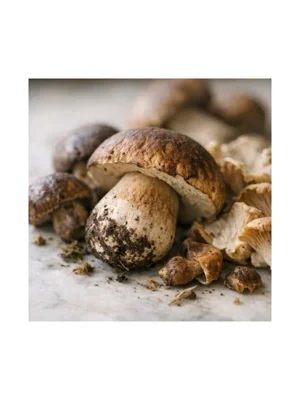
Perfumes featuring Tree Bark
A selection of reviewed perfumes where Tree Bark appears prominently.
No perfumes featuring this note have been reviewed yet. Check back soon.