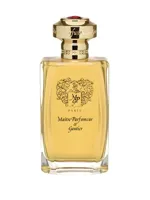
Bois de Turquie
EDP · 2008
Maître Parfumeur et Gantier
Favourite
Note Profile
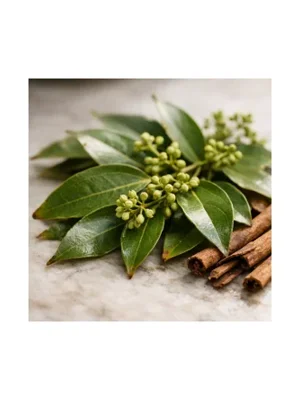
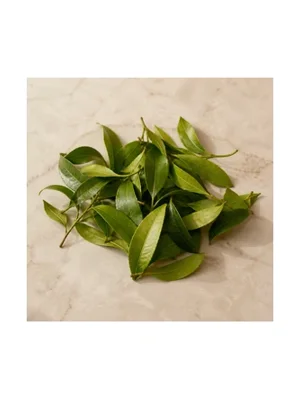
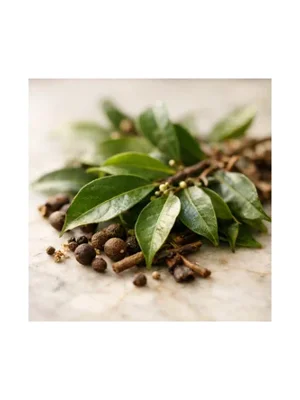
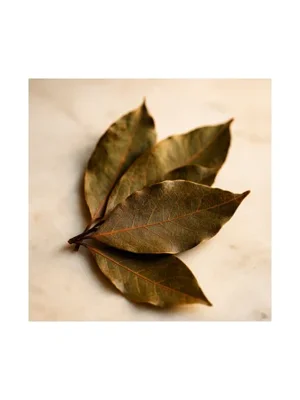
West Indian Bay is the oil of the leaves of Pimenta racemosa, the Caribbean tree behind bay rum. It smells of warm clove with a woody, aromatic edge. Perfumers use it in masculine and unisex scents.
West Indian Bay smells of clove first. The eugenol gives a warm, spicy and slightly medicinal attack, close to a dentist's surgery. Behind it sit warm wood, a lasting sweet-balsamic note and a peppery, aromatic edge. It is rounder and warmer than pure eugenol.
Read off the wheel, not a label applied to the note.
Tap a perfume to see where West Indian Bay sits in it. The rest of the picture goes grey
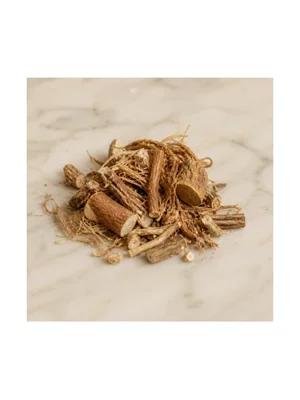
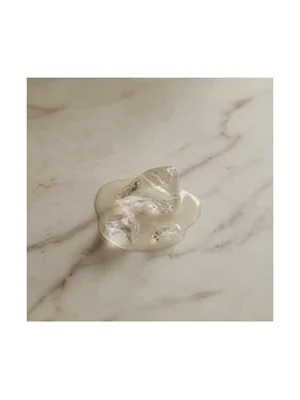
Perfumers can make West Indian Bay from this natural extract.
Smell words come from published sources.
A given perfume with this note may use this material, or something else.
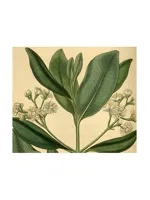
West Indian Bay comes from Pimenta racemosa, an evergreen tree native to the Caribbean. The oil is steam distilled from the leaves. It holds about 40 to 55% eugenol, with myrcene and chavicol. The perfumery oil is the clove type. Other chemotypes smell of lemon or anise. Bay rum was first made by distilling or steeping the leaves with rum. Later recipes added spice and citrus oils, most often clove and lime oil. The tree is not related to Mediterranean bay laurel (Laurus nobilis).
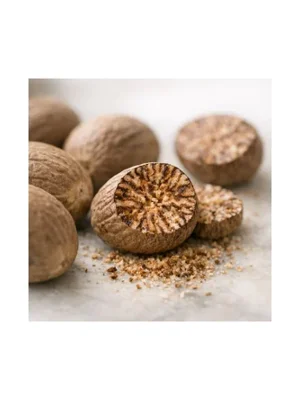
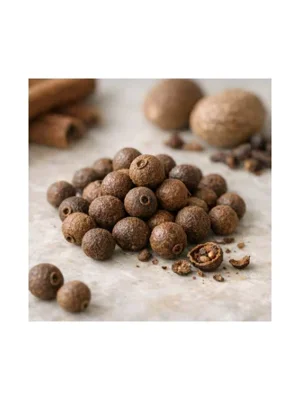
Perfumers use West Indian Bay as a spicy, aromatic heart note. It gives bay rum, barbershop and classic masculine fougère and cologne accords. It blends with clove, cinnamon, allspice, nutmeg, citrus, woods and amber. Dose it with care, because too much reads as medicinal or dental.
Perfumers known for using West Indian Bay include
Mark Buxton
A selection of reviewed perfumes where West Indian Bay appears prominently.
EDP · 2008
Maître Parfumeur et Gantier
EDP · 2009
Comme des Garçons
EDP · 2008
Comme des Garçons
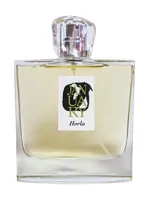
EDP · 2020
January Scent Project
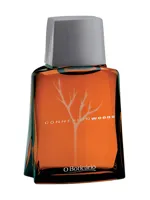
EDT
O Boticário
Parfum · 2012
Olympic Orchids Artisan Perfumes
New finds, honest verdicts, and price drops.
No spam. Unsubscribe anytime. See our privacy policy.