











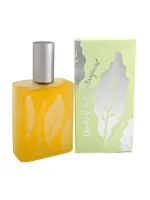
Charles of the Ritz
EDP
Charles of the Ritz
Acquired
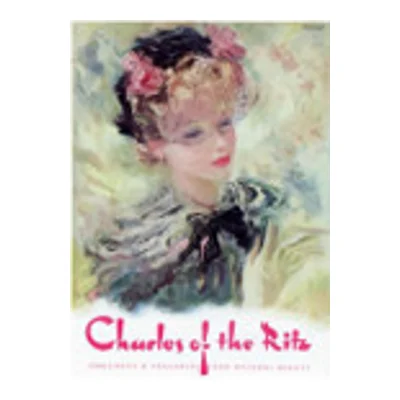
Defunct American salon-born cosmetics house best known today for rich, vintage-style feminine fragrances.
Charles of the Ritz was an American cosmetics and fragrance company that grew out of a beauty salon in the Ritz-Carlton Hotel in New York City. Hairdresser Charles Jundt, who had worked in Paris and London before emigrating to the United States, took over the ladies' salon at the Ritz-Carlton in 1919 and began building a clientele around personalized beauty services. In 1926 he launched cosmetics under the Charles of the Ritz name, initially focusing on face powder and rouge marketed through department and specialty stores.
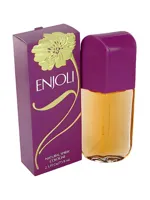
Fragrances were introduced in 1927, with the first perfumes simply labeled A, B, and C, reflecting a functional, almost laboratory-style approach to naming rather than storytelling. Over the following decades the company expanded into a full-scale cosmetics and fragrance house, gaining particular recognition for individually blended face powders and for later fragrance hits like Jean Nate and Enjoli. These mass-appeal launches showed a shift from exclusive salon origins to wide distribution in the American market.
Corporate changes shaped the brand's trajectory. In 1964 it combined operations with French fashion and perfume house Lanvin under the Lanvin - Charles of the Ritz banner, linking American beauty distribution with a European couture heritage. In 1971 the company was sold to Squibb, which later divested Lanvin and renamed the business Charles of the Ritz Group, Ltd in 1978. Yves Saint Laurent, whose fragrances Charles of the Ritz had been marketing since the early 1960s, acquired the firm from Squibb in 1986, consolidating fragrance production and licensing. Ownership eventually passed to Revlon, which discontinued the Charles of the Ritz brand in 2002.
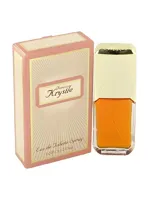
Although the name is no longer active, vintage Charles of the Ritz perfumes are still traded among collectors. Scents such as Charles of the Ritz Original (1977) are remembered for rich white floral and amber compositions with aldehydic, powdery and warm spicy nuances, illustrating the brand's late-20th-century preference for full-bodied, feminine blends typical of that era.
A designer, mid house known for floral compositions.
The brand began as a luxury salon label tied to the Ritz-Carlton, offering custom-blended powders and early, simply named perfumes A, B, and C that emphasized function over narrative. By the 1960s and 1970s, it had shifted toward broader mass-market visibility with widely distributed scents like Jean Nate and Enjoli, reflecting the growth of American drugstore and department-store fragrance. Corporate moves through Lanvin, Squibb, Yves Saint Laurent, and eventually Revlon progressively absorbed the brand into larger portfolios, and by the time of its discontinuation in 2002 it functioned more as a legacy name than a creative driver. Today its influence survives mainly through surviving vintage bottles and its historical role in mid-century American beauty retail.
Charles of the Ritz is primarily of interest now as a vintage and historical brand: hard to find, stylistically dated, but rewarding if you like big 1970s-1980s florals with real presence. For most modern consumers it is a curiosity rather than a practical go-to house.
Favourite - easy to wear anywhere · Statement - bold & distinctive · Acquired - bold, for fewer occasions
New finds, honest verdicts, and price drops.
No spam. Unsubscribe anytime. See our privacy policy.