






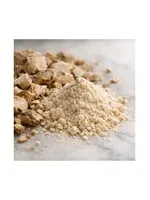


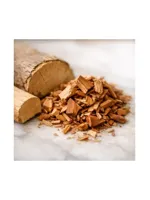









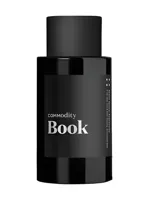
Book
EDP
Commodity
Statement
Kickstarter-born modern American niche brand known for Scent Space and material-themed fragrances.
Commodity is an American niche fragrance brand that originated from a 2013 Kickstarter campaign led by Los Angeles branding duo Yo Santosa and Owen Gee. Their crowdfunding campaign raised around $56,000 from more than 700 backers to build a digitally native perfume house that used questionnaires and mailed sample kits to personalize online fragrance shopping. In 2015, the brand entered Sephora, where its gender-neutral positioning, minimalist design, and layering concept helped it stand out among traditional designer lines.
After its early retail growth, Commodity abruptly shuttered in 2019. Later that year, the brand was acquired by fragrance entrepreneur Vicken Arslanian, owner of the US distributor Europerfumes. Arslanian spent roughly two years restructuring and refining the concept before relaunching Commodity in 2021 with a tighter collection built around core scents such as Book, Gold, Moss, Velvet, Paper, and the newly developed Milk.
In its current form, Commodity describes itself as a modern American perfumery and is headquartered in Englewood, New Jersey. Its portfolio is organized into two main lines: Scent Space, where each fragrance is offered in three strengths (Personal, Expressive, Bold) that control projection rather than just concentration, and the Archive line, which revives selected earlier releases in a single strength. The brand focuses on familiar, material-inspired themes like Paper, Gold, Milk, and Moss, interpreted by established perfumers from major houses in Grasse and beyond.
Commodity has expanded from being purely digital to opening a physical store in New York’s Soho district, yet it still leans heavily on direct-to-consumer channels and online education. The brand positions itself around clarity and simplicity, using straightforward names, color coding, and a structured classification system to help customers understand both the scent idea and how noticeable it will be in daily wear.
A niche, premium house known for woody compositions.
Commodity started as a digital-first, try-at-home brand focused on kits and cocktail-style layering, then expanded into Sephora as a lifestyle-oriented niche line. After closing in 2019 and being acquired by Vicken Arslanian, the brand re-emerged in 2021 with a sharpened identity as a modern American perfumery. The relaunch emphasized a smaller core range, the Scent Space projection system, and a stronger narrative around familiar material themes. Over time, it has shifted from being primarily an online curiosity to a more structured niche house with both e-commerce and brick-and-mortar presence, while still keeping its tech-native mindset and focus on consumer education.
Commodity offers a smart, concept-driven entry into niche: interesting enough for enthusiasts, yet easy for beginners to wear and understand. If you want clear themes, flexible projection, and modern styling rather than avant-garde extremes, it is well worth exploring.
Favourite - easy to wear anywhere · Statement - bold & distinctive · Acquired - bold, for fewer occasions
EDP
Commodity
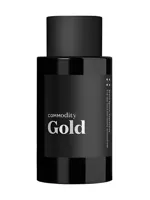
EDP
Commodity
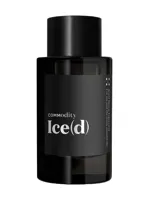
EDT
Commodity
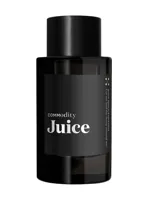
EDP
Commodity
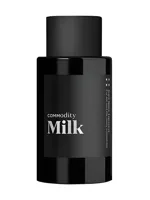
EDP
Commodity

EDT
Commodity
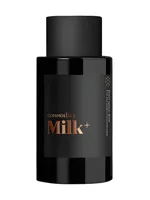
EDP
Commodity
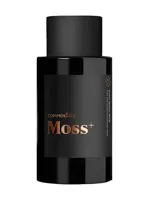
EDT
Commodity
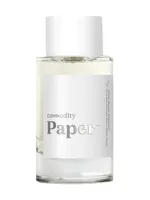
EDP
Commodity
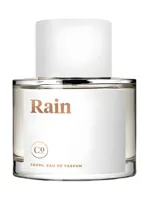
EDT
Commodity
New finds, honest verdicts, and price drops.
No spam. Unsubscribe anytime. See our privacy policy.