




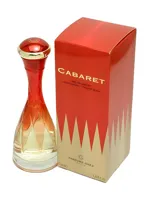
Cabaret
EDP
Grès
Favourite
Couture heritage in enduring chypre and green designer scents since 1959.
Grès began as a French haute couture house in 1942, founded by Germaine Emilie Krebs, known as Madame Grès, at 1 rue de la Paix in Paris. Trained initially as a sculptor and milliner, she sculpted gowns directly on models, gaining fame for draped silk jersey designs worn by Marlene Dietrich and Greta Garbo. The fashion house entered perfumery in 1959 with Cabochard, a chypre-leather scent composed by Bernard Chant after Madame Grès's 1956 India trip inspired rare exotic notes.
Cabochard, launched in 1959 (some sources note 1958), remains in production as of 2017 and defines the brand's heritage. Cabotine followed in 1990, establishing a benchmark for green-floral compositions. Financial pressures led Madame Grès to sell Parfums Grès in 1982 to British American Tobacco's cosmetics division, which owned Germaine Monteil and Yardley; the fashion house sold in 1984 and later discontinued. The perfume line changed hands, becoming Swiss-based in 2001 under Art Fragrance, now licensed by Lalique Group SA in Switzerland.
Post-sale releases include Folie Douce (1997), Cabaret (2003), and Caline (2005). Classics like Cabochard persist, while newer scents build on the house's couture legacy in affordable designer fragrances.
A designer, mid house known for chypre compositions.
Grès launched with Cabochard in 1959 as a pioneering chypre-leather scent tied to couture. Ownership shifts from 1982 under BAT, to Swiss control in 2001, and Lalique Group spurred Cabotine's 1990 green-floral success and later fruity-florals like Cabaret. Production narrowed to core classics amid corporate changes, prioritizing affordability over expansion.
Grès delivers solid, history-rich designer perfumes with Cabochard and Cabotine as unbeatable values. Ownership churn limits excitement, but classics endure for chypre purists.
Favourite - easy to wear anywhere · Statement - bold & distinctive · Acquired - bold, for fewer occasions
EDP
Grès
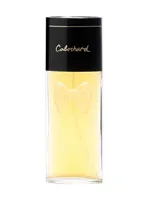
EDT
Grès
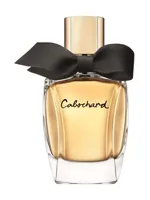
EDP
Grès
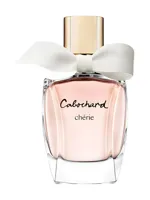
EDP
Grès
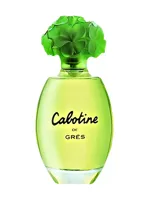
EDP
Grès
EDT
Grès
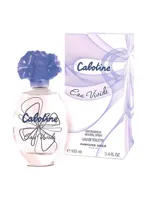
EDP
Grès
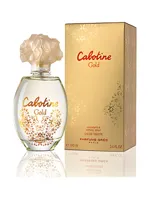
EDP
Grès
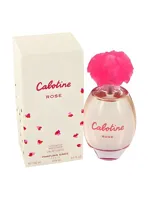
EDP
Grès
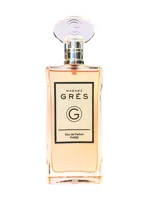
EDP
Grès
New finds, honest verdicts, and price drops.
No spam. Unsubscribe anytime. See our privacy policy.