









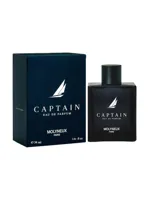
Captain
EDP
Molyneux
Acquired
Heritage French couture perfumes with aldehydic florals, chypres and classic fougères at accessible prices.
Molyneux grew out of the couture house founded in 1919 at 5 rue Royale in Paris by British-born designer Edward Henri Molyneux (1891-1974). According to historical sources, the dedicated perfume arm, Parfums Molyneux, was established in 1927 as part of this fashion operation. Molyneux had already built a following among actresses such as Greta Garbo, Marlene Dietrich and Vivien Leigh, and his reputation for sharp, modern tailoring carried over into the way the brand approached fragrance.
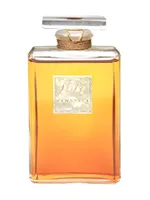
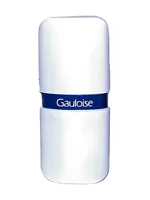
Early on, the house experimented with numbered scents like Numéro Cinq (1925), then moved into more characterful launches such as the aldehydic floral chypre Vivre, first created in 1931 and later relaunched in 1971, and the classic aldehydic chypre Quartz, introduced in 1977 or 1978 depending on the source. Vintage-focused writers frequently highlight Vivre, Quartz, Fête de Molyneux (1962) and Gauloise (1980) as benchmarks for the brand, noting their bright aldehydes, structured florals and clear chypre backbones.
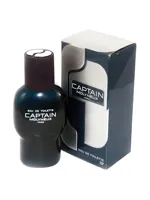
From the mid 1970s the house expanded into masculine perfumery with Captain Molyneux (1975), followed by Lord Molyneux (1988) and later flankers. Over time, ownership and control shifted away from the founding family, but the brand name has remained active in the value and grey-market sectors, where quartz-based feminines and traditional masculines are still widely distributed.
Today, Molyneux sits somewhat under the radar, but it maintains a catalog that leans on crisp florals, oakmoss-style chypre structures, and straightforward masculine fougères. The image is more about well-cut, slightly conservative perfumery than experimental niche compositions, which explains both its loyal vintage following and its relative obscurity among newer perfume consumers.
A designer, mid house known for aldehydic floral compositions.
Molyneux started with numbered and address-based perfumes in the 1920s, then settled into aldehydic florals and chypres through the mid-20th century. The 1970s and 1980s brought Quartz, Captain and Lord Molyneux, reflecting broader trends toward fresher florals and masculine fougères while keeping a tailored feel. In recent decades the house has shifted away from high-fashion visibility into a quieter presence, relying on heritage names like Vivre and Quartz and on distribution through discounters and regional retailers rather than major prestige launches.
For lovers of vintage-style French perfumery who do not care about logos or hype, Molyneux can be a goldmine. If you want bold niche experimentation or syrupy modern sweetness, this catalog will likely feel too reserved and old-school.
Favourite - easy to wear anywhere · Statement - bold & distinctive · Acquired - bold, for fewer occasions
EDP
Molyneux
EDT
Molyneux
EDT
Molyneux
EDT
Molyneux
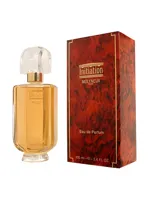
EDP
Molyneux
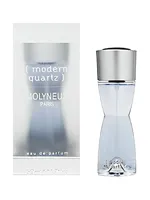
EDP
Molyneux
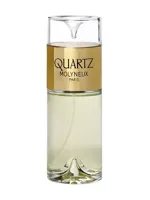
EDP
Molyneux
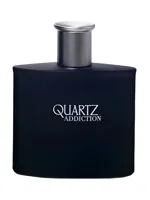
EDP
Molyneux
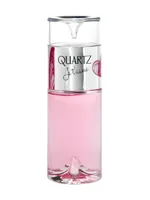
EDP
Molyneux
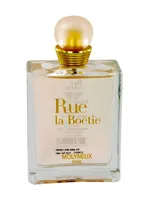
EDP
Molyneux
New finds, honest verdicts, and price drops.
No spam. Unsubscribe anytime. See our privacy policy.