








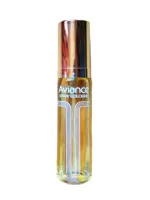
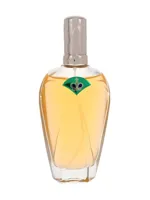
Aviance
EDT
Prince Matchabelli
Statement

Historic American perfume label best known for affordable classics like Wind Song in crown-shaped bottles.
Prince Matchabelli was created in New York in 1926 by Georgian nobleman and amateur chemist Prince Georges V. Matchabelli and his wife, Italian actress Norina Gilli Matchabelli. They began by blending custom perfumes in the basement of their Madison Avenue antiques shop, serving actors, socialites, and other private clients. In 1928 they introduced their first trio of ready-made fragrances, Princess Norina, Queen of Georgia, and Ave Maria, and launched the crown-shaped bottle modeled on the lost Matchabelli royal crown, designed by Norina.
The business grew quickly, with successive moves to larger Manhattan premises and an international expansion in 1929, when Les Parfums du Prince Matchabelli S.A. and a Paris factory were established and a showroom opened at the Hotel George V. After Prince Georges' death in 1935, Norina sold the company in 1936 to manufacturer Saul Ganz; the brand then passed through several owners, including Vicks Chemical Company in 1941, Chesebrough-Pond's in 1958, and Unilever in 1987, before being acquired by Parfums de Coeur in 1993.
Under later ownership, Prince Matchabelli shifted from intimate, European-influenced luxury perfumes to broadly distributed American mass-market scents. The most enduring release from the post-founder era is Wind Song, launched in 1953, a floral bouquet fragrance that became widely known through large-scale advertising and promotional campaigns. Today the brand is primarily recognized for affordable classics in drugstores and mass retailers rather than for new prestige launches.
A mass market, budget house known for floral compositions.
Prince Matchabelli began as a small, founder-driven luxury operation blending custom scents for elite clients in New York and later Paris. After multiple ownership changes, it gradually pivoted toward large-scale American distribution, culminating in its modern role as a budget, drugstore-oriented label. Over time, complex early creations gave way to simpler, broadly appealing florals like Wind Song and other accessible blends. The contemporary brand largely trades on the heritage and recognition of those mid-20th-century successes rather than on frequent innovation.
Historically important and charming for vintage enthusiasts, but today primarily a budget, nostalgia-driven line with one or two genuinely worthwhile classics. Worth exploring if you like old-school florals and do not mind modest performance and presentation.
Favourite - easy to wear anywhere · Statement - bold & distinctive · Acquired - bold, for fewer occasions
EDT
Prince Matchabelli
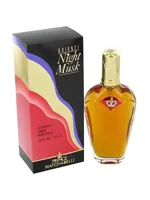
EDC
Prince Matchabelli
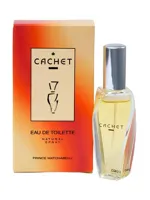
EDC
Prince Matchabelli
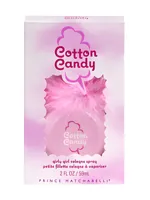
EDC
Prince Matchabelli
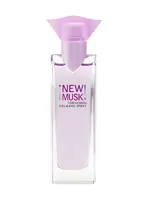
EDC
Prince Matchabelli
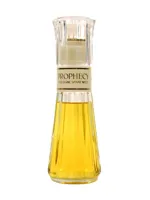
EDT
Prince Matchabelli
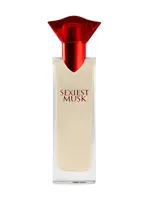
EDP
Prince Matchabelli
EDP
Prince Matchabelli
New finds, honest verdicts, and price drops.
No spam. Unsubscribe anytime. See our privacy policy.