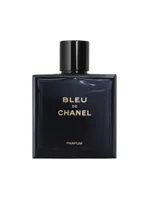

Is Afnan Historic Olmeda a dupe of Chanel Bleu de Chanel?



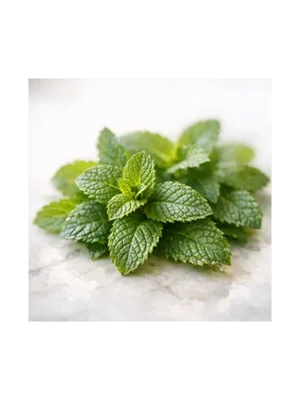


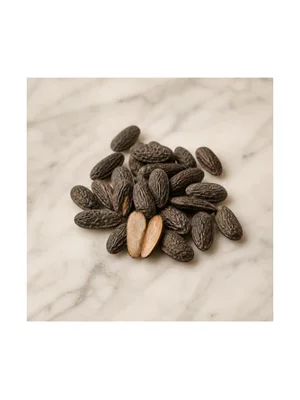



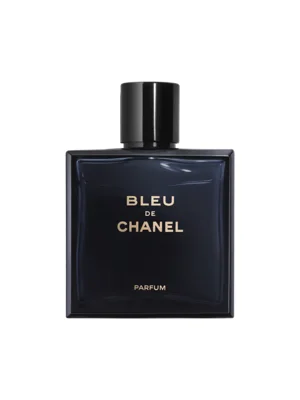 Bleu de Chanel Parfum
| Parfum | Concentration | EDP |
| M | Gender | M |
| 2018 | Year | 2022 |
| $$ | Price Tier | $$ |
 Historic Olmeda EDP
While both share a woody, citrus core, Bleu de Chanel Parfum distinguishes itself with a creamy sandalwood depth, projecting mature sophistication. Historic Olmeda leans into mass appeal with a brighter, more versatile profile suitable for various occasions. Bleu de Chanel is the smoother, more premium experience, while Olmeda offers excellent value, capturing a similar essence at a more accessible price point. If you want a mature, refined, and luxurious experience, go with Bleu de Chanel. If you want a versatile crowd-pleaser, go with Historic Olmeda.
 →
Where they differ
Biggest gaps first. The bolder side leads.
ScentArt
How it unfolds
Notes
- Bleu de Chanel
- Historic Olmeda
- in both
Tap a note to light it in both. A+B means both have it


Which Should You Buy?
- You prefer a creamy, sandalwood-driven base.
- You want a mature and sophisticated fragrance.
- You appreciate the quality of a luxury brand.
- You want the most refined version of the 'blue' DNA.
- You want a versatile, everyday fragrance.
- You're looking for great value for money.
- You prefer a brighter, more mass-appealing scent.
- You want a fragrance that is safe and pleasing.
A masterclass in woody refinement, Bleu de Chanel Parfum delivers understated power and confidence. Its creamy sandalwood base and aromatic freshness make it the most mature, smooth, and quietly compelling of the Bleu line.
A fresh, dark-blue aromatic that is easy to wear almost anywhere. Spiced grapefruit and juniper start lively, jasmine and cedar steady the middle, and ambergris, musk and patchouli give a long finish.
Scent Profile
How They Wear
Mood
Notes
Top Notes
Heart Notes
 Lavender
8% share of the perfume
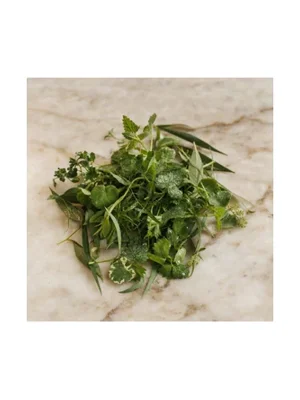 Green Notes
6% share of the perfume
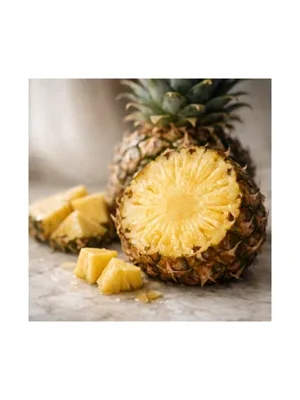 Pineapple
5% share of the perfume
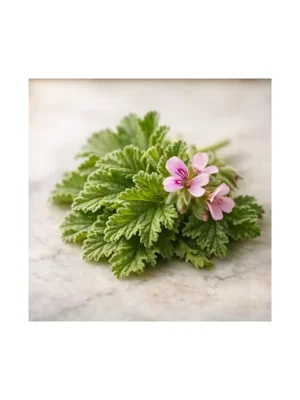 Geranium
1% share of the perfume
Base Notes
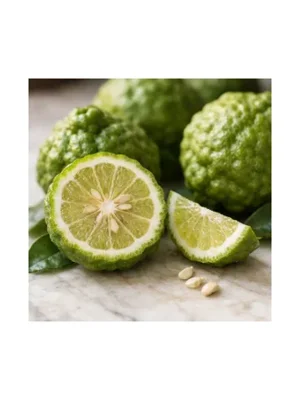 Bergamot
11%
vs
7%
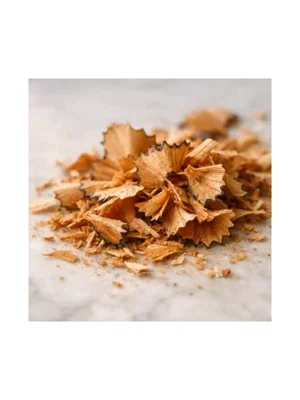 Cedar
9%
vs
7%
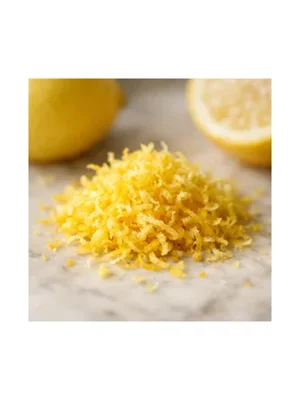 Lemon Zest
12% share of the perfume
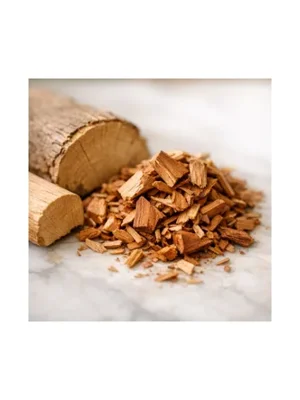 Sandalwood
12% share of the perfume
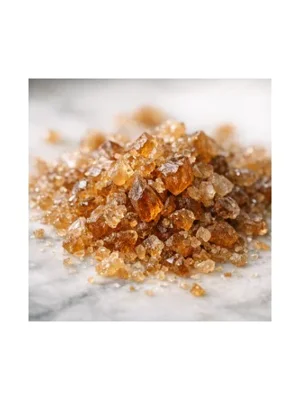 Iso E Super
10% share of the perfume
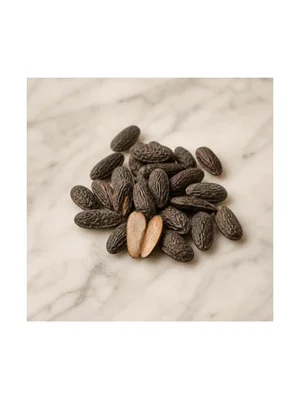 Tonka Bean
10% share of the perfume
Lavender
8% share of the perfume
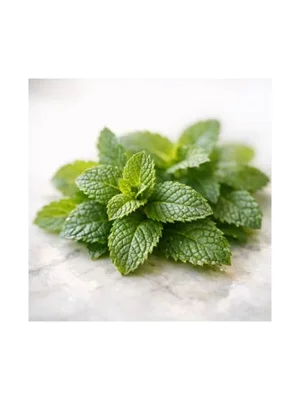 Mint
6% share of the perfume
Green Notes
6% share of the perfume
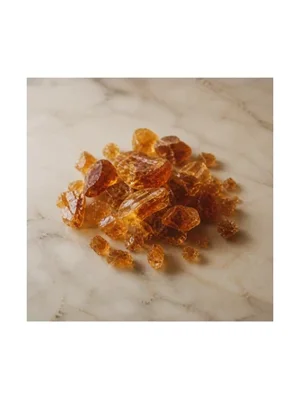 Amberwood
6% share of the perfume
Pineapple
5% share of the perfume
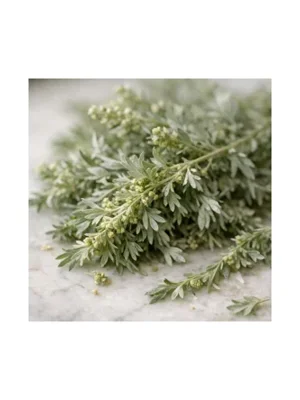 Artemisia
2% share of the perfume
Geranium
1% share of the perfume
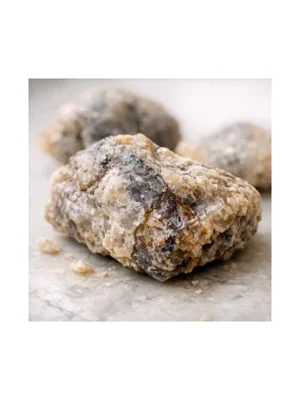 Ambergris
11% share of the perfume
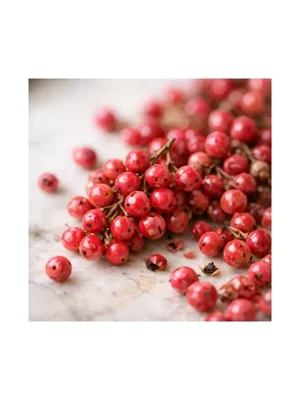 Pink Pepper
10% share of the perfume
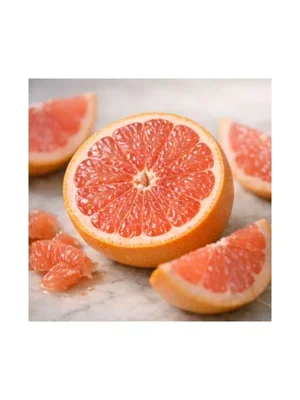 Grapefruit
10% share of the perfume
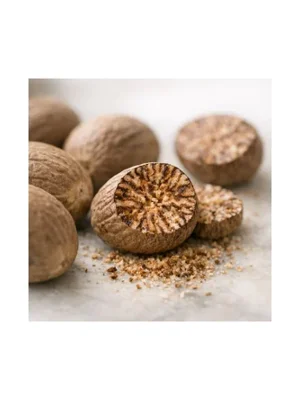 Nutmeg
9% share of the perfume
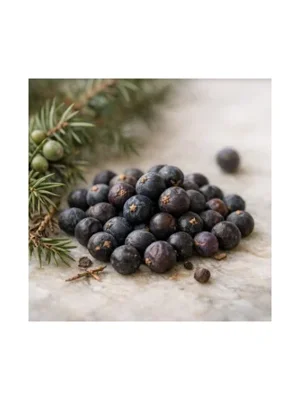 Juniper
9% share of the perfume
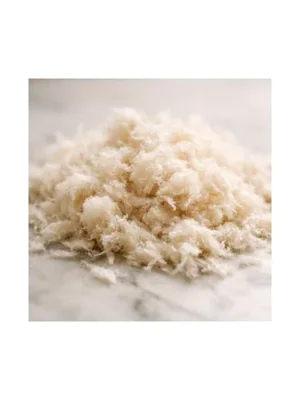 Musk
8% share of the perfume
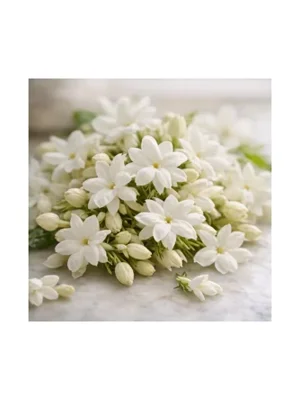 Jasmine
7% share of the perfume
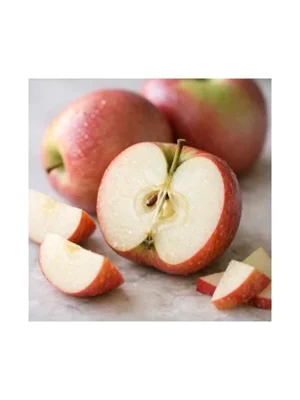 Apple
7% share of the perfume
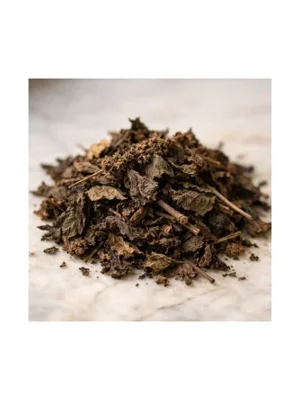 Patchouli
7% share of the perfume
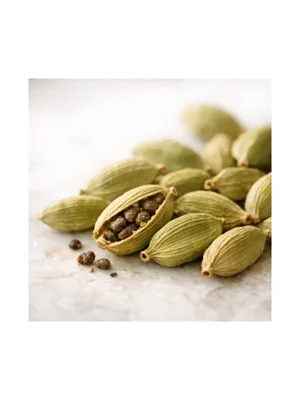 Cardamom
7% share of the perfume
Lavender
8% share of the perfume
Green Notes
6% share of the perfume
Pineapple
5% share of the perfume
Geranium
1% share of the perfume
Note weights are our estimate from each note's place in the pyramid, not the share of the formula. Brands do not publish formulations.
Performance
Season and Occasion Fit
Seasons
The woody base and moderate warmth make it ideal for spring and fall, while its freshness and citrus top notes keep it wearable in cooler summer evenings and mild winter days. It avoids cloying sweetness and heavy resins, ensuring versatility across most climates.
Occasions
Refined, smooth projection and understated boldness suit office, casual, and formal settings. The composition is too elegant and woody for sporty use, but excels in any scenario where class and subtle masculinity are called for.
Seasons
Fresh citrus and juniper lead in spring and summer, and the ambergris and patchouli base carries it into autumn. Deep winter is the weakest fit.
Occasions
Fresh and easy, it is highly versatile for casual wear and the office. It holds well enough for dates and some formal events, though the blue style is a bit common for truly dressy settings.
Similarity Breakdown
Our estimate of how alike these two fragrances smell, calculated from their published notes. It is a position on our scale, not a measured percentage of shared smell.
Shares 2 of its 12 notes, including Cedar, Bergamot
Adds ambergris and apple, drops amberwood and artemisia
Where to buy
Pick a size. The two cheapest offers, then the rest.





Prices before sales tax, which the shop adds at checkout.
ScentVerdict earns a commission from purchases - this doesn't affect our verdicts.