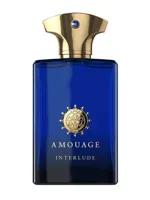

Is Zimaya Evolution a dupe of Amouage Interlude Man?



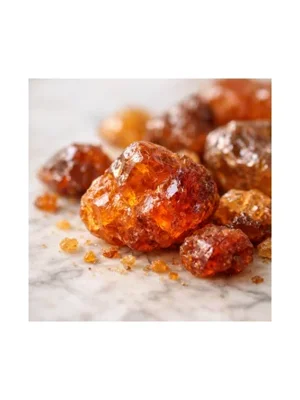


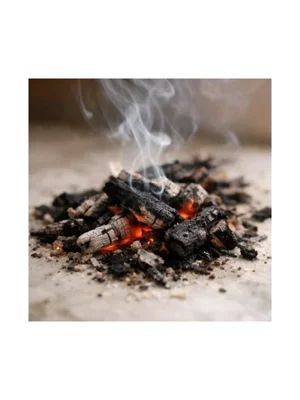

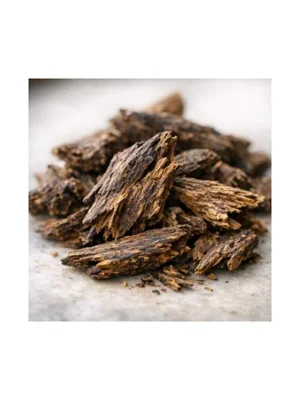

 Interlude Man EDP
| EDP | Concentration | EDP |
| M | Gender | M |
| 2012 | Year | 2024 |
| $$ | Price Tier | $ |
 Evolution EDP
Interlude Man and Zimaya Evolution share a similar DNA, but Interlude Man distinguishes itself with superior ingredient quality and complexity. Evolution leans into a more synthetic profile, sacrificing some nuance for affordability. Interlude Man is a statement fragrance, while Evolution is a budget-friendly alternative for those curious about the Interlude DNA. If you want the real deal, go for Interlude. But if you're on a budget and want something that's 80% there, Evolution is a great choice. The biggest factor is how much you value ingredient quality and smoothness.

Where they differ
Biggest gaps first. The bolder side leads.
ScentArt
How it unfolds
Notes
- Interlude Man
- Evolution
- in both
Tap a note to light it in both. A+B means both have it

Which Should You Buy?
- You want the smoother, higher-quality experience of the original.
- You appreciate the complexities and nuances of niche perfumery.
- You want a fragrance with proven longevity and projection.
- You prefer natural ingredients over synthetic alternatives.
- You want a very affordable alternative to Interlude Man.
- You are testing the Interlude DNA before committing to the original.
- You don't mind a slightly harsher, more synthetic opening.
- You want a loud fragrance that will get you noticed.
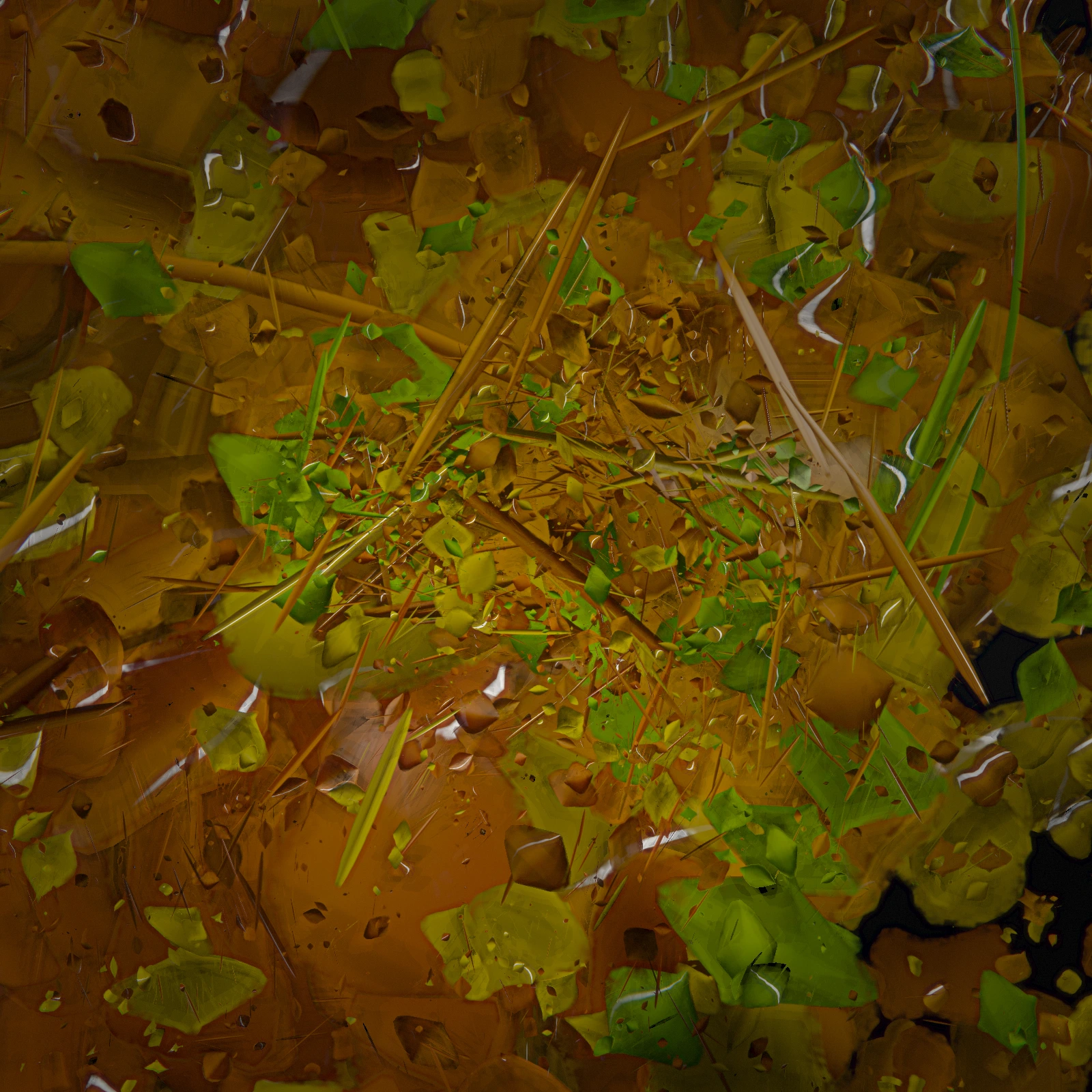
Oregano, pepper and bergamot ignite, then smoky incense, opoponax, labdanum and amber close in. Interlude is dense, loud and dramatic, a heavyweight for cold nights.
Smoke, leather and oud under a sharp oregano and bergamot opening, in the style of Amouage Interlude. It lasts and it gets noticed, but the herbal smoke is bold, so try it on skin before you commit.
Scent Profile
How They Wear
Mood
Notes
Top Notes
Top Notes
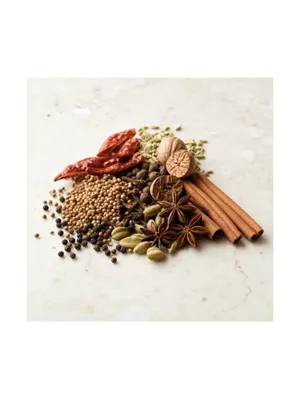 Spicy Notes
10% share of the perfume
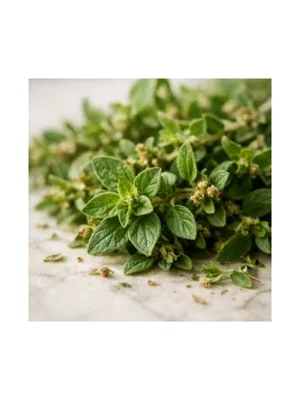 Oregano
8% share of the perfume
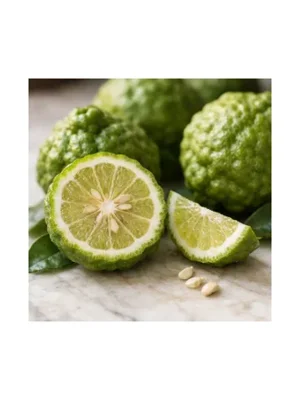 Bergamot
8% share of the perfume
Heart Notes
Oregano
21%
vs
8%
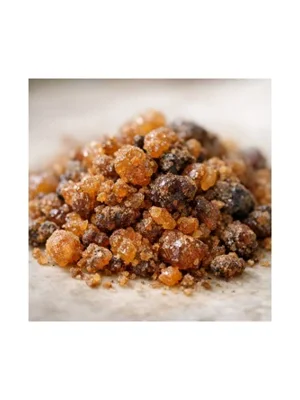 Opoponax
14%
vs
9%
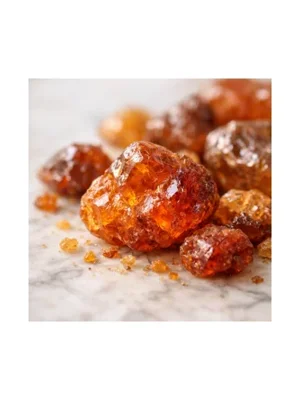 Amber
14%
vs
11%
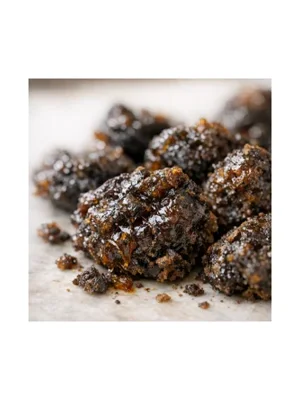 Labdanum
7%
vs
7%
Bergamot
7%
vs
7%
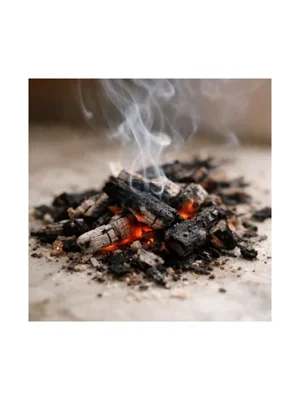 Smoke
15% share of the perfume
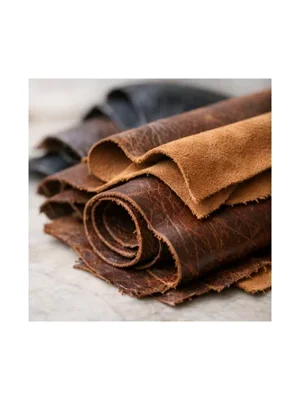 Leather
12% share of the perfume
Spicy Notes
10% share of the perfume
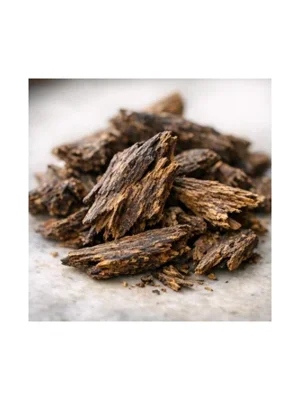 Oud
10% share of the perfume
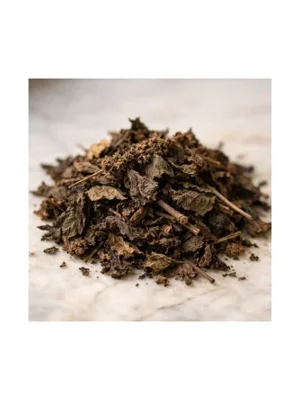 Patchouli
8% share of the perfume
Oregano
21%
vs
8%
Bergamot
7%
vs
7%
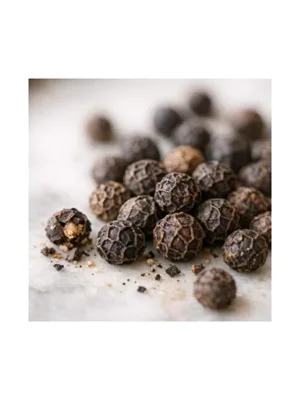 Pepper
16% share of the perfume
Spicy Notes
10% share of the perfume
Opoponax
14%
vs
9%
Amber
14%
vs
11%
Labdanum
7%
vs
7%
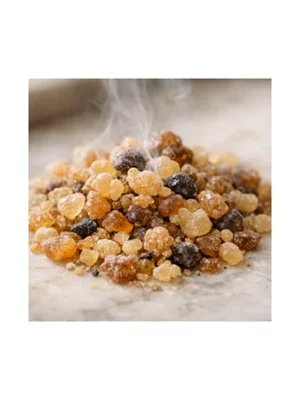 Incense
18% share of the perfume
Note weights are our estimate from each note's place in the pyramid, not the share of the formula. Brands do not publish formulations.
Performance
Season and Occasion Fit
Seasons
Smoke, resin and spice want cold air. Autumn and winter are its home, and in summer heat it becomes overwhelming.
Occasions
Its strength and sheer density suit formal evenings and night events. At a desk or in casual company it is too much.
Seasons
A year-round scent - easy to wear in any season.
Occasions
Its powerful, smoky, and long-lasting nature makes it far too assertive for the office, though some suggest moderate use is possible. It shines on a date or formal evening out, where its dramatic presence can really make an impact, but is generally too intense for casual day-to-day wear.
Similarity Breakdown
Our estimate of how alike these two fragrances smell, calculated from their published notes. It is a position on our scale, not a measured percentage of shared smell.
Shares 5 of its 7 notes, including Oregano, Amber, Labdanum
Adds incense and pepper, drops leather and oud
Where to buy
Pick a size. The two cheapest offers, then the rest.

Prices before sales tax, which the shop adds at checkout.
ScentVerdict earns a commission from purchases - this doesn't affect our verdicts.