

Is Armaf Shades Blue a dupe of Chanel Bleu de Chanel?








 Bleu de Chanel EDT
| EDT | Concentration | EDT |
| M | Gender | M |
| 2010 | Year | 2016 |
| ££ | Price Tier | £ |
 Shades Blue EDT
Bleu de Chanel (BdC) and Shades Blue share a 'blue' DNA, but diverge in quality and refinement. BdC prioritizes sophisticated balance, delivering a smooth, versatile experience. Shades Blue, an affordable alternative, can be inconsistent, sometimes smelling synthetic or generic. BdC's higher price reflects its superior ingredients and construction. If you value a guaranteed, polished experience, BdC is the clear choice. If you're willing to gamble for a potential steal at a fraction of the price, Shades Blue might be worth a try, but approach with caution.

Where they differ
Biggest gaps first. The bolder side leads.
ScentArt
How it unfolds
Notes
- Bleu de Chanel
- Shades Blue
- in both
Tap a note to light it in both. A+B means both have it
Which Should You Buy?
- You want a guaranteed high-quality, versatile fragrance.
- You appreciate a refined and balanced composition.
- You prefer a fragrance with natural-smelling ingredients.
- You want a signature scent suitable for any occasion.
- You're on a tight budget and want a 'blue' scent.
- You're willing to risk inconsistencies for a bargain.
- You don't mind a potentially synthetic-smelling fragrance.
Effortlessly versatile and instantly recognisable, Bleu de Chanel EDT is the blueprint for modern woody-citrus masculinity. Its crisp freshness and understated depth make it a contemporary classic for any occasion.
This budget-friendly 'blue' scent is either a beastly bargain or a cheap, synthetic miss. Performance is a total lottery, so you might get a gem or you might get air freshener. Buy at your own risk - some love it, some regret it.
Scent Profile
How They Wear
Mood
Notes
Top Notes
Top Notes
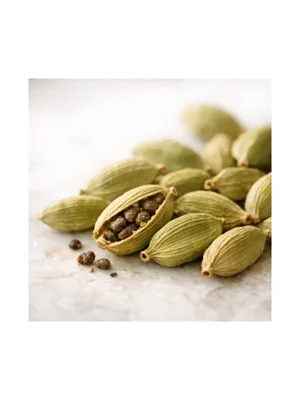
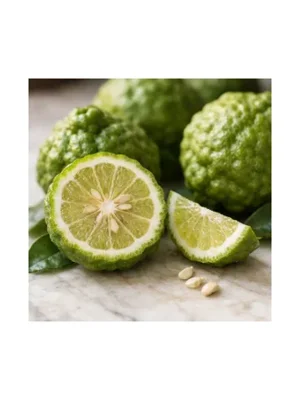
Heart Notes
Heart Notes
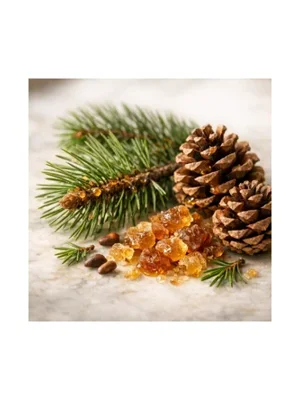
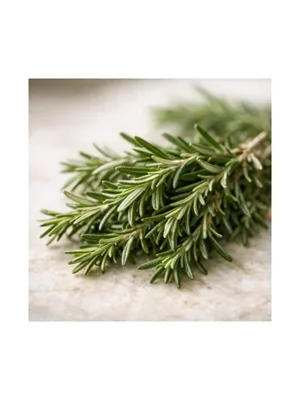
Base Notes
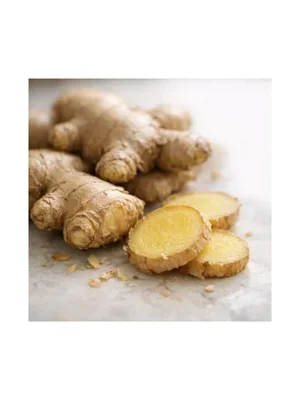 Ginger
29%
vs
20%
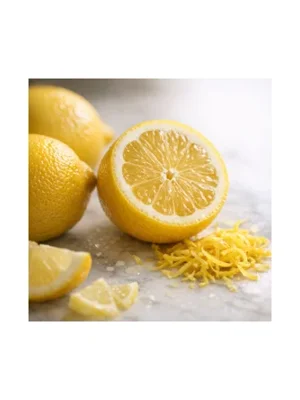
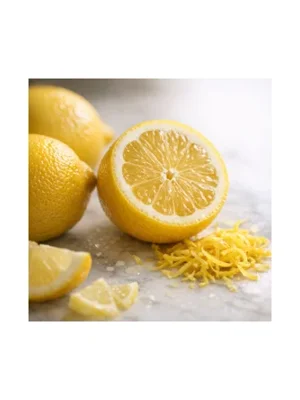 Lemon
26%
vs
19%
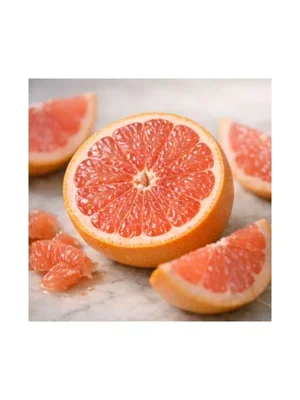 Grapefruit
26%
vs
38%
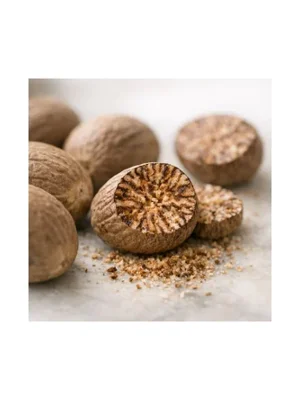 Nutmeg
24%
vs
20%
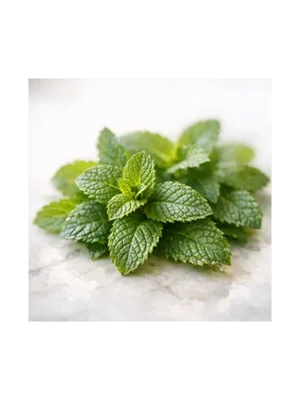
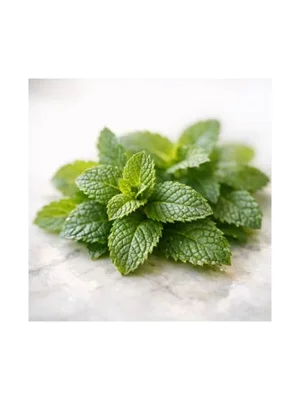 Mint
24%
vs
17%
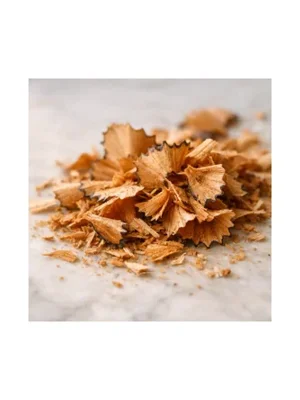
 Cedar
14%
vs
18%
 Vetiver
14%
vs
22%
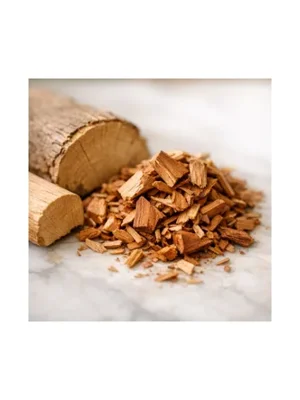 Sandalwood
14%
vs
18%
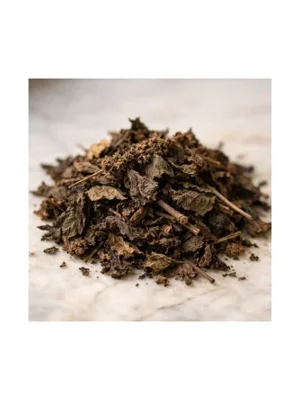 Patchouli
13%
vs
20%
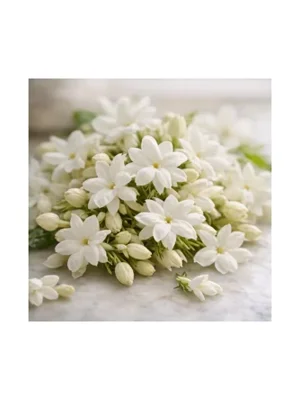 Jasmine
23%
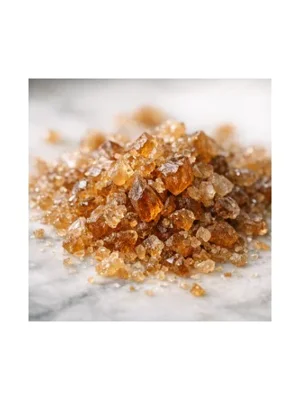 Iso E Super
23%
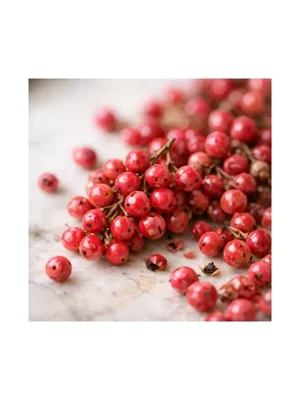 Pink Pepper
23%
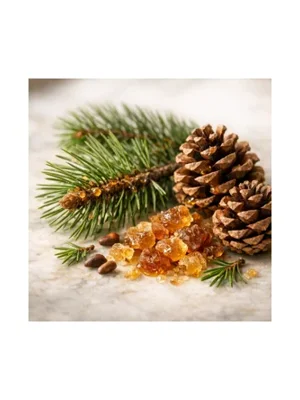
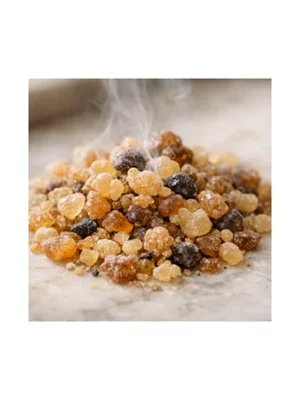 Incense
17%
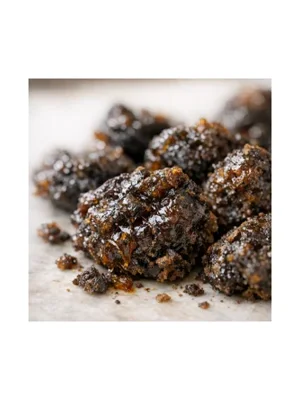 Labdanum
13%
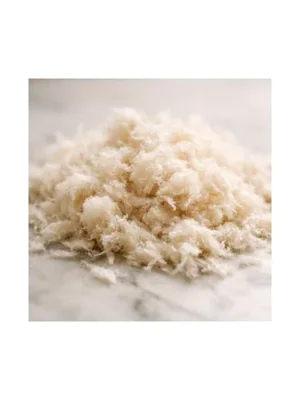 Musk
13%
Cedar
14%
vs
18%
Vetiver
14%
vs
22%
Sandalwood
14%
vs
18%
Patchouli
13%
vs
20%
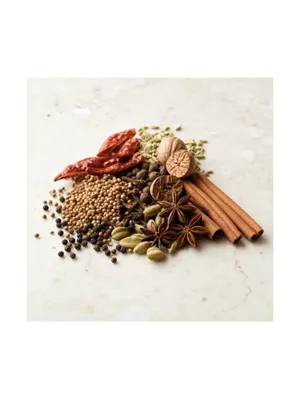 Spicy Notes
20%
Note weights are our estimate from each note's place in the pyramid, not the share of the formula. Brands do not publish formulations.
Performance
Season and Occasion Fit
Seasons
The bright citrus and aromatic facets make this a natural fit for spring and summer, while the woody-resinous base gives it enough depth for fall. In winter it may feel too airy or crisp for those seeking warmth.
Occasions
With moderate projection and universally appealing freshness, it's perfect for office and casual wear. Polished enough for dates and formal events, but not ideal for sports due to the woody-resinous drydown.
Seasons
A warm-weather pick - at its best in spring and autumn.
Occasions
Its fresh, clean, and inoffensive profile makes it suitable for office wear, though varied performance means some might find it too fleeting. It's a casual scent by nature, described by some as an everyday go-to, and its potential for a strong opening makes it less ideal for formal settings.
Similarity Breakdown
Our estimate of how alike these two fragrances smell, calculated from their published notes. It is a position on our scale, not a measured percentage of shared smell.
Shares 9 of its 14 notes, including Grapefruit, Lemon, Sandalwood
Adds bergamot and cardamom, drops incense and iso e super
Where to buy
Pick a size. The two cheapest offers, then the rest.



Prices before sales tax, which the shop adds at checkout.
ScentVerdict earns a commission from purchases - this doesn't affect our verdicts.