

Is Armaf Tag-Him a dupe of Chanel Bleu de Chanel?







 Bleu de Chanel EDP
| EDP | Concentration | EDT |
| M | Gender | M |
| 2014 | Year | - |
| ££ | Price Tier | £ |
 Tag-Him EDT
While both share a similar DNA, Bleu de Chanel distinguishes itself through superior refinement and longevity. Tag-Him, positioning itself as a budget alternative, mirrors the citrusy, woody profile but lacks the smooth transitions and sophisticated dry down of Bleu de Chanel. The opening of Tag-Him can be a bit harsh, but the drydown is where it shines. Bleu de Chanel offers a balanced composition with better performance, justifying its premium price. Tag-Him is for those prioritizing affordability over nuanced complexity and are willing to compromise on initial harshness.
 →
Where they differ
Biggest gaps first. The bolder side leads.
ScentArt
How it unfolds
Notes
- Bleu de Chanel
- Tag-Him
- in both
Tap a note to light it in both. A+B means both have it
Which Should You Buy?
- You value a smooth, refined, and balanced fragrance.
- You want a versatile scent suitable for any occasion.
- Longevity and consistent performance are a must.
- You prefer a fragrance with a higher quality composition.
- Your budget is a primary concern.
- You like the Bleu de Chanel DNA, but at a lower price.
- You don't mind a less refined or complex opening.
- You want a similar scent for casual, everyday wear.
Effortless, magnetic, and endlessly versatile, Bleu de Chanel EDP is the modern masculine standard. Its crisp citrus opening, aromatic heart, and warm, woody-amber finish strike an impeccable balance between freshness and depth.
This budget fragrance splits the room right down the middle- some hail it a steal, others reckon it's a harsh downgrade. Expect an initial rough ride and mixed performance, but for the price, it might just surprise you.
Scent Profile
How They Wear
Mood
Notes
Top Notes
Top Notes
Heart Notes
Heart Notes
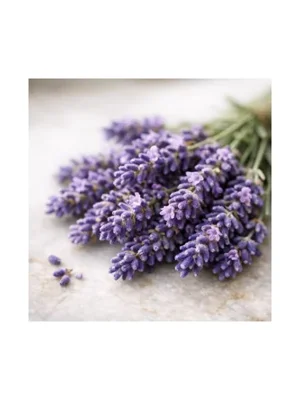
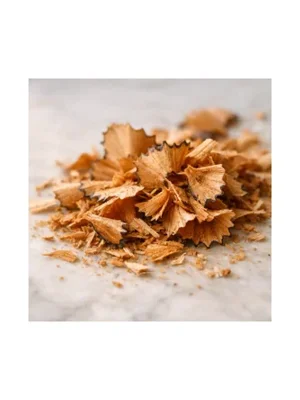
Base Notes
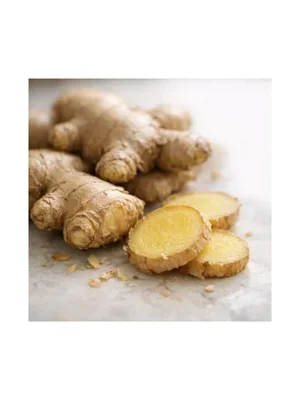 Ginger
28%
vs
34%
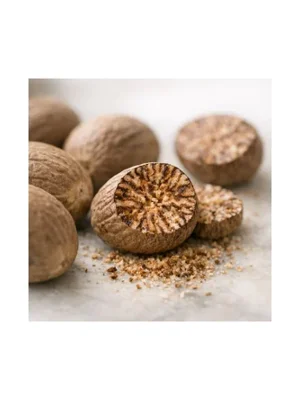 Nutmeg
24%
vs
18%
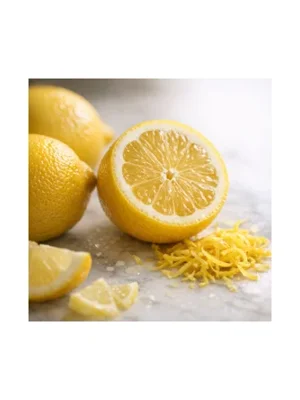
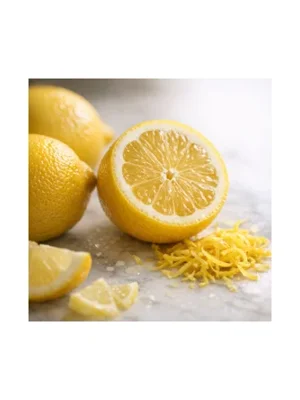 Lemon
16%
vs
26%
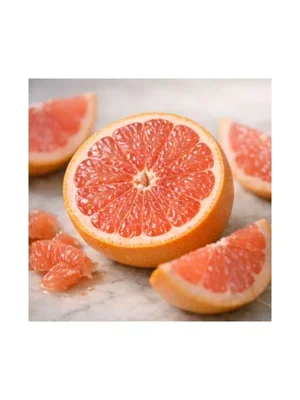 Grapefruit
16%
vs
30%
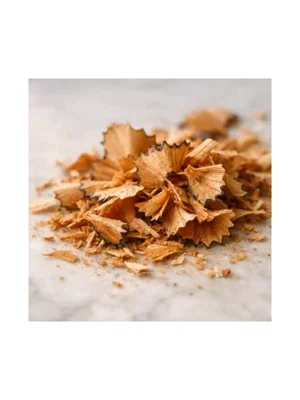 Cedar
14%
vs
22%
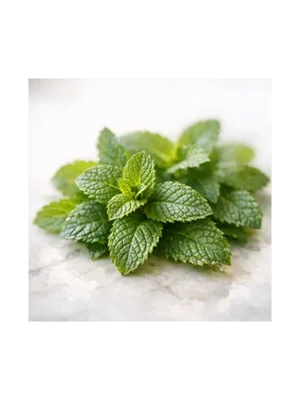
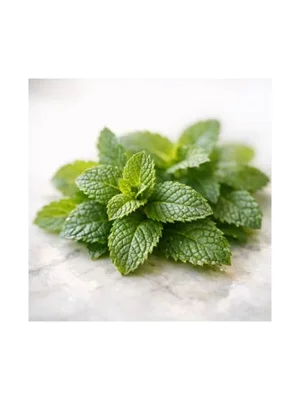 Mint
14%
vs
25%
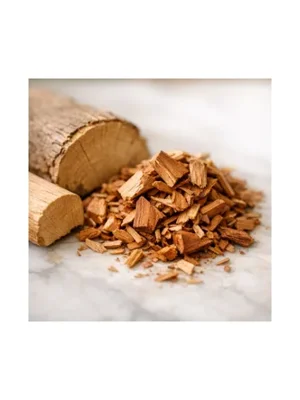 Sandalwood
14%
vs
24%
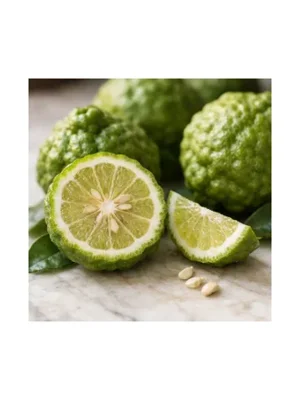 Bergamot
14%
vs
22%
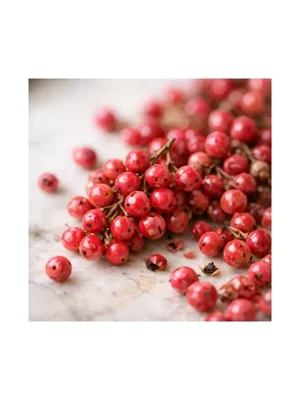 Pink Pepper
13%
vs
21%
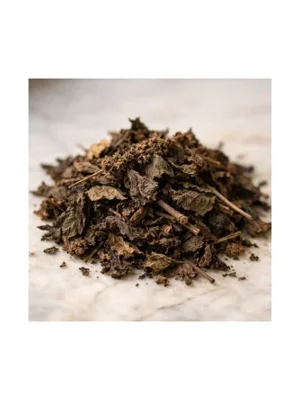 Patchouli
13%
vs
24%
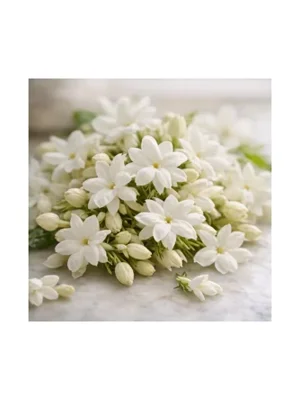 Jasmine
24%
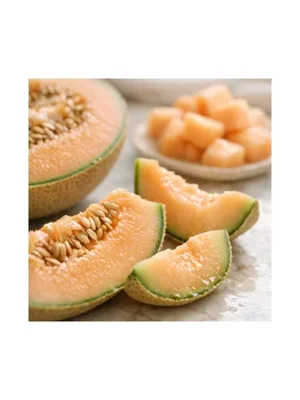
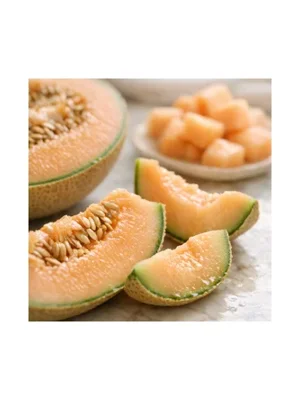 Melon
23%
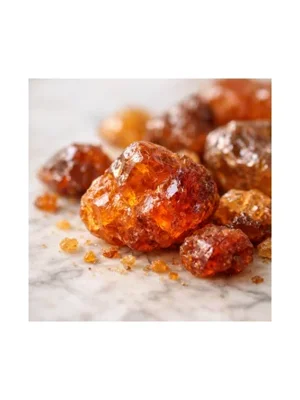
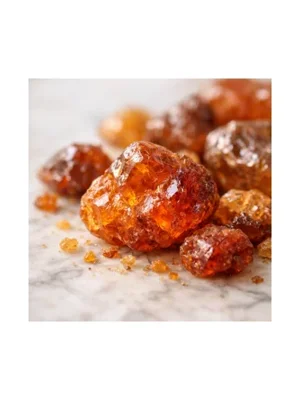 Amber
16%
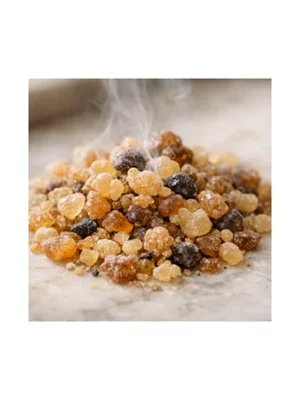 Incense
16%
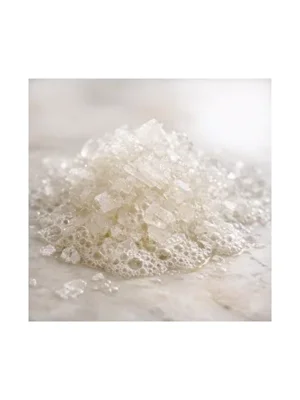 Aldehydes
13%
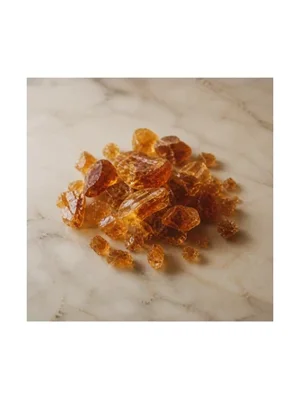 Amberwood
13%
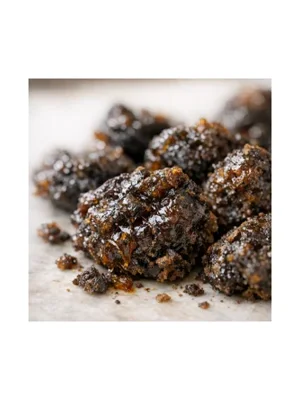 Labdanum
12%
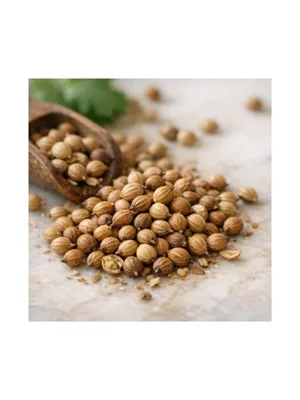 Coriander
12%
Cedar
14%
vs
22%
Sandalwood
14%
vs
24%
Patchouli
13%
vs
24%
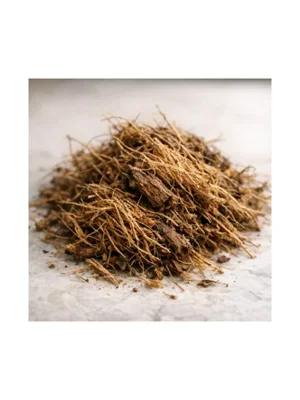 Vetiver
28%
Note weights are our estimate from each note's place in the pyramid, not the share of the formula. Brands do not publish formulations.
Performance
Season and Occasion Fit
Seasons
Balanced freshness and warm amber-woody depth make it versatile for spring and fall, with enough richness for brisk days yet not too heavy for milder weather. It can be worn year-round but is less suited to high summer humidity or deep winter cold.
Occasions
Its refined, versatile freshness is ideal for office and formal wear, while the warm, woody drydown is equally compelling for dates and casual outings. Projection and sophistication make it less suitable for sporty scenarios.
Seasons
A warm-weather pick - at its best in summer and spring.
Occasions
Its fresh and clean profile makes it highly suitable for casual wear and daily office use, especially given the generally moderate projection that won't overwhelm. While it can work for a date, the lack of performance mentioned by some reviewers means it might not last through an entire evening event, making it less ideal for formal settings.
Similarity Breakdown
Our estimate of how alike these two fragrances smell, calculated from their published notes. It is a position on our scale, not a measured percentage of shared smell.
Shares 10 of its 12 notes, including Pink Pepper, Grapefruit, Lemon
Adds lavender and vetiver, drops aldehydes and amber
Where to buy
Pick a size. The two cheapest offers, then the rest.


Prices before sales tax, which the shop adds at checkout.
ScentVerdict earns a commission from purchases - this doesn't affect our verdicts.