

Is Maison Alhambra Blue de Chance a dupe of Chanel Bleu de Chanel?






 Bleu de Chanel EDT
| EDT | Concentration | EDP |
| M | Gender | M |
| 2010 | Year | 2022 |
| ££ | Price Tier | £ |
 Blue de Chance EDP
Despite the incredibly high similarity score, Bleu de Chanel and Blue de Chance are worlds apart in quality and performance. Bleu de Chanel boasts a refined, natural blend of citrus, woods, and spice, resulting in a versatile and sophisticated scent. Blue de Chance, in contrast, suffers from an overtly synthetic character and poor longevity. While both fragrances share similar notes, Bleu de Chanel's superior ingredients and masterful blending create a far more enjoyable and lasting experience, easily justifying its higher price tag. This is a rare case where the original is well worth the investment.

Where they differ
Biggest gaps first. The bolder side leads.
ScentArt
How it unfolds
Notes
- Bleu de Chanel
- Blue de Chance
- in both
Tap a note to light it in both. A+B means both have it
Which Should You Buy?
- You want a refined and versatile signature scent.
- Quality ingredients and masterful blending are a priority.
- Longevity and projection are important to you.
- You appreciate the prestige of a designer fragrance.
- You are on a very strict budget.
- You only need a fleeting hint of a 'blue' fragrance.
- You don't mind synthetic smelling fragrances.
Effortlessly versatile and instantly recognisable, Bleu de Chanel EDT is the blueprint for modern woody-citrus masculinity. Its crisp freshness and understated depth make it a contemporary classic for any occasion.
Skip this one. Despite the promise of a well-known original, Blue de Chance is a deeply disappointing blue fragrance. It's aggressively synthetic, smells cheap, and performs terribly. There are far better, and frankly cheaper, alternatives out there. A resounding no from us.
Scent Profile
How They Wear
Mood
Notes
Top Notes
Top Notes
Heart Notes
Heart Notes
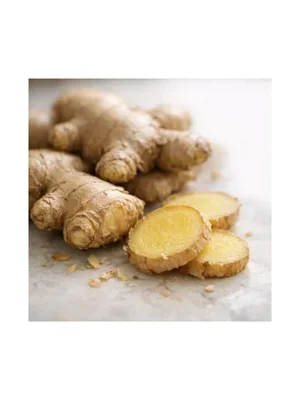 Ginger
29%
vs
38%
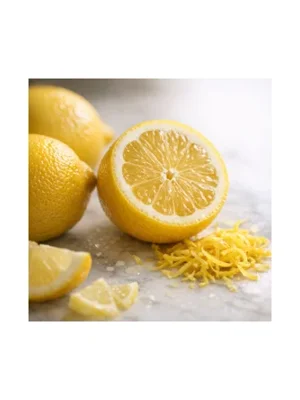 Lemon
26%
vs
31%
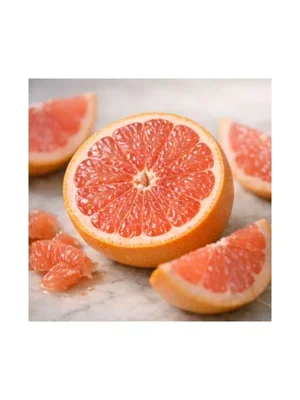 Grapefruit
26%
vs
31%
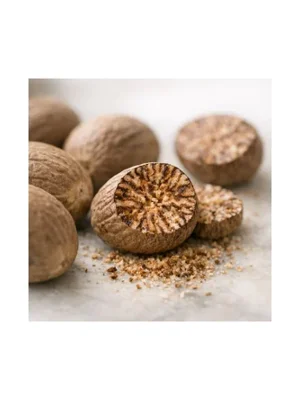 Nutmeg
24%
vs
29%
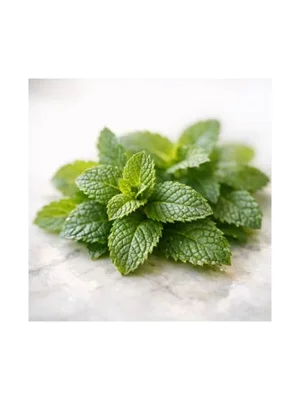 Mint
24%
vs
21%
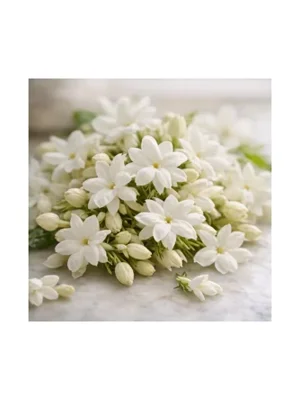 Jasmine
22%
vs
32%
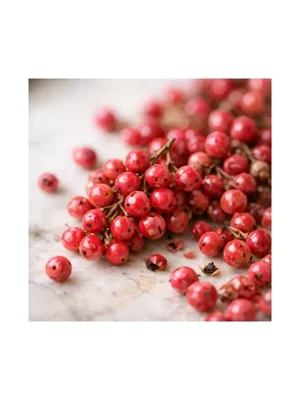 Pink Pepper
22%
vs
15%
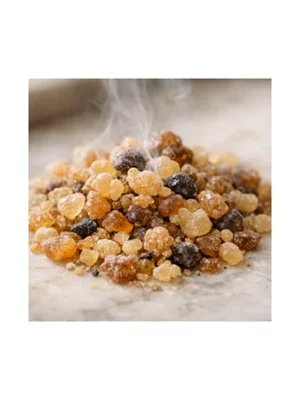 Incense
16%
vs
15%
 Cedar
14%
vs
12%
 Vetiver
14%
vs
12%
 Sandalwood
14%
vs
15%
 Patchouli
13%
vs
12%
 Labdanum
12%
vs
12%
 Musk
12%
vs
18%
 Iso E Super
23%
Ginger
29%
vs
38%
Nutmeg
24%
vs
29%
Jasmine
22%
vs
32%
Iso E Super
23%
Incense
16%
vs
15%
Cedar
14%
vs
12%
Vetiver
14%
vs
12%
Sandalwood
14%
vs
15%
Patchouli
13%
vs
12%
Labdanum
12%
vs
12%
Musk
12%
vs
18%
Note weights are our estimate from each note's place in the pyramid, not the share of the formula. Brands do not publish formulations.
Performance
Season and Occasion Fit
Seasons
The bright citrus and aromatic facets make this a natural fit for spring and summer, while the woody-resinous base gives it enough depth for fall. In winter it may feel too airy or crisp for those seeking warmth.
Occasions
With moderate projection and universally appealing freshness, it's perfect for office and casual wear. Polished enough for dates and formal events, but not ideal for sports due to the woody-resinous drydown.
Seasons
A warm-weather pick - at its best in summer and spring.
Occasions
Given the poor longevity and generally synthetic, unpleasant smell reported by many, this isn't suitable for most occasions. While 'blue' fragrances typically offer versatility, this particular scent's execution limits its wearability to very casual, non-committal settings where it might quickly fade or be unnoticed.
Similarity Breakdown
Our estimate of how alike these two fragrances smell, calculated from their published notes. It is a position on our scale, not a measured percentage of shared smell.
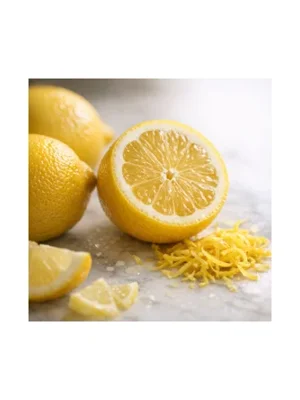
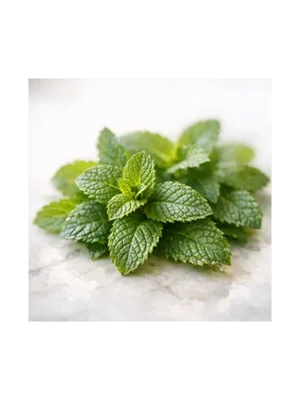
Every one of its 14 notes is in the original, including Pink Pepper, Grapefruit, Lemon
Without iso e super
Where to buy
Pick a size. The two cheapest offers, then the rest.


Prices before sales tax, which the shop adds at checkout.
ScentVerdict earns a commission from purchases - this doesn't affect our verdicts.