

Is Dossier Woody Oakmoss a dupe of Chanel Coco Mademoiselle?









 Coco Mademoiselle EDP
| EDP | Concentration | EDP |
| F | Gender | F |
| 2001 | Year | - |
| $$ | Price Tier | $ |
 Woody Oakmoss EDP
Coco Mademoiselle and Woody Oakmoss share a woody-patchouli base, but diverge significantly in overall profile. Coco Mademoiselle emphasizes bright citrus and floral elegance, creating a sparkling, feminine aura with a hefty price tag. Woody Oakmoss leans into a grounded, unisex woody experience, with a stronger oakmoss presence and a budget-friendly price. If you want a bold designer fragrance with a touch of sweetness and floral notes, go with Coco Mademoiselle. If you prefer a more subdued, earthy, and versatile scent, Woody Oakmoss is the winner.
 →
→
Where they differ
Biggest gaps first. The bolder side leads.
ScentArt
How it unfolds
Notes
- Coco Mademoiselle
- Woody Oakmoss
- in both
Tap a note to light it in both. A+B means both have it


Which Should You Buy?
- You want a classic, recognizable designer fragrance.
- You prefer a brighter, more floral and citrusy scent.
- You enjoy a touch of sweetness in your perfume.
- You want a fragrance with strong projection and longevity.
- You prefer a more unisex and earthy fragrance.
- You want a more affordable alternative.
- You like oakmoss as a prominent note.
- You desire a subtle, everyday fragrance.
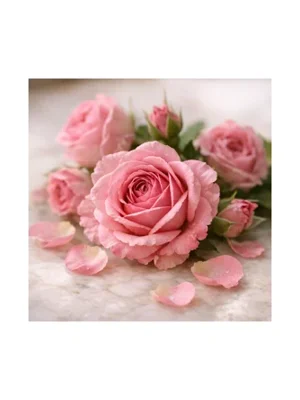
Poised, sensual and modern, a floral-patchouli that feels dressed up. Orange and bergamot sparkle, rose and jasmine make the heart, and patchouli, vanilla and white musk close it.
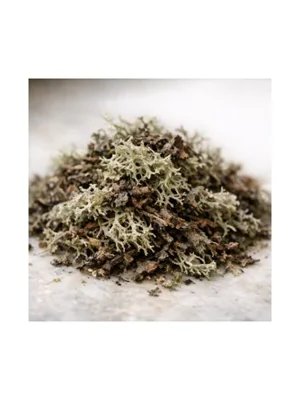
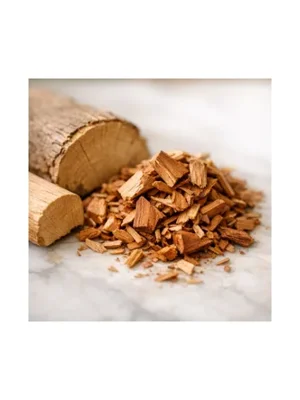
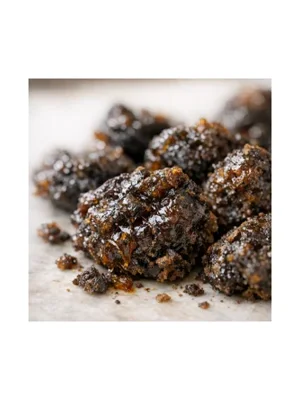
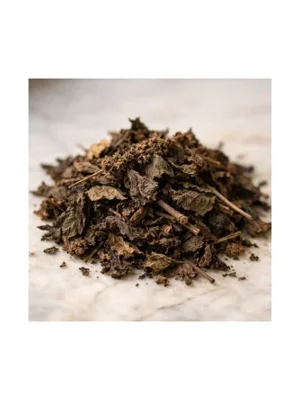
Earthy, polished and woody, a chypre for autumn days and dinners. Patchouli and cedar anchor the middle, and oakmoss, vetiver and labdanum bring mossy depth and warmth.
Scent Profile
How They Wear
Mood
Notes
Top Notes
Top Notes
Heart Notes
Base Notes
 Patchouli
18%
vs
12%
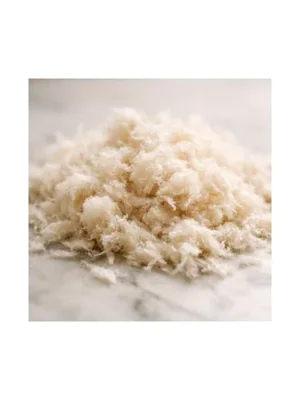 Musk
8%
vs
8%
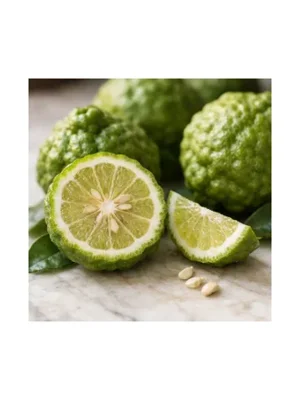 Bergamot
7%
vs
6%
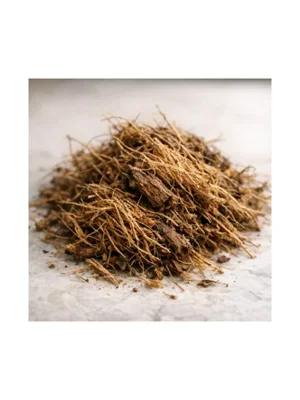 Vetiver
6%
vs
14%
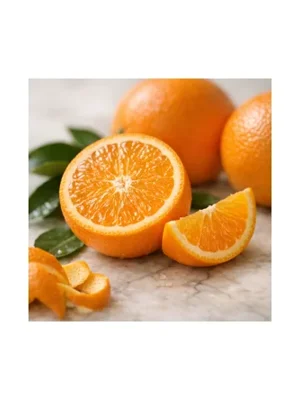 Orange
11% share of the perfume
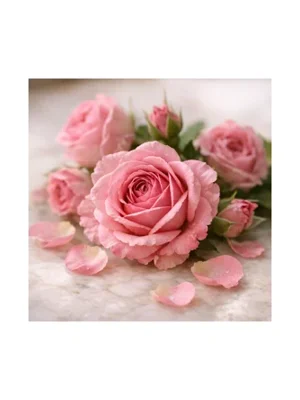 Rose
9% share of the perfume
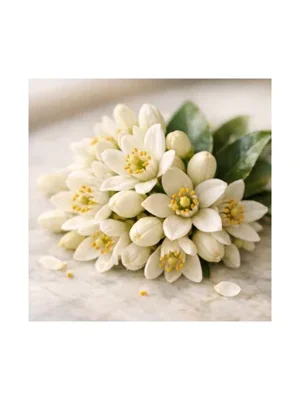 Orange Blossom
9% share of the perfume
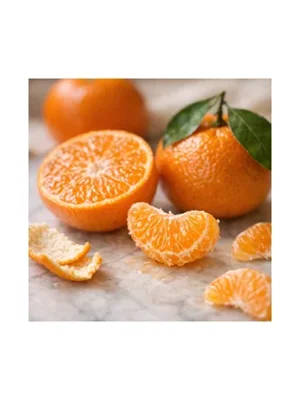 Mandarin
7% share of the perfume
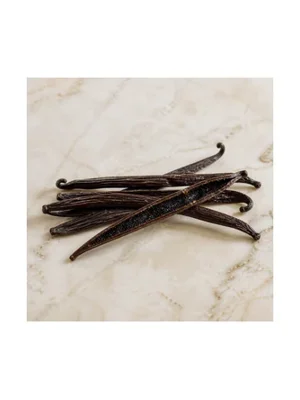 Vanilla
7% share of the perfume
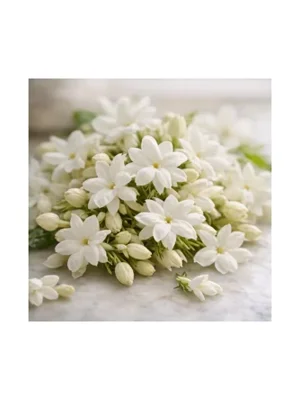 Jasmine
7% share of the perfume
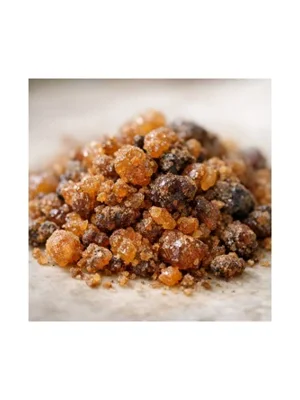 Opoponax
4% share of the perfume
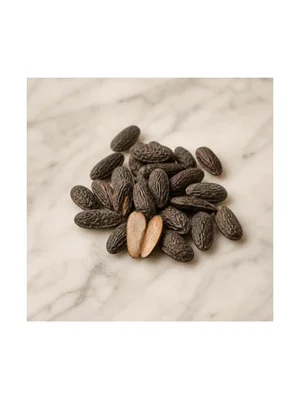 Tonka Bean
2% share of the perfume
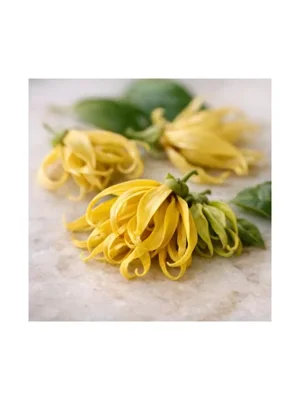 Ylang-Ylang
2% share of the perfume
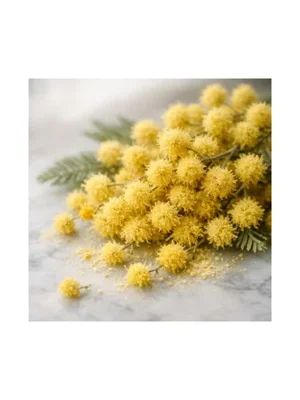 Mimosa
1% share of the perfume
Bergamot
7%
vs
6%
Orange
11% share of the perfume
Orange Blossom
9% share of the perfume
Mandarin
7% share of the perfume
Note weights are our estimate from each note's place in the pyramid, not the share of the formula. Brands do not publish formulations.
Performance
Season and Occasion Fit
Seasons
Orange and white florals are bright in spring, and the patchouli and vanilla make it comfortable through autumn. Peak summer and midwinter are the weak spots.
Occasions
Poised and well mannered, it is at home in the office, at dinner and on dates. It is too rich for sport.
Seasons
Oakmoss, cedar and labdanum feel earthy and warm, so autumn is the best fit, with spring a comfortable second. Summer heat mutes it.
Occasions
Earthy but tidy, it works for dates, the office and relaxed evenings. A formal event is possible, but it is more everyday than dressy.
Similarity Breakdown
Our estimate of how alike these two fragrances smell, calculated from their published notes. It is a position on our scale, not a measured percentage of shared smell.
Shares 4 of its 8 notes, including Bergamot, Patchouli, Musk
Adds cedar and labdanum, drops jasmine and mandarin
Where to buy
Pick a size. The two cheapest offers, then the rest.





Prices before sales tax, which the shop adds at checkout.
ScentVerdict earns a commission from purchases - this doesn't affect our verdicts.