

Is Fragrance World Tragedy a dupe of Penhaligon's The Tragedy of Lord George?

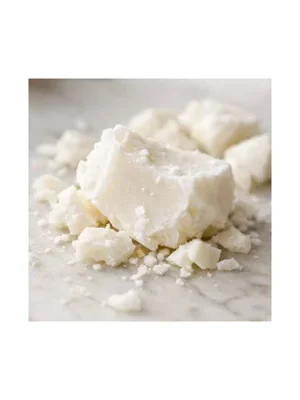
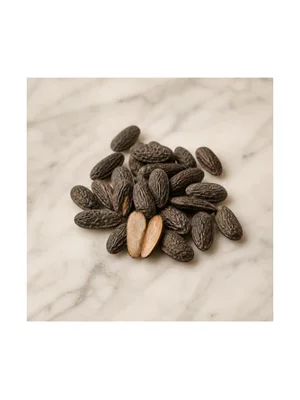
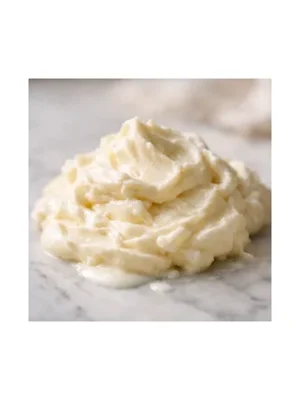


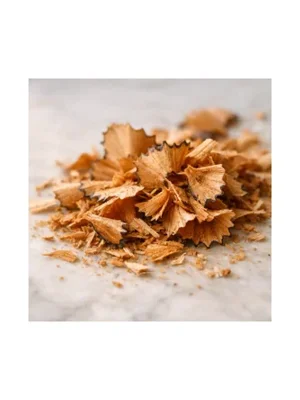


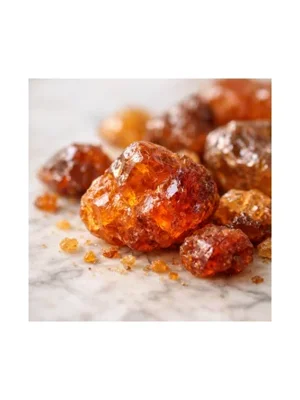
 The Tragedy of Lord George EDP
| EDP | Concentration | EDP |
| M | Gender | M |
| 2016 | Year | 2025 |
| $$ | Price Tier | $ |
 Tragedy EDP
Fragrance World's Tragedy is a budget-friendly attempt to capture the essence of Penhaligon's The Tragedy of Lord George. The key difference lies in the execution: Lord George boasts a refined blend of rum, woods, and tonka, creating a luxurious and well-rounded experience. Tragedy, however, often misses those gourmand notes, leaning heavily into a woody profile that some find dusty or lacking in nuance. If you're seeking the original's depth and complexity, Lord George is the clear choice. If you want a similar vibe on a tight budget and don't mind a less refined experience, Tragedy might suffice.

Where they differ
Biggest gaps first. The bolder side leads.
ScentArt
How it unfolds
Notes
- The Tragedy of Lord George
- Tragedy
- in both
Tap a note to light it in both. A+B means both have it


Which Should You Buy?
- You want the full gourmand experience.
- You appreciate high-quality ingredients and blending.
- You seek a long-lasting and projecting fragrance.
- You want a more complex and nuanced scent.
- You are on a very limited budget.
- You enjoy a woody scent profile.
- You want a mature masculine fragrance.
- You want to test the waters before committing to the original.
A lush, aristocratic blend of rum, creamy woods, and sweet tonka - Lord George projects vintage grandeur with a modern twist. It commands respect, but never shouts.
Fragrance World's take on Penhaligon's The Tragedy of Lord George: brandy-soaked vanilla and dark chocolate on a tonka and amber base. Sweet, boozy and brooding, made for cold evenings and dates.
Scent Profile
How They Wear
Mood
Notes
Top Notes
Top Notes
Heart Notes
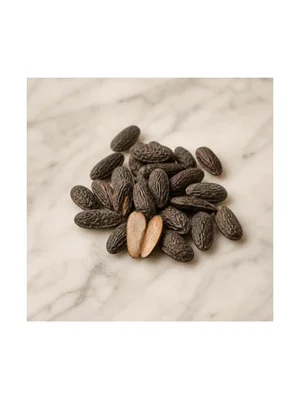 Tonka Bean
19% share of the perfume
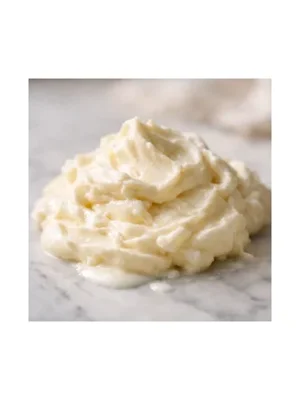 Cream
12% share of the perfume
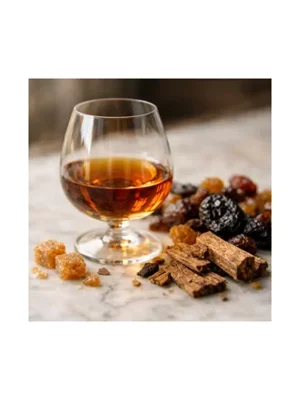
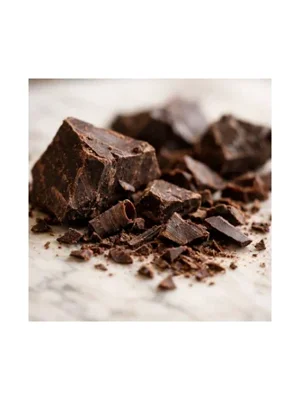
Base Notes
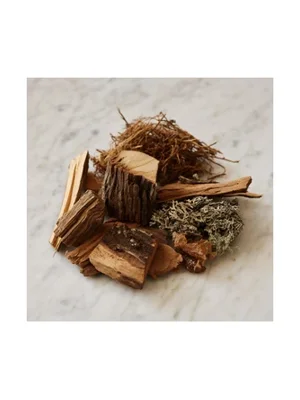 Woody Notes
23% share of the perfume
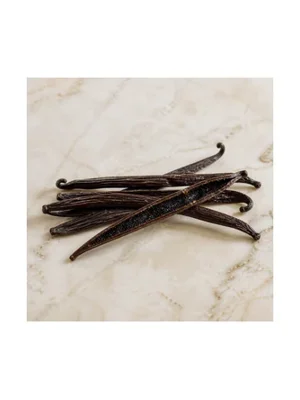 Vanilla
10% share of the perfume
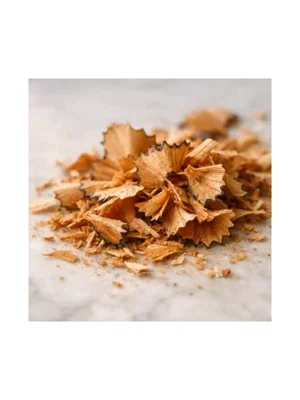 Cedar
9% share of the perfume
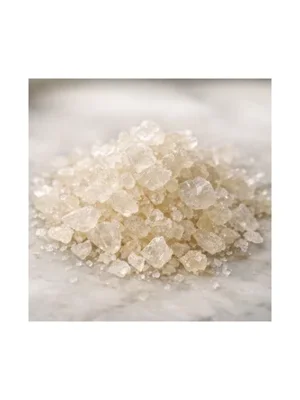 Ambroxan
7% share of the perfume
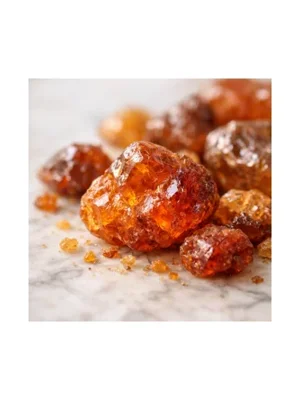 Tonka Bean
18%
vs
22%
Vanilla
10%
vs
16%
Woody Notes
23% share of the perfume
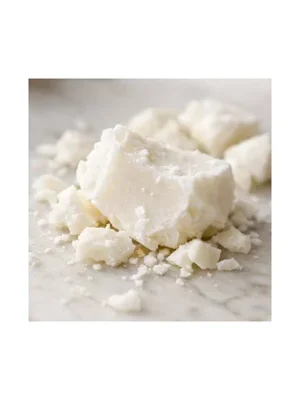 Soap
20% share of the perfume
Cream
12% share of the perfume
Cedar
9% share of the perfume
Ambroxan
7% share of the perfume
Soap
20% share of the perfume
Tonka Bean
19% share of the perfume
Cream
12% share of the perfume
Woody Notes
23% share of the perfume
Vanilla
10% share of the perfume
Cedar
9% share of the perfume
Ambroxan
7% share of the perfume
Note weights are our estimate from each note's place in the pyramid, not the share of the formula. Brands do not publish formulations.
Performance
Season and Occasion Fit
Seasons
Its warm spicy, boozy, and sweet woody character is best for cool to cold weather. Autumn and winter enhance its richness, while summer heat could make it cloying.
Occasions
The opulent, sophisticated sillage and boozy warmth make it ideal for formal evenings and confident date wear, but it's a bit too rich for sporty or most office settings.
Seasons
Brandy, chocolate and amber are cold-weather smells: autumn and winter, with a cool spring night as the outer limit.
Occasions
Dark and sweet, it suits date nights and dressed-up evenings. Light lasting power and a heavy sweetness make it a poor fit for the office.
Similarity Breakdown
Our estimate of how alike these two fragrances smell, calculated from their published notes. It is a position on our scale, not a measured percentage of shared smell.
Shares 2 of its 5 notes, including Tonka Bean, Vanilla
Adds amber and brandy, drops ambroxan and cedar
Where to buy
Pick a size. The two cheapest offers, then the rest.

Prices before sales tax, which the shop adds at checkout.
ScentVerdict earns a commission from purchases - this doesn't affect our verdicts.