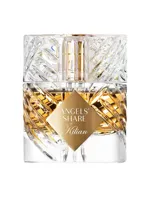
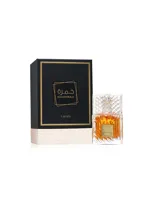
Is Lattafa Khamrah a dupe of Kilian Angels' Share?








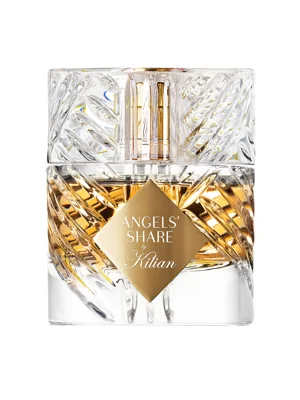 Angels' Share EDP
| EDP | Concentration | EDP |
| U | Gender | U |
| 2020 | Year | 2022 |
| $$$$ | Price Tier | $ |
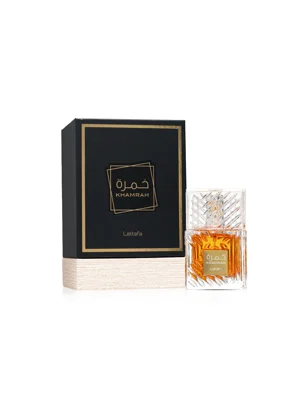 Khamrah EDP
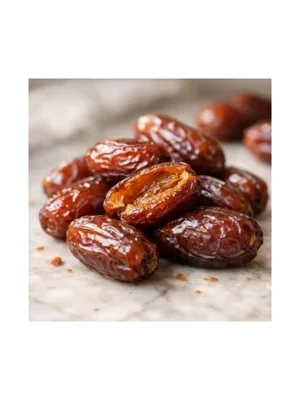
Khamrah and Angels' Share are both decadent, boozy gourmands, but Khamrah leans bolder and more overtly sweet, with pronounced date, praline, and Middle Eastern spice. Angels' Share is smoother, richer, and more refined, emphasizing oak-aged cognac and caramelized warmth for a luxurious feel. Khamrah delivers a powerhouse projection at a fraction of the price, but it trades away some of the sophistication and nuanced blending that makes Angels' Share a niche masterpiece. Choose Angels' Share for an elegant, polished finish and true cognac character; pick Khamrah for an affordable, attention-grabbing scent with a playful, syrupy twist. Both excel in cool weather, but each brings a distinct personality to the gourmand game.
 →
Where they differ
Biggest gaps first. The bolder side leads.
ScentArt
How it unfolds
Notes
- Angels' Share
- Khamrah
- in both
Tap a note to light it in both. A+B means both have it


Which Should You Buy?
- You want a refined, niche-quality cinnamon-cognac scent.
- Luxurious oak and caramel notes appeal to you.
- You prefer smooth, well-blended warmth over bold sweetness.
- You want a more subtle, elegant projection.
- You want maximum sweetness and sillage for less.
- Date, praline, and tonka intrigue you.
- You love big, room-filling scents.
- You're seeking a great value alternative to niche gourmands.
Cognac and oak bring a barrel-warm opening, followed by cinnamon and tonka, then praline, vanilla and sandalwood in a rounded gourmand base.
Cinnamon, nutmeg and bergamot lead into dates and praline with tuberose and Mahonial. Vanilla, tonka, myrrh and woods give the base a warm, balsamic depth.
Scent Profile
How They Wear
Mood
Notes
Top Notes
Heart Notes
Base Notes
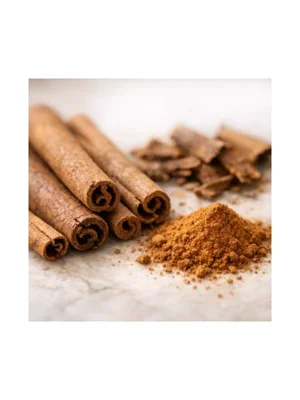 Cinnamon
16%
vs
17%
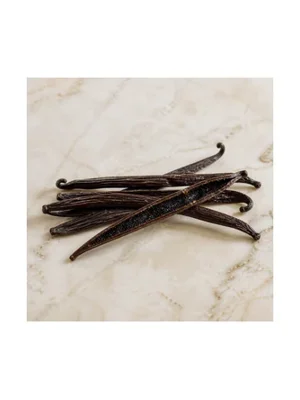 Vanilla
14%
vs
10%
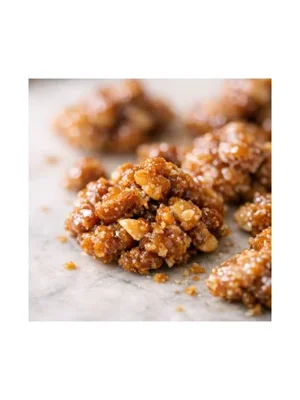 Praline
12%
vs
12%
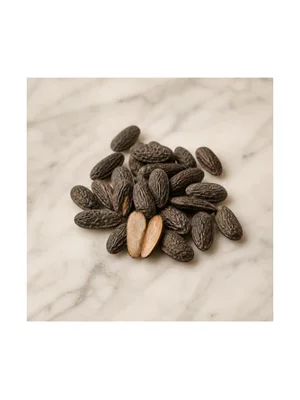
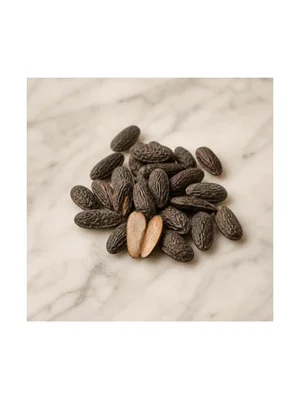 Tonka Bean
12%
vs
8%
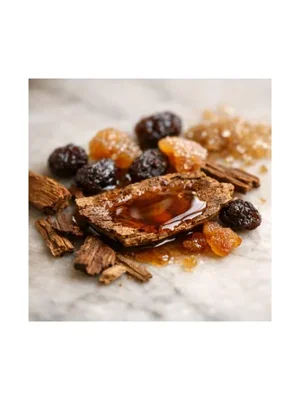 Cognac
19% share of the perfume
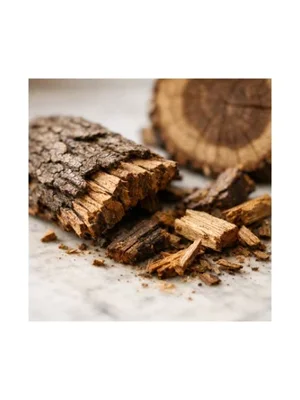
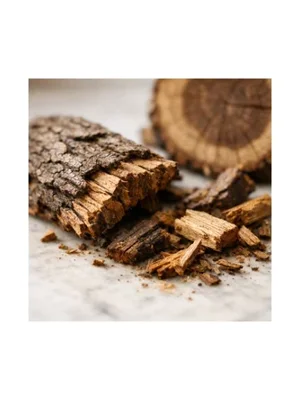 Oak
11% share of the perfume
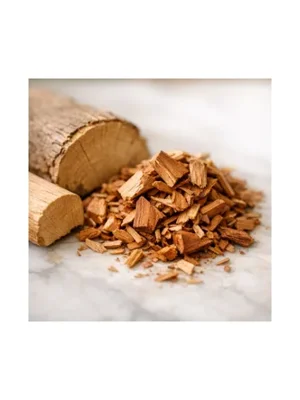 Sandalwood
9% share of the perfume
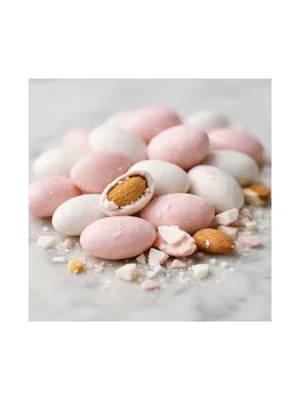 Dragée
4% share of the perfume
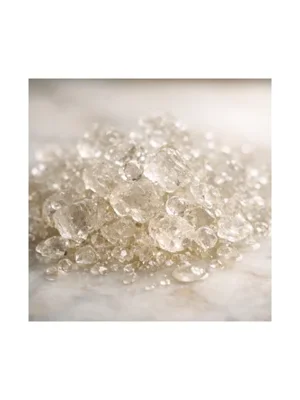 Hedione
1% share of the perfume
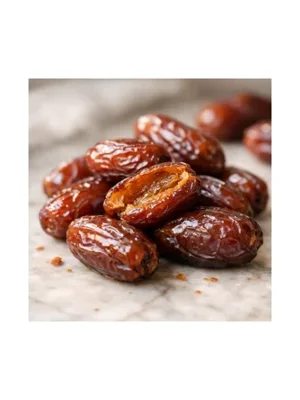 Date
14% share of the perfume
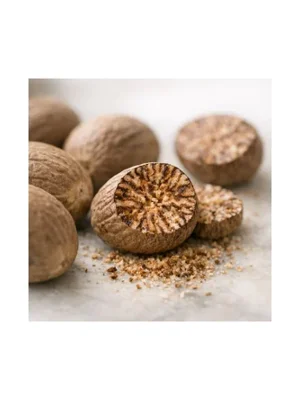 Nutmeg
11% share of the perfume
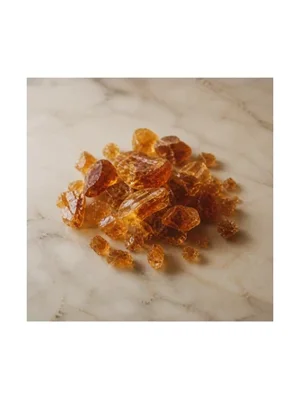 Amberwood
6% share of the perfume
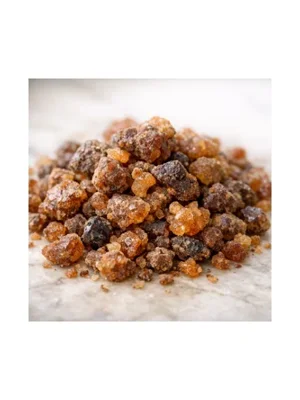
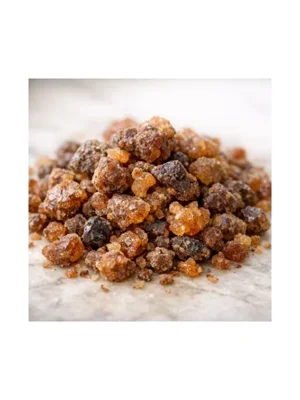 Myrrh
6% share of the perfume
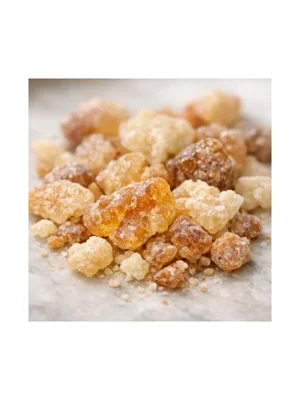 Benzoin
5% share of the perfume
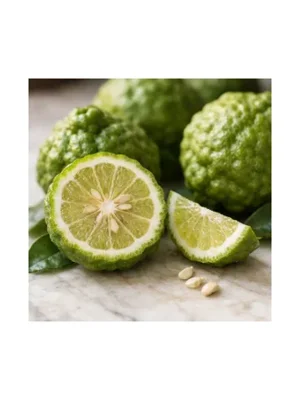 Bergamot
5% share of the perfume
 Mahonial
3% share of the perfume
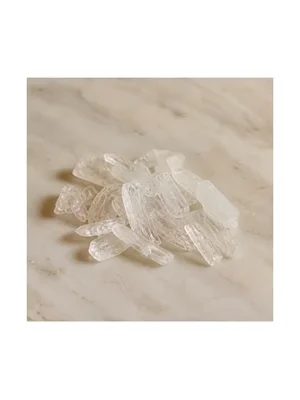 Akigalawood
2% share of the perfume
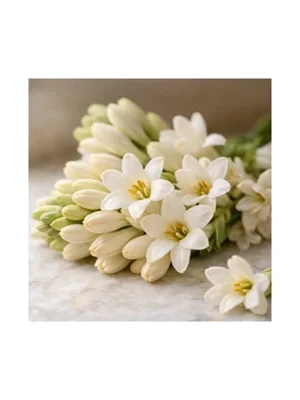 Tuberose
1% share of the perfume
Cognac
19% share of the perfume
Vanilla
14%
vs
10%
Praline
13% share of the perfume
Sandalwood
9% share of the perfume
Dragée
4% share of the perfume
Note weights are our estimate from each note's place in the pyramid, not the share of the formula. Brands do not publish formulations.
Performance
Season and Occasion Fit
Seasons
Winter is the strongest match, with autumn close behind. Cognac, cinnamon and the sweet base give spring a moderate fit, while summer is much weaker.
Occasions
Cognac, spice and the sweet base give the scent its clearest fit for a date and a moderate fit for formal settings. Casual and office settings are less aligned, with sport the weakest match.
Seasons
Citrus and spice bring some brightness, while dates, praline, tonka and resinous woods give the blend more weight in fall and winter than spring or summer.
Occasions
The dense date and praline heart over vanilla, tonka and resin aligns most with date and formal values; the sweetness and woody depth have less connection to office or sport.
Similarity Breakdown
Our estimate of how alike these two fragrances smell, calculated from their published notes. It is a position on our scale, not a measured percentage of shared smell.
Shares 4 of its 13 notes, including Vanilla, Tonka Bean, Praline
Adds akigalawood and amberwood, drops cognac and dragée
Where to buy
Pick a size. The two cheapest offers, then the rest.








Other (1)
Prices before sales tax, which the shop adds at checkout.
ScentVerdict earns a commission from purchases - this doesn't affect our verdicts.